63° and Patchy rain nearby
Image
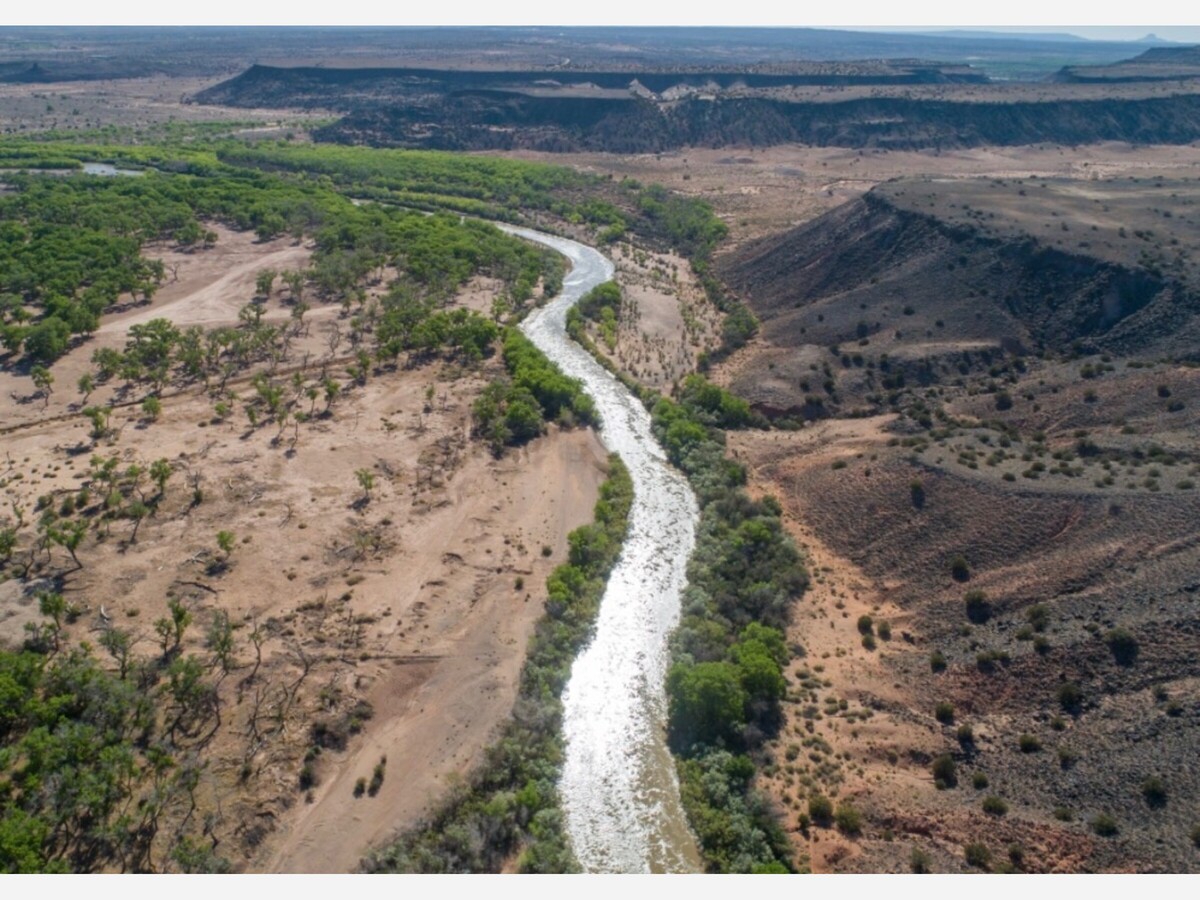



Santa Fe, N.M. — The U.S. Supreme Court on May 26, 2026, approved a long-negotiated settlement in the Texas v. New Mexico water dispute, bringing an end to over a decade of litigation over the Rio Grande and promising more predictable water deliveries amid ongoing drought conditions in the region.
The settlement, which the Court entered as a final decree, requires New Mexico to curb groundwater pumping in the Lower Rio Grande Basin by 18,200 acre-feet (roughly 5.9 billion gallons) over the next 10 years — with half of those reductions targeted in the first five years. This represents about 5-7% of current groundwater use in the area. Much of the reduction is expected to come from retiring water rights on irrigated farmland, particularly in southern New Mexico.
Background on the Dispute
Texas sued New Mexico in 2013, arguing that increased groundwater pumping — especially for pecan orchards and chile crops in southern New Mexico — was intercepting water that should flow downstream under the 1938 Rio Grande Compact. As surface flows diminished due to drought, hotter temperatures, and overuse, farmers in New Mexico turned more to wells, reducing deliveries to Texas irrigation districts and the El Paso area.
The settlement establishes a detailed accounting system for water sharing, allowing New Mexico some flexibility with credits and debits during wet and dry years while ensuring Texas receives its allocated share. It shifts focus from costly litigation to on-the-ground solutions like efficient irrigation, fallowing programs, brackish water development, and stormwater capture.
Impacts on the El Paso Area
For El Paso and surrounding Texas communities, the ruling is largely positive. It provides greater certainty that water from the Rio Grande Project will reach downstream users, helping sustain municipal supplies, agriculture, and the regional economy. El Paso has long faced risks from reduced river flows, with stretches of the Rio Grande often drying up. The settlement helps protect against further shortfalls in deliveries.
Local officials and farmers in the El Paso Valley can now plan with more confidence, potentially stabilizing water for thousands of acres of crops and supporting population growth in this binational metro area. However, broader drought challenges remain, as the river continues to face pressure from climate change and upstream demands.
Impacts on Alamogordo and Otero County / Southern New Mexico
Alamogordo and the broader Otero County area, while not in the core Lower Rio Grande irrigation districts (which are near Las Cruces), are part of the interconnected Rio Grande basin ecosystem. Impacts here will likely be indirect but notable:
• Agriculture and Water Users: Farmers and ranchers in the region may face pressure if water markets tighten or if state efforts to buy and retire rights expand. Southern New Mexico agriculture, a key economic driver, will see some land fallowed. This could reduce local crop production (e.g., pecans, chile) but comes with federal funding support — New Mexico has secured over $40 million to aid transitions.
• Municipal and Economic Stability: Alamogordo relies on groundwater and regional water sources. The settlement provides long-term framework certainty, avoiding potential billions in liabilities for New Mexico taxpayers if the case had gone against the state. New Mexico Governor Michelle Lujan Grisham called it a “big win,” noting it allows farmers and communities to plan for the future.
• Drought Resilience: The agreement encourages conservation and new water sources, which could benefit arid areas like Alamogordo. However, with the Rio Grande already seeing dry stretches as far north as Albuquerque, local water managers will need to continue emphasizing efficiency.
New Mexico officials, including the Interstate Stream Commission, are holding listening sessions and expect initial water rights acquisitions to begin later in 2026.
Looking Ahead
While the legal battle is over, the physical challenges of a shrinking Rio Grande persist. Experts warn that unsustainable use threatens water security for millions across the basin. The settlement redirects resources toward practical solutions rather than courtroom fights, but sustained drought, population growth, and climate pressures mean ongoing vigilance is required for both New Mexico and Texas communities.
This resolution marks a significant step toward collaborative management of a vital shared resource in the Southwest. Local leaders in Alamogordo and El Paso will be watching closely as implementation begins.

all in all, a fair and equitable solution...and intelligent to focus on sensible answers rather than continued litigation. now, if we can keep monster data centers away from the water and electrical markets, the little folks might be ahead - for a change.


Patchy rain nearby, with a high of 78 and low of 56 degrees. Don't forget your umbrella! Light rain shower in the morning, thundery outbreaks in nearby in the afternoon, light rain shower for the evening, patchy rain nearby overnight.


Love your shop in Las Cruces! Haven’t been to the one here in Alamo yet.
Hi Troy,
What do you think of the manga Jaadugar: A Witch's Life in Mongol (Tomato Soup). It's now an anime from Saru Science/Crunchyroll.
Enjoy!



Thank you Sheriff!

She lectures her expertise like she was running SpaceX. Home Service Contractors and Darnold Plumbing could get any of those things built in a month. These unqualified people use it to justify their lives. We have to work to pay off their excess spending.
Neither have the proper license try again!
Hey Rube! I think the point is expertise. A 'proper licesne' is always the thinking of those educated by The Machine. Let the free market rule, not the paper pushers.
He did the same thing when he ran against Rachel. He's a pathological liar who just keeps proving it over and over.
he senses trouble....and i smell blood - time to send him to private sector employment - maybe his oil & gas friends can find something for him to do.
Lets ask the editor.
sir, are you not involved in the campaign?