73° and Light rain shower



Image
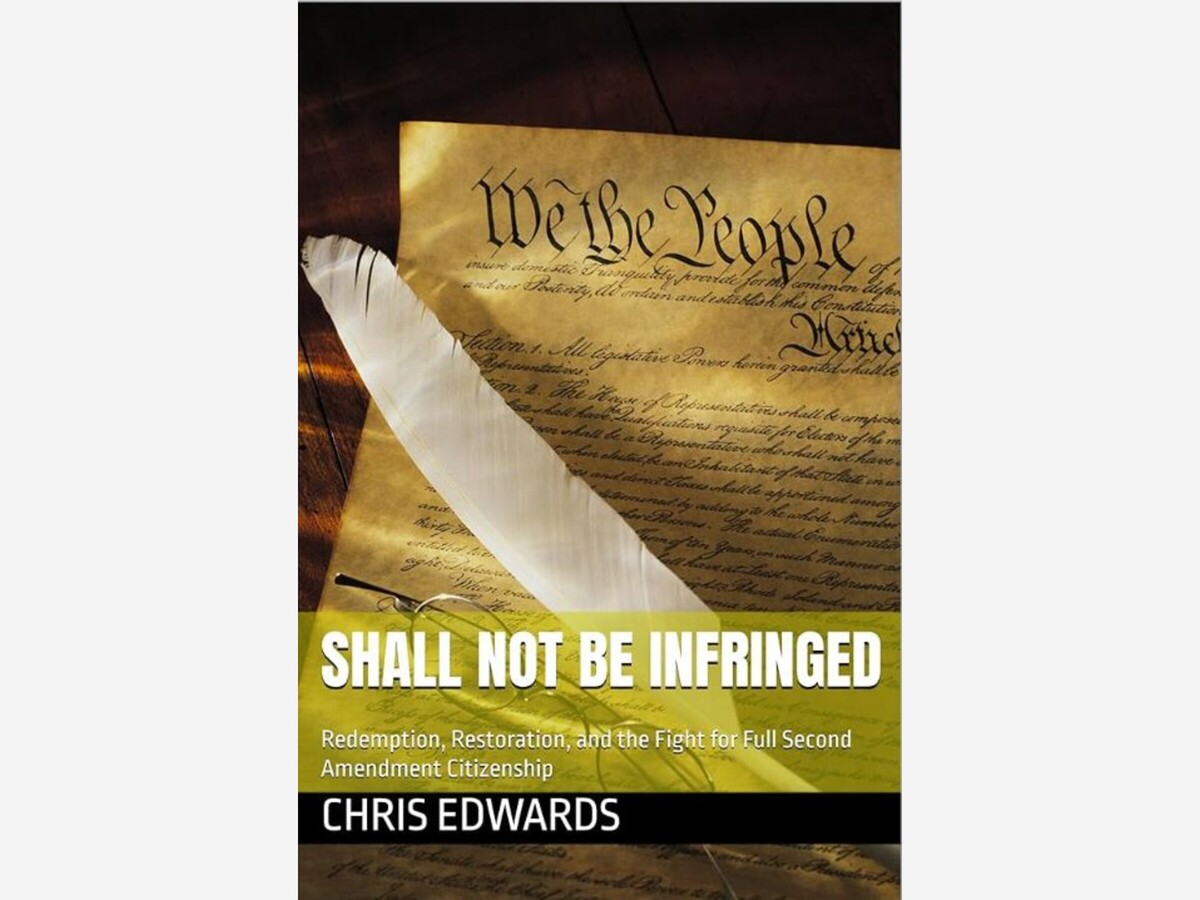
2nd Amendment rights, Shall Not Be Infringed, take a front seat in a new essay supporting a Trump/Bondi Policy Update published by Southern New Mexico author and journalist Chris Edwards - 2nd Life Media AlamogordoTownNews.org
Alamogordo, New Mexico – Local media figure and journalist Chris Edwards has announced the release of his latest book, Shall Not Be Infringed: Redemption, Restoration, and the Fight for Full Second Amendment Citizenship. Available now in paperback, Kindle e-book, and audiobook formats through Amazon and other major retailers, the work blends personal memoir with a detailed constitutional and historical analysis challenging lifetime firearm prohibitions for nonviolent felons.
Edwards, who serves as general manager of KALH Radio (kalhradio.org) and publisher of 2nd Life Media AlamogordoTownNews.org, details his own path to redemption more than 12 years after a federal felony conviction for white-collar offenses including tax-related charges from his earlier career in California. Having relocated to Alamogordo during the COVID-19 pandemic, he has since built a multifaceted career in local media, authored multiple bestselling titles on topics ranging from personal development to Alamogordo sports history, and contributed to successful political efforts—all while navigating the ongoing restrictions imposed by federal law (18 U.S.C. § 922(g)(1)) and New Mexico state statute (§ 30-7-16). These laws bar him from possessing firearms for home defense or hunting, a lifetime federal prohibition and a 10-year state one that he argues disproportionately and unfairly treat rehabilitated, nonviolent offenders as perpetual dangers.
The book delves into the historical underpinnings of gun control, arguing that many measures have roots in discriminatory practices rather than neutral public safety concerns. Edwards examines colonial slave codes that restricted enslaved and free Black individuals from arming themselves, post-Civil War Black Codes designed to control newly emancipated populations, New York's Sullivan Act of 1911 (which critics say targeted immigrants and minorities), Florida's Watson v. Stone decision in 1941 upholding a concealed carry ban with racial implications, and California's Mulford Act of 1967, enacted in response to armed Black Panther patrols.
He critiques the federal Gun Control Act of 1968 for its broad felon disarmament provision and the 1992 congressional decision to defund the relief process under 18 U.S.C. § 925(c), which effectively eliminated a pathway for restoration. Edwards highlights persistent racial disparities, citing U.S. Sentencing Commission FY2023 data showing Black Americans accounting for over 58% of federal § 922(g) convictions while representing only 13% of the U.S. population.
The narrative incorporates recent judicial developments following the Supreme Court's 2022 Bruen decision, which established a text-history-and-tradition test for Second Amendment claims. Edwards discusses key cases including Range v. Attorney General (3d Cir. 2024, involving a nonviolent felon challenging disarmament), United States v. Rahimi (2024, upholding certain domestic violence-related restrictions), and relisted petitions such as Vincent v. Bondi, which test the constitutionality of lifetime bans on rehabilitated individuals.
A significant point of optimism in the book is the 2025 revival of the § 925(c) relief program by Attorney General Pam Bondi under the Trump administration. This marks the first meaningful federal mechanism in over three decades for nonviolent petitioners to seek restoration by demonstrating they pose no ongoing threat to public safety. The Department of Justice has moved forward with proposed rules and a forthcoming web-based application process, balancing rights restoration with public safety priorities.
On the state level, Edwards examines New Mexico's political landscape, including the 2019 Second Amendment sanctuary resolutions in Otero County and Alamogordo that resisted certain state gun laws but failed to address felon prohibitions. He criticizes the 2026 legislative session's emphasis on measures like HB 49 to impose harsher penalties rather than pursue reforms. Edwards proposes practical solutions: automatic restoration for nonviolent felons after 3–5 years of law-abiding conduct, administrative petition systems mirroring the federal § 925(c) model, and bipartisan commissions to investigate disparities and recidivism data.
Framed not as a call for leniency but for constitutional consistency and fidelity to originalist principles, the book asserts that the Second Amendment protects "the people"—including those who have served their sentences and proven rehabilitation. It resonates with themes of rural self-reliance, veteran redemption stories, and equal justice under the law.
Shall Not Be Infringed offers readers an evidence-based argument and a clear roadmap for policy change, appealing to those committed to Second Amendment rights extending beyond the never-convicted.
The book is available now on Amazon in multiple formats. For more information, visit Shall Not Be Infringed : Redemption, Restoration, and the Fight for Full Second Amendment Citizenship - Kindle edition by Edwards, Chris Edwards.
Citations and Sources:


Sunny, with a high of 88 and low of 72 degrees. Sunny during the morning, overcast for the afternoon and evening, light rain shower overnight.

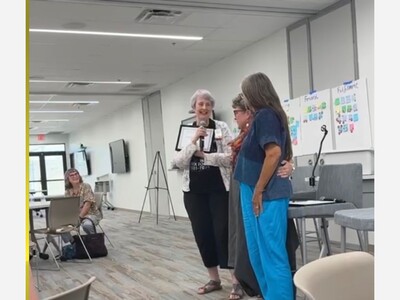

Congrats to Nadia!!!

PNM should give money back to all those they severely overcharged instead of making customers find a way to make payments for PNM's mistakes.
the concept of natural monopolies can exist only under the coverage of completely transparent regulation....thanks to chris and other activists for shining the light into this situation.
So, 1 down 3 to go. Keep slinging until the doodoo sticks?