70° and Light rain
Image




ALAMOGORDO N.M — With an Otero County economic development tax on the November ballot, former Alamogordo City Manager Dr. Stephanie Hernandez used her weekly segment on KALH Radio this week to make a case that is neither for nor against the measure, but about what should come with it: a plan.
“I’m not here to tell anyone how to vote, but I do want to discuss its purpose,” Hernandez said in the commentary, part of her recurring “The Doctor Is In” segment with KALH host Anthony Lucero. “Economic development is a deliberate process.”
Statement on KALHRadio.org - The Dr is In
The county is asking voters to approve a separate one-eighth of one percent tax dedicated to economic development, a local option commonly tied to the state’s Local Economic Development Act, or LEDA. Hernandez, who holds degrees in economics and served as both assistant city manager and city manager for Alamogordo, said there is nothing wrong with wanting to bring industry to Otero County — but that wanting it is only the starting point.
“Vision without a strategy is just a wish,” she said. “We need to identify which industries fit our community, what they need to succeed, and what we’re able to invest in to attract the companies.”
Hernandez pointed to the city’s downtown as an example of the approach she is advocating. She said that as city manager she worked with the state, neighboring communities, business owners and local leadership to identify opportunities, and that economic development depends on collaboration, shared priorities and a common direction.
Downtowns, she said, function as economic hubs that support small businesses, tourism and private investment. When the city’s downtown effort began, she said, many buildings were vacant and dilapidated. “By the time I left, all the properties were rented and renovations underway,” she said. “That is progress and a win for Alamogordo.”
She said the same philosophy guided work on the zoo and the start of an economic plan for the airport and the industrial park: understand what the community has, invest in what it needs, and strategically pursue what it wants.
|
“Having funding available is one thing; having a plan to turn it into meaningful development is another.” — Dr. Stephanie Hernandez, KALH Radio |
Hernandez also revisited a financial decision from her time as assistant city manager, when the city faced a pool nearing the end of its useful life. The challenge, she said, was finding a solution without draining the city’s bonding capacity or raising taxes.
With her city manager’s support, she said, she brought an alternative to the City Commission, and voters ultimately approved reallocating the city’s existing LEDA tax and fund balance toward an indoor pool. Beyond meeting a community need, she said, a year-round aquatic facility could itself support economic development by hosting swim meets, attracting visitors and improving quality of life.
“That decision reflected our priorities, our limited resources, and the long-term needs,” she said.
Turning to the county proposal, Hernandez noted that if the tax is approved, revenues will take time to accumulate before they can fund larger investments. That lag, she argued, is exactly why the planning work — identifying opportunities, building partnerships and setting priorities — should begin now rather than after the money arrives.
She cautioned against viewing economic development as simply landing the next big employer. The work, she said, is about creating the conditions for growth: infrastructure, workforce development, support for existing businesses and building a community people want to live in.
“Economic development doesn’t happen by accident,” she said. “It takes vision and strategy.”
Her closing advice to voters was a single question: “If this tax passes, what’s the plan?”
Watch Dr. Hernandez’s full commentary, “The Doctor Is In — LEDA Tax,” on the KALH Radio YouTube channel: https://youtu.be/eVVv8IMU_hw
Dr. Stephanie Hernandez is a weekly commentator on KALHRadio.org. Commentary segments aired on KALH Radio reflect the views of the speaker.


Patchy rain nearby, with a high of 71 and low of 57 degrees. Patchy rain nearby for the morning, light rain shower in the afternoon, light drizzle for the evening, overcast overnight.


Wow! Sounds like that was some meeting! Everything short of a fistfight in the parking lot.
and the band played on...

Interesting article when read in conjunction with the opinion piece by Rene. However the qualifications he listed did not include the personal relationship with the editor who I understand is involved in the campaign of the candidate. By no means do I support the mud slinging by the blockeads.

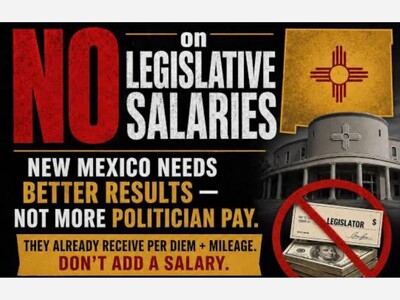
I'm one who supports a salary, but I definitely agree this is such a poorly written bill that I will certainly vote NO.
And thank you, Chris, for such a well researched and documented argument here. I would like to share this.
as always - the devil is in the details - one item i did not see addressed; usually reimbursements (such as per diem) are not subject to federal income tax, is this the case here?
Thank you and please share