Image



A cascade of serious incidents at Lincoln County Detention Center has reignited debate over whether for-profit corporations should be running county jail facilities, raising pressing questions about accountability, oversight, and public safety.
The troubled facility has been beset by a pattern of concerning incidents in recent weeks: a suicide, reports of severe understaffing, an inmate escape, and most damaging of all, allegations of gross misconduct by a compliance officer whose explicit duty was to ensure the jail followed state and federal law.
Yet despite these crises, the for-profit operator running the facility is seeking renewal of its contract with Lincoln County—a development that has sparked outrage among those questioning whether private corrections corporations should hold county jail contracts at all.
A Compliance Officer's Breach of Trust
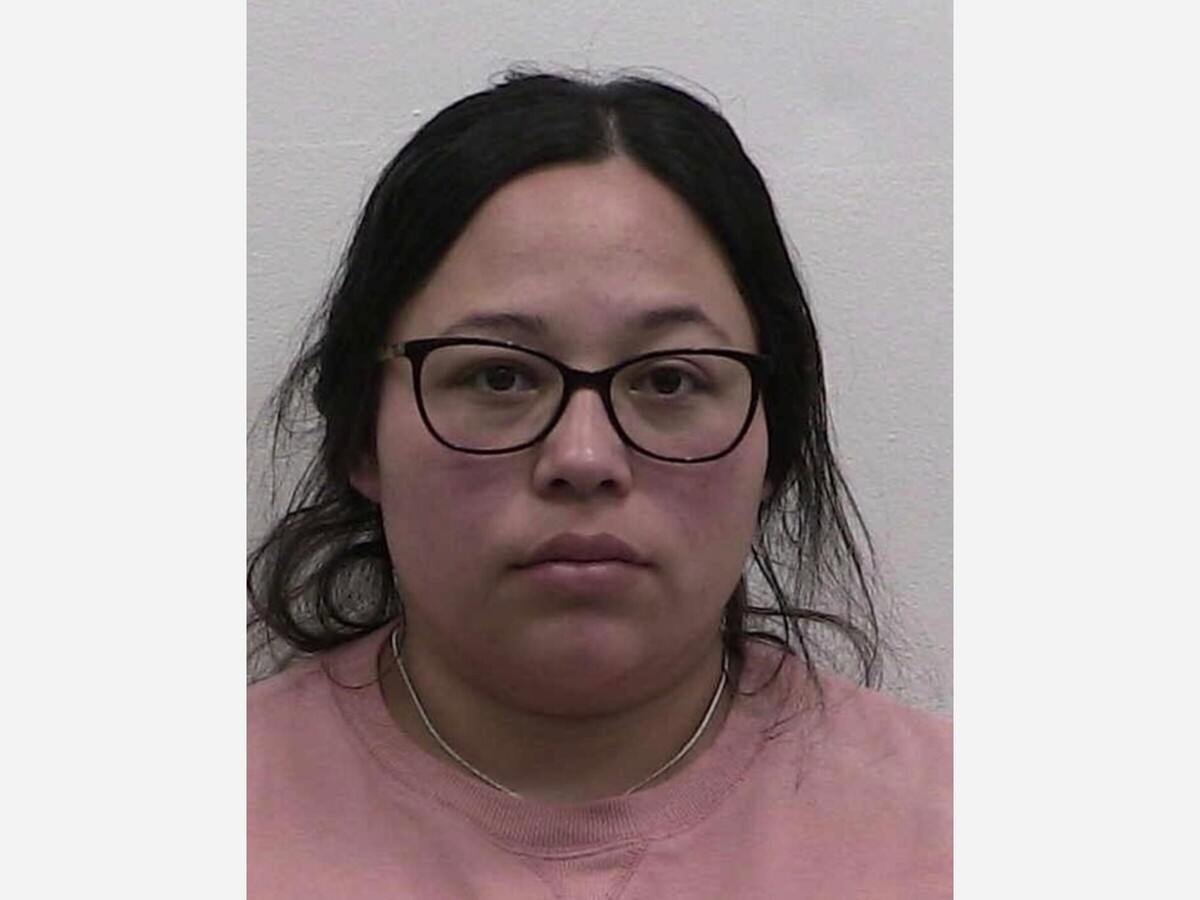
The most egregious case involves Leticia Amaya, 35, the jail's compliance manager—the very person tasked with ensuring the facility adhered to state and federal regulations, including the federal Prison Rape Elimination Act (PREA).
Instead, Amaya allegedly conducted a sexual relationship with an inmate in her custody, becoming pregnant with his child and engaging in sexual encounters in a mop closet and other areas of the jail facility.
Amaya now faces three counts of criminal sexual penetration and one count of tampering with evidence. According to court documents filed in 12th Judicial District Court, the relationship with the inmate occurred roughly between July and September 2025.
While the court records indicate the relationship appeared consensual, PREA explicitly prohibits prison or jail officials from engaging in romantic or sexual relationships with inmates—a prohibition Amaya, as compliance manager, was specifically hired to enforce. The very person responsible for holding the jail accountable to federal law became the subject of federal law violations.
Damning Details Emerge
Investigation by the Lincoln County Sheriff's Office revealed the extent of the breach in court records. When the began investigating after learning of the relationship, leaders listened to recorded jail phone calls between Amaya and the inmate.
"It was obvious that the two were in a relationship, as they used terms of endearment," staff leadership told detectives, according to a criminal complaint filed by Detective Bryce Bailey.
The inmate had been held at the facility between May 2025 and September 2025. According to documents, Amaya and the inmate had sexual encounters multiple times, including in a mop closet, a booking area closet, and a vacant cell he was painting.
When confronted with recordings of jail phone calls in which she told the inmate she was pregnant, Amaya initially denied the relationship and falsely claimed the baby belonged to her ex-husband. She eventually admitted the truth: she was pregnant with the inmate's child, had engaged in a "boyfriend and girlfriend" relationship with him while he was incarcerated, and had violated the very federal law she was hired to protect.
Amaya was charged in February 2025 and is currently free on her own recognizance. A trial is scheduled for December.
Broader Pattern of Failure
The Amaya case is not an isolated incident, but rather the most visible manifestation of a troubling pattern at LCDC.
In recent weeks, the facility has experienced:
A suicide that has raised questions about mental health protocols and staffing levels with pending IPRA requests seeking information and details.
Critical short-staffing that has compromised security and operations
An inmate escape that exposed vulnerabilities in facility management and security procedures
These incidents collectively paint a picture of a facility spinning out of control, with inadequate supervision, insufficient staffing, and a breakdown in the chain of command and institutional accountability.
The Private Prison Debate: Why Should Corporations Run County Jails?
The ongoing crisis at LCDC has renewed a fundamental question: Why are for-profit corporations running county jail facilities instead of locally accountable sheriff's departments?
Unlike public jails operated directly by sheriff's departments, private jail operators have a financial incentive to minimize costs—often at the expense of staffing, training, and oversight. They are accountable to distant corporate headquarters and shareholders, not to the communities they serve.
A county sheriff, by contrast, is directly elected and answers to county voters. A sheriff oversees the jail as part of a broader law enforcement mission, with institutional stability and community accountability built into the governance structure.
"There's an inherent conflict of interest when a corporation profits from incarceration," critics argue. "Cost-cutting directly impacts safety, and when something goes wrong, the corporation can simply decline to renew a contract and move on, leaving the community to pick up the pieces."
Contract Renewal Under a Cloud
Against this backdrop, the private operator's bid for a new contract in Lincoln County raises troubling questions. How can the county justify renewing a contract with a corporation that:
Has lost operational control of the facility, as evidenced by a suicide, an escape, and staffing crises?
Employed a compliance manager who violated the very federal law she was hired to enforce?
Has documented problems with institutional oversight and accountability?
Prioritizes profit margins over adequate staffing and security?
County officials face a critical decision point and citizens must demand answers. Do they continue with a failing private model, or do they consider bringing jail operations back under public control, where accountability runs through elected sheriff leadership rather than corporate management structures?
Questions Without Answers
As Amaya awaits trial, and as LCDC continues to grapple with the fallout from multiple crises, the underlying questions remain unanswered:
Where was the management oversight that should have caught Amaya's relationship before it progressed to pregnancy?
Why was understaffing allowed to reach levels that contributed to a suicide and an escape?
What institutional failures permitted a compliance officer to violate the very federal statutes she was responsible for upholding?
And most fundamentally: Should Lincoln County continue entrusting its jail to a for-profit corporation, or should it demand that a public agency—accountable to voters—manage the facility?
These are not academic questions. They go to the heart of public safety, institutional accountability, and the basic principle that those who deprive people of their liberty must be subject to rigorous public oversight.
As Lincoln County considers the private operator's contract renewal request, the answer to these questions will determine whether the facility can rebuild public trust or whether it continues on its current troubling trajectory.

Dude. Can we at least make something up thats not as ridiculous as the reality of whats going on here?

Patchy rain nearby, with a high of 73 and low of 55 degrees. Overcast in the morning, thundery outbreaks in nearby for the afternoon, clear during the evening, patchy rain nearby overnight.


Love your shop in Las Cruces! Haven’t been to the one here in Alamo yet.
Hi Troy,
What do you think of the manga Jaadugar: A Witch's Life in Mongol (Tomato Soup). It's now an anime from Saru Science/Crunchyroll.
Enjoy!



Thank you Sheriff!