
 77° and Overcast
Image
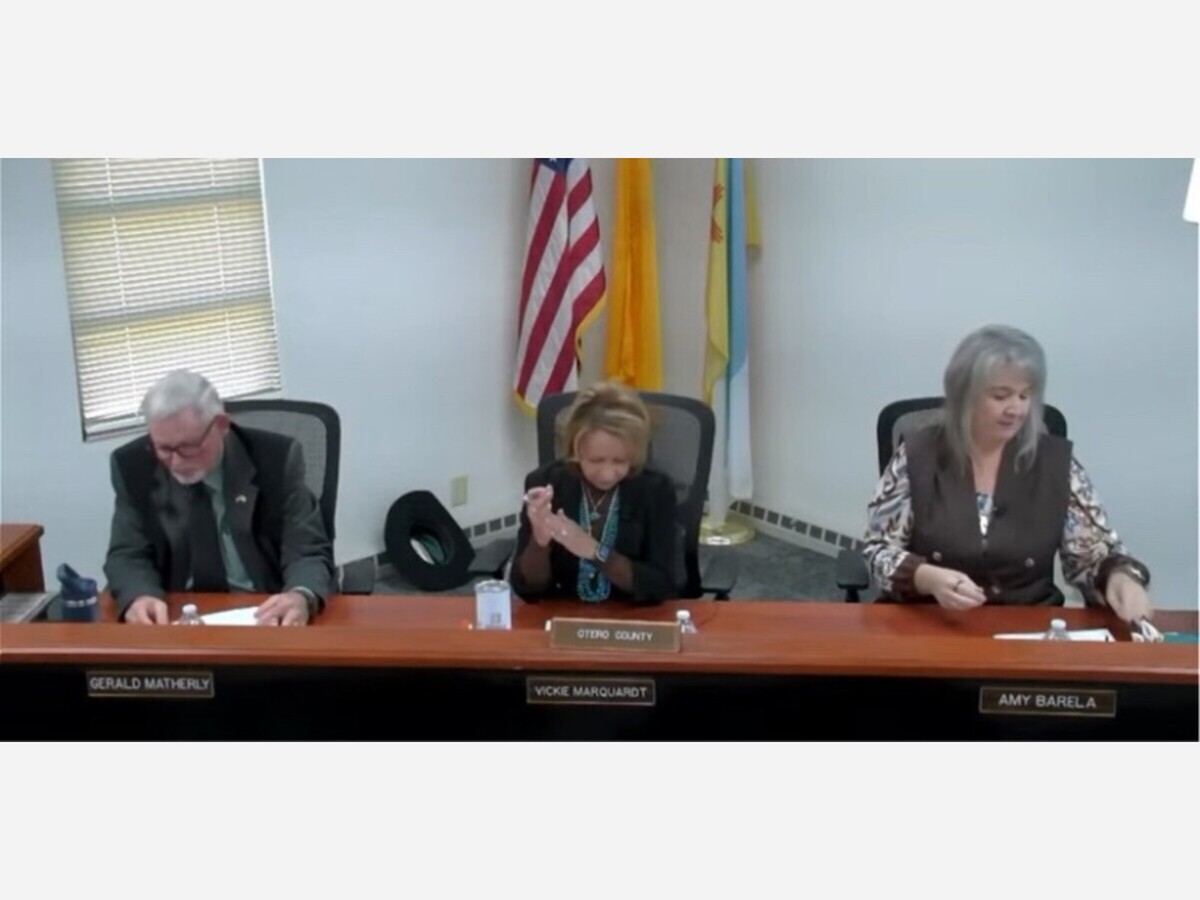
Otero County Commission Meeting Recap: April 9, 2026 – Strong Public Safety Focus Amid Infrastructure, Revenue Challenges, and Community Needs - 2nd Life Media



The Otero County Board of Commissioners held its regular meeting on Thursday, April 9, 2026, at the Commission Chambers in Alamogordo. Commissioners received comprehensive reports from county departments, approved several administrative actions, and heard from citizens on topics ranging from wildfire mitigation to homelessness support and property maintenance. The session highlighted ongoing efforts to bolster law enforcement, emergency response, and infrastructure while addressing fiscal pressures and environmental concerns.
Law Enforcement and Emergency Communications Remain Busy
Sheriff David Black presented a detailed March 2026 activity report for the Otero County Sheriff’s Office. Deputies handled 2,084 calls for service, completed 258 investigative reports, investigated 51 traffic crashes, made 86 arrests, and served 3 warrants. Officers issued 178 traffic citations and 338 subpoenas.
Calls were concentrated in certain areas, with Chaparral seeing the highest volume at 640 calls, 71 reports, 17 arrests, and 79 animal calls. The Narcotics Division executed 8 search warrants, resulting in 30 arrests and the apprehension of 15 fugitives. They seized narcotics valued at $63,737 in March (part of $305,669 for Q1 2026), including methamphetamine, fentanyl, prescription pills, and Suboxone strips.
The Canine Unit conducted 4 deployments, leading to seizures of cash, firearms, vehicles, and additional narcotics. Courthouse security screened 5,874 entrants, held 6 prisoners, and managed security for 20 trials/hearings. A new real-time notification system for law enforcement alerts was recently installed.
The Sheriff’s Office also participated in community outreach, including career day presentations at local elementary schools, and advanced training for deputies. One academy student achieved a standout 93.08 GPA. Equipment needs include seven Tahoes and two trucks, with capital outlay funding pending; two Tahoes are currently being outfitted.
Telecommunications Director Robert Noreen reported over 8,500 calls entered in March (nearly 11,000 total), including more than 7,000 police, 1,000 medical, and 600 fire-related. The average 911 answer time stood at 4.5 seconds, with the abandonment rate dropping to 3.8%. Staffing includes 10 fully trained dispatchers and 6 in training. Noreen noted a rise in automatic “iPhone crash” alerts triggered by phone sensors.
Emergency Services, Roads, and Forestry Updates
Emergency Services representatives Matt Clark and Cody Marshall reported 5 solid waste complaints, 3 illegal dumping cases, 10 fire calls, and 7 EMS calls in March. Staff completed 4 daycare and 1 commercial structure inspection, with 11 active court cases. Volunteers logged 274 responses, including 14 fires, 230 medical, and 7 hazardous incidents.
Ongoing work includes finalizing the Community Wildlife Protection Plan, with the Hazard Mitigation Plan and Emergency Operations Plan targeted for June-July completion. Plans are advancing for emergency alert signage at Mayhill RV Park and integration of the Curtis Dam sensor system with the “Genesis Protect” app for automated flood warnings.
County Road Department head Tom Fuller detailed progress on 2026 and 2027 road projects, including widening, culvert replacements, and patching. Collaboration with the Forest Service on base improvements continues, alongside tree thinning on 16 Springs Road. Flood recovery efforts in the Mesa and Bent areas involve ongoing FEMA coordination, though challenges persist with drainage and reduced culvert capacity. Vegetation management near Air Force property and culvert cleaning ahead of the rainy season were also discussed.
Lincoln National Forest representative Mark Finnegas reported fire restrictions in place since March 27 due to drought and temperatures 10.5°F above average. Prevention teams are engaging businesses and campgrounds, with prescribed burns planned for approximately 200 acres in the 16 Springs area. Timber sales for the South Sacramento Restoration Project are being advertised, and a shared stewardship agreement with the state is expected in July. Cloudcroft thinning work continues, with major efforts slated for fall 2026.
Capital Projects, Corrections, and Assessor’s Office
County Administrator Trent provided updates on several projects: roof replacement at Chan’s building, district courthouse construction (groundbreaking targeted for late June), flood improvements at Twin Forks and Bent (nearing 90% design), Jackrabbits Flat Fire Department water tanks (33,000 gallons, nearing completion), shooting range improvements (awaiting BLM approval), and animal shelter kennel grant options. Oro Vista fire station foundation work is starting, with building delivery set for April 29. A flagpole donation project at a highway intersection is in planning.
Correctional Services Director Nina Sisler reported an average daily jail population of 173 (126 male, 33 female), with 5 juveniles placed out-of-county. Multiple transports occurred to state facilities. Staffing shows 8 full-time and 1 part-time vacancies, with new hires in orientation. Officials anticipate state legislative efforts to address unfunded mandates for prisoner transportation costs.
Assessor James Bowman highlighted the significant revenue impact of expanded veterans’ property tax exemptions. 2025 collections reached $366,055, but 2026 estimates drop to $111,200. A new May 1 application deadline aims to improve timing. Bowman requested a new Field Appraiser position to identify unreported structures and boost the taxable base. Net new assessed value for 2026 is approximately $90.7 million, with taxable value around $30.2 million (33% of assessed). Residential activity shows modest growth at about 6%.
Consent Agenda, Citizen Input, and Audit
The commission unanimously approved the consent agenda, including budget adjustments, grant agreements for sheriff’s and emergency services vehicles, lease management, and advisory board appointments. They also approved creation of the new Field Appraiser position in the Assessor’s Office and accepted the 2025 Financial Audit Report.
Auditor Farley issued a mixed assessment or opinion on the financial statements noting repeated capital assets issues, new cash reconciliation concerns, and compliance findings related to the Operation Stone Garden grant (managed by sub-recipient Broken Arrow). A state rule issue on uncollateralized bank accounts was resolved post-audit. GASB 101 adoption required restatement of compensated absences liabilities.
Citizens addressed several issues:
• Kathleen Marrero presented concerns about the Dry Canyon Road fuel reduction project, citing unremoved slash piles, standing hazard trees, and inadequate sampling that overstated results. She emphasized increased fire and beetle risks. The county forester acknowledged terrain challenges, while an electric co-op supervisor agreed excessive fuels remain. Discussions focused on better contract enforcement and potential solutions like volunteers or biomass use.
• Pastor Anthony Torres of Mountain View Church shared 10+ years of outreach, including winter shelter/meal services (now serving 20–35 people), free funerals, and disaster aid (329 families, 1,523 people). He outlined the proposed Mountain View Dream Center—a 6,500 sq. ft. facility for showers, laundry, shelter, and meals at an estimated $1.9 million cost. The church requested grant-writing assistance (not direct funding). Commissioners expressed support for partnerships and connections to needs assessments.
• Speakers on the developing junk car ordinance (including Rick Hodgkinson’s wife and Roger Totten) sought clearer language to protect property owners and reduce neighbor disputes. Specific properties at 53/83 El Montero were discussed, with emphasis on timely cleanup and blight removal.
• Chris Glynn voiced support for the county’s management of the ICE detention facility in Chaparral, highlighting its standards, employment benefits, and revenue while urging continued human rights considerations.
Commissioner Reports and Next Steps
Commissioners provided updates on legislative matters, capital outlay grants, broadband (including fiber to the jail), emergency preparedness, dam safety, and flood mitigation. They noted confidence in the county’s legal position regarding a response to the Attorney General’s petition, interest in geothermal and data center opportunities, and ongoing ambulance dispatch agreement talks with the City of Alamogordo (transition delayed to June 1).
An executive session was scheduled for pending litigation. Motions passed unanimously on the Field Appraiser position, audit acceptance, and consent items.
Key Takeaways
The April 9 meeting underscored Otero County’s continued audit and financial management concerns discussions on planning and capital projects continue advancing despite funding and environmental hurdles. Revenue pressures from veterans’ exemptions and federal grant compliance issues were noted as areas for concern.
Community input highlighted the need for stronger oversight of fuel reduction contracts, support for homelessness services, and balanced approaches to property ordinances.
Public engagement remains central as the county balances operational demands, fiscal responsibility, and quality-of-life improvements for residents.
This recap is the April 9, 2026 Otero County Commission meeting. For full video and official minutes, check the Otero County website as reported by Anthony Lucero and Chris Edwards of Kalhradio.org and AlamogordoTownNews.org

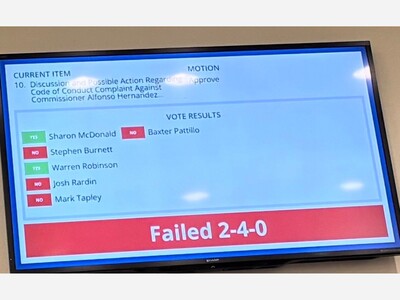

One more time, ATN gets it wrong. Now they have to find someone else besides Kim Night Owl Pampers to impeach the four commissioners ELECTED to run our city. Clearly, a landslide is coming, and the two rogue actors will be out.
and they'll be goosestepping right along - shades of ceausescu...

Light rain shower, with a high of 65 and low of 61 degrees. Light rain shower during the morning, moderate or heavy rain shower for the afternoon, light rain shower in the evening,
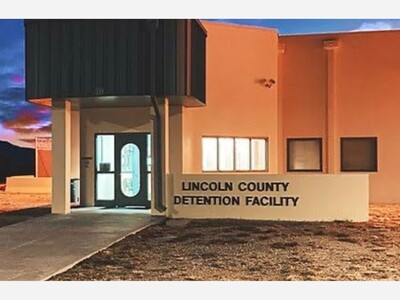
when jails and prisons are farmed out to operators who are in that business to turn a profit, it should come as no surprise when decisions are made that favor their profit over their legal requirements.

Man-oh-man. You wrote, "The attorney only checked the paperwork." *** do you want? The trial at Nuremberg? Doubting every little thing you can pick on reveals your paranoia. Stephanie is OUT for a legal reason. The smoky mayor feeding you garbage is clickbait.
Nice comment. I believe your sheet and hood are ready to be picked up at the kkkleaners.
Racist garbage.




once again; complete transparency should be expected with any entity that enjoys status as a natural monopoly.
Absolutely

another opportunity to watch the voting block...



well stated, sir.
Thank you for the transparency this town deserves. Your due diligence is much appreciated. 🌿