61° and Light rain shower
Image
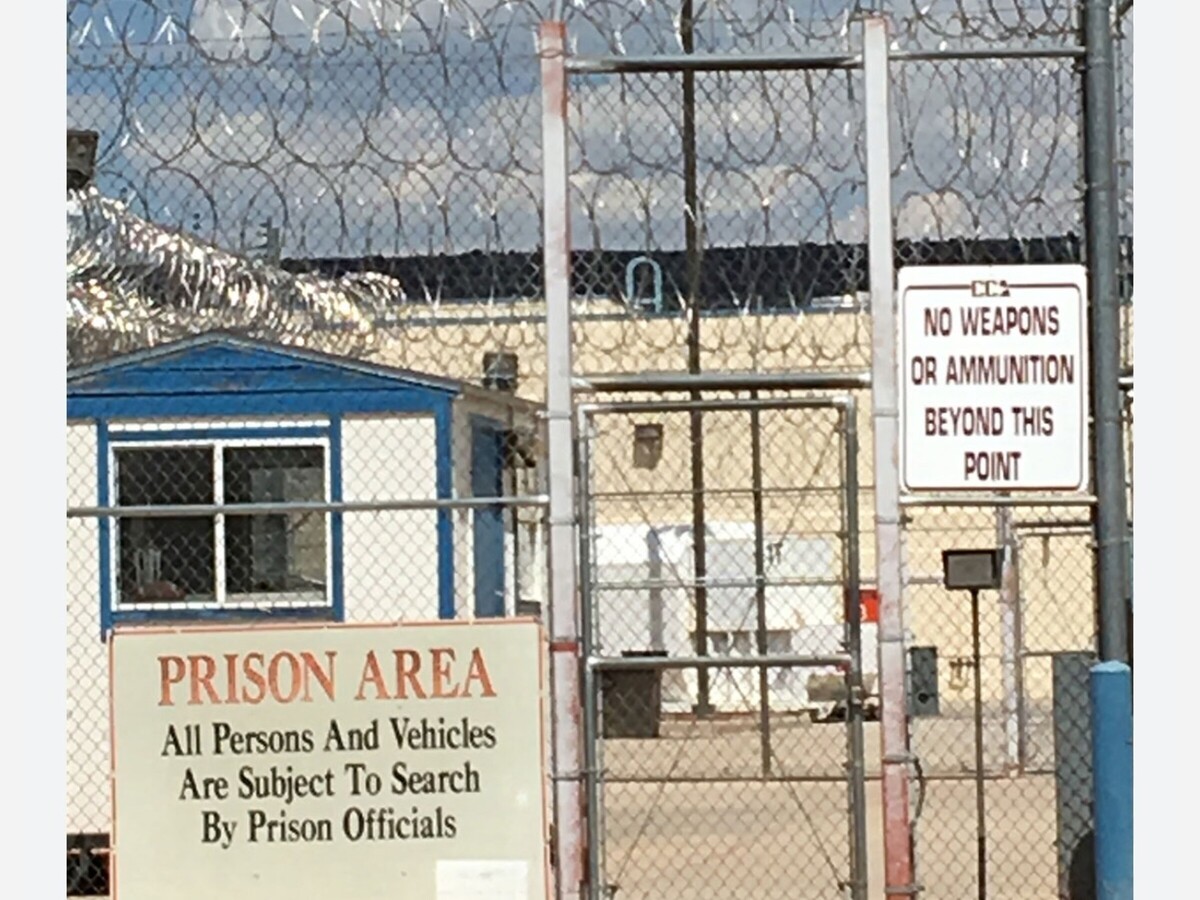



Alamogordo, NM – As House Bill 9, the Immigrant Safety Act, heads to Gov. Michelle Lujan Grisham’s desk following its passage in the Senate on February 3, 2026, Otero County faces one of the most severe potential economic hits among the affected areas. The county-owned Otero County Processing Center (OCPC) in Chaparral—operated by Management & Training Corporation (MTC) under an intergovernmental service agreement with ICE—relies heavily on federal payments for detainee housing, generating revenue that supports local operations and debt service.
The facility, with a contractual capacity of up to 1,089 beds (often near or exceeding that in recent years), contributes modestly to the overall county budget—around 3% of annual revenues in some analyses—but plays a critical role in servicing its construction-related debt. The OCPC was financed in 2007 through $62.3 million in revenue bonds (originally at high interest rates around 9%, issued without a public vote). These are revenue bonds, meaning repayment depends solely on facility-generated income, not general taxpayer funds.
Recent county budget documents and expert reviews indicate approximately $45.2 million remains outstanding, due through 2028. Some earlier estimates cited potential exposure up to $58 million if revenue streams ceased abruptly. County officials, including Rep. John Block (R-Alamogordo), have repeatedly warned that terminating the ICE contract could jeopardize debt servicing, leading to risks such as:
• Downgraded bond ratings — negatively affecting the county’s creditworthiness and increasing future borrowing costs for any projects.
• Potential default — though experts note that bondholders assumed policy and legislative risks, and defaults on revenue bonds typically have limited broader credit impacts since they are not backed by general obligation taxes.
• Shifted financial burdens — possibly requiring budget reallocations, cuts to services, or indirect taxpayer impacts in a rural economy with few alternative revenue sources.
• Compounded fiscal pressures — including ongoing exposure from unrelated lawsuits (e.g., Sheriff’s Department cases and the Elijah Hadley civil matter), which could strain resources further if detention revenue dries up.
Opponents like Sen. Jim Townsend emphasized that closure could eliminate around 300 direct jobs (with ripple effects on local spending and taxes) and devastate rural communities dependent on prison-related employment. A proposed Senate amendment for state compensation to offset lost revenue, bond repayments, or job impacts failed narrowly (20-19 vote), as did House amendments (including one from Block) seeking reimbursement mechanisms. The final bill includes no provisions for financial relief, reserves, or mitigation for affected counties.
The Fiscal Impact Report from the Legislative Finance Committee describes statewide revenue effects as indeterminate, noting no comparable detailed modeling from Otero County (unlike Cibola’s submission estimating job/payroll/GDP losses). Some advocates and experts argue reserves in bond payment accounts could cover obligations temporarily, allowing time for adjustments, and that the facility’s economic benefits are overstated relative to its human rights concerns (including documented abuses, solitary confinement, and deaths in custody at New Mexico ICE sites).
When signed into law, as promised by the Governor HB 9 requires termination of existing agreements at the earliest contract-permitted date, bans new/renewed contracts, prohibits public property use for civil immigration detention, and ends 287(g) enforcement pacts. While privately owned facilities in Cibola and Torrance might pivot to direct ICE-CoreCivic contracts, Otero’s publicly owned center faces higher closure risk, heightening local budget and bond anxieties.
Citations:
• 2nd Life Media Alamogordo Town News: “House Passes Immigrant Safety Act: Otero County’s Chaparral Detention Center Faces Uncertain Future” (Feb. 2026) – Details on $45.2 million outstanding through 2028, bond history, and failed amendments.
• ACLU of New Mexico: “Otero County claims ICE facility can’t be closed due to bond debt. Experts disagree” (updated 2026) – Analysis of reserves, no taxpayer obligation on revenue bonds, limited credit rating impact.
• New Mexico Legislature Fiscal Impact Report for HB 9 (Jan. 22, 2026) – Indeterminate impacts, no Otero-specific modeling or relief.
• Source New Mexico / Santa Fe New Mexican articles (various 2026 dates) – Committee advances, job/tax warnings, and Otero-specific concerns.


Patchy rain nearby, with a high of 79 and low of 57 degrees. Patchy rain nearby in the morning, thundery outbreaks in nearby for the afternoon, light rain for the evening, patchy rain nearby overnight.


Love your shop in Las Cruces! Haven’t been to the one here in Alamo yet.
Hi Troy,
What do you think of the manga Jaadugar: A Witch's Life in Mongol (Tomato Soup). It's now an anime from Saru Science/Crunchyroll.
Enjoy!



Thank you Sheriff!

She lectures her expertise like she was running SpaceX. Home Service Contractors and Darnold Plumbing could get any of those things built in a month. These unqualified people use it to justify their lives. We have to work to pay off their excess spending.
Neither have the proper license try again!
Hey Rube! I think the point is expertise. A 'proper licesne' is always the thinking of those educated by The Machine. Let the free market rule, not the paper pushers.

He did the same thing when he ran against Rachel. He's a pathological liar who just keeps proving it over and over.
he senses trouble....and i smell blood - time to send him to private sector employment - maybe his oil & gas friends can find something for him to do.
Lets ask the editor.
sir, are you not involved in the campaign?