78° and Heavy rain at times
Image
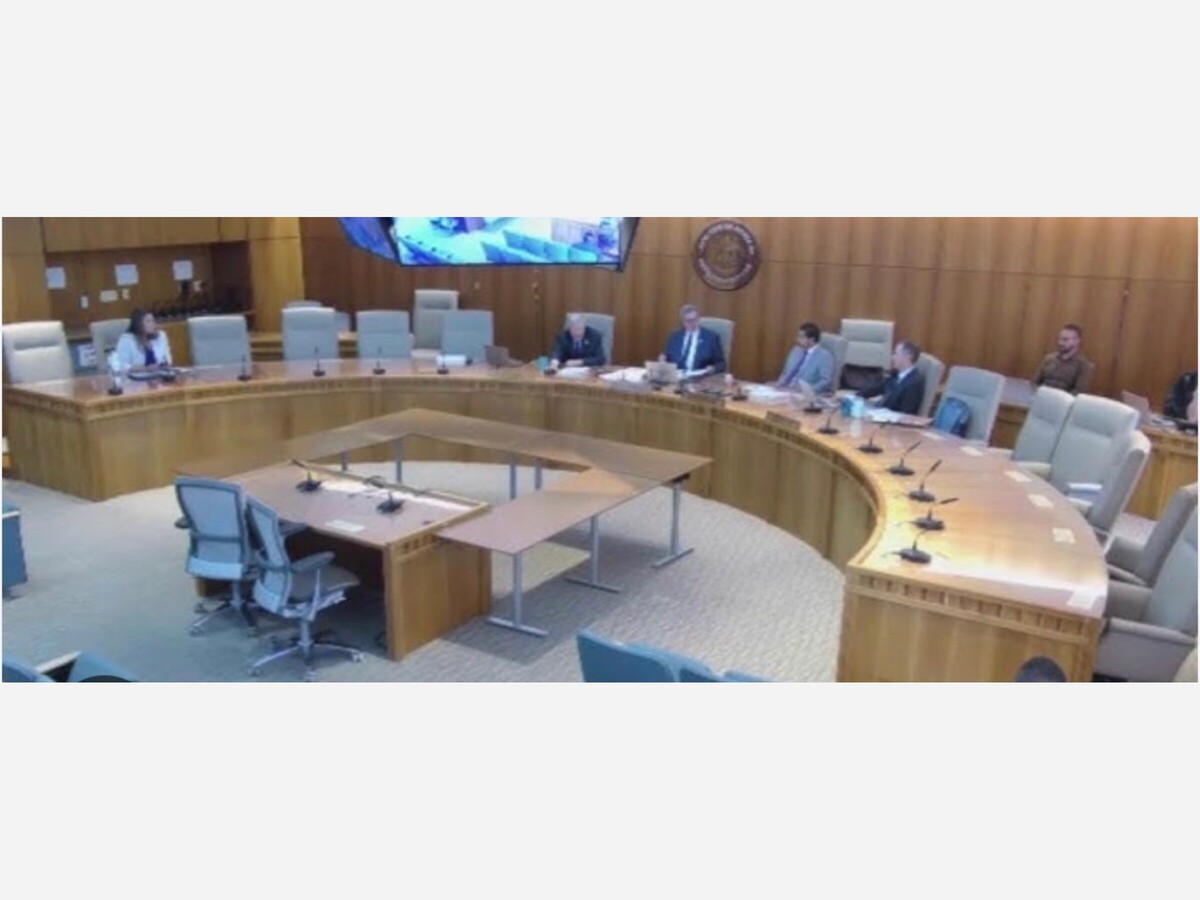



Santa Fe N.M. Byline Chris Edwards Alamogordo Town News— In a significant regulatory development, the Public Regulation Commission publicly acknowledged Thursday that Timberton Water System District is a utility under its jurisdiction, potentially opening the door to broader oversight of the struggling water provider that serves residents in southern New Mexico.
The statement came during an August 6 special meeting where PRC staff outlined new strategies for identifying and intervening in water systems facing chronic operational and financial crises.
“Unique” Status Doesn’t Eliminate Oversight
During the meeting, PRC Legal Division staff specifically identified Timberton as the only political subdivision among the roughly 26 water utilities the Commission regulates, and noted that it had opted into Commission jurisdiction. The characterization marks a departure from previous positions that the system’s governmental structure might place it beyond PRC authority.
“Timberton is a unique utility that we regulate,” PRC staff stated, according to meeting records reviewed by regulators and other stakeholders.
The distinction matters because it establishes the foundation for potential PRC action on water rates, tariffs, service adequacy, and reporting requirements—even though Timberton also operates roads, golf facilities, and recreation services outside the Commission’s traditional regulatory scope.
State Health Official Cites Recurring Crises
The regulatory spotlight intensified when the New Mexico Environment Department’s Drinking Water Bureau Chief Joe Martinez identified Timberton specifically as a system plagued by recurring emergencies tied to water loss and management failures.
Martinez explained that among more than 50 drinking-water emergencies reviewed by NMED, approximately 73% involved deferred infrastructure maintenance, 42% involved governance or management failures, and 23% involved financial incapacity. He characterized Timberton as a cautionary example of this pattern.
“The great majority of these emergencies are potentially avoidable if systems have sufficient technical, managerial, and financial capacity,” Martinez told the Commission.
Service Complaints Mounting
The PRC’s own Consumer Relations department provided additional evidence of problems: seven outage and service-quality complaints involving Timberton Water during 2026 alone, according to staff presentations at the meeting.
These complaints align with longstanding allegations of extreme water loss, repeated breaks and outages, and deteriorating service conditions that have been raised in formal complaints against the utility.
Receivership Emerging as Serious Option
Perhaps most significantly, PRC staff devoted substantial discussion time to New Mexico’s receivership statute and whether it should be reformed to move faster when utilities face emergencies.
“When a utility reaches receivership, it is an emergency situation because people’s water is in danger, unsafe, or unavailable,” PRC staff stated, arguing that the Legislature should consider requiring district courts to prioritize receivership proceedings rather than allowing them to move at ordinary pace.
The discussion suggests receivership—traditionally viewed as a remote possibility—is now being considered as a legitimate tool for addressing severely distressed systems.
Broader Regulatory Push
The August 6 meeting revealed a PRC shift toward proactive rather than reactive regulation. Staff announced creation of a Small Water Utilities Task Force, development of a dashboard integrating information from the NMED and other agencies, and plans to identify at-risk utilities before they reach crisis levels.
“We’re not waiting for emergencies anymore,” the regulatory posture suggested, with staff indicating plans to initiate additional enforcement actions against non-compliant utilities.
Questions Remain
While the meeting strengthened arguments about Timberton’s regulatory status and operational struggles, it did not directly resolve specific disputes over water rates or charges, leaving those questions for future regulatory action.
Staff has not yet issued a final recommendation in a formal complaint filed against the district, which raises questions about rates, service adequacy, governance, and a contested “Facilities & Services” charge.
The timing of the August 6 meeting—and staff’s delayed response to that complaint—is now drawing scrutiny from stakeholders monitoring the case.
The PRC has not identified a timeline for resolving the formal complaints against Timberton Water System District. The NMED continues its own oversight of water quality and drinking-water compliance at the system.

this situation reflects the fact that doing everything on the cheap, and only using band-aids when problems arise - and problems ALWAYS arise - is going to end up just like this. people who ignore REALITY wind up needing CHARITY to solve the problems that they creat. blame for this rests with every person who ever promised "no new taxes", and every person who ever voted for them.

Just thought the one thing all these first-timers have in common is no qualifications. Wanting to serve, help, or partake isn't enough. None of these people have any professional experience. Where are the engineers, CPA's, Ph.D's?
Business owners, a practicing attorney, one with a PHD, seems to me you didn't review the video.


Sunny, with a high of 79 and low of 62 degrees. Sunny during the morning, overcast in the afternoon and evening, clear overnight.



like many others, i have experienced work-place environments where favoritism and cliques were present - adding unnecessary stresses to any job. two observations about such places; that the ultimate goal of governmental ethics regulations is to prevent the appearance of imp
Just to weigh in on this. Whatever the editor thinks about his right to publish is certainly his point of view, but it's getting to the embarrassing stage of conjuring divisiveness bent on turning a functioning government he doesn't like, but the people have elected.
The editors point of view is we need a functioning government. The viewpoint allegations were not of the editors making it was mailed to the city with a copy to the editor.

like 99% of his fellow republicans, block is a servant to the oil & gas industry - a principal constituent of their party.


i would say that while our economy is "the hottest in the world" according to el presidente, this would be an excellent time for block to seek employment in the private sector....just like barela.
Pipqueak is a prime example of the defects of their party. They don't recruit qualified leaders. It's duplicitous, unemployed people who know all they have to do is start an internet site and walk the neighborhood dressed up on Sundays. The population here doesn't know how to vote.


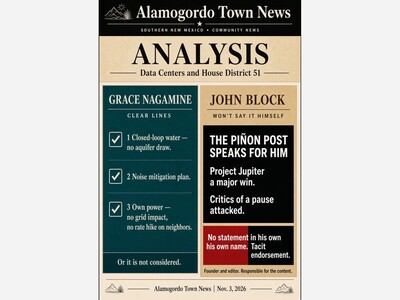
It is so important to understand the differences in the candidates' stand on this critical issue! Protecting our water in the desert is understood by all political parties living here! Nagamine is taking a stand to protect us!
many politicians claim to represent common sense, but here in new mexico, defending our water supplies and electrical power generation is pretty much the definition of common sense - and sucking up to billionaires is not.