80° and Partly Cloudy
Image
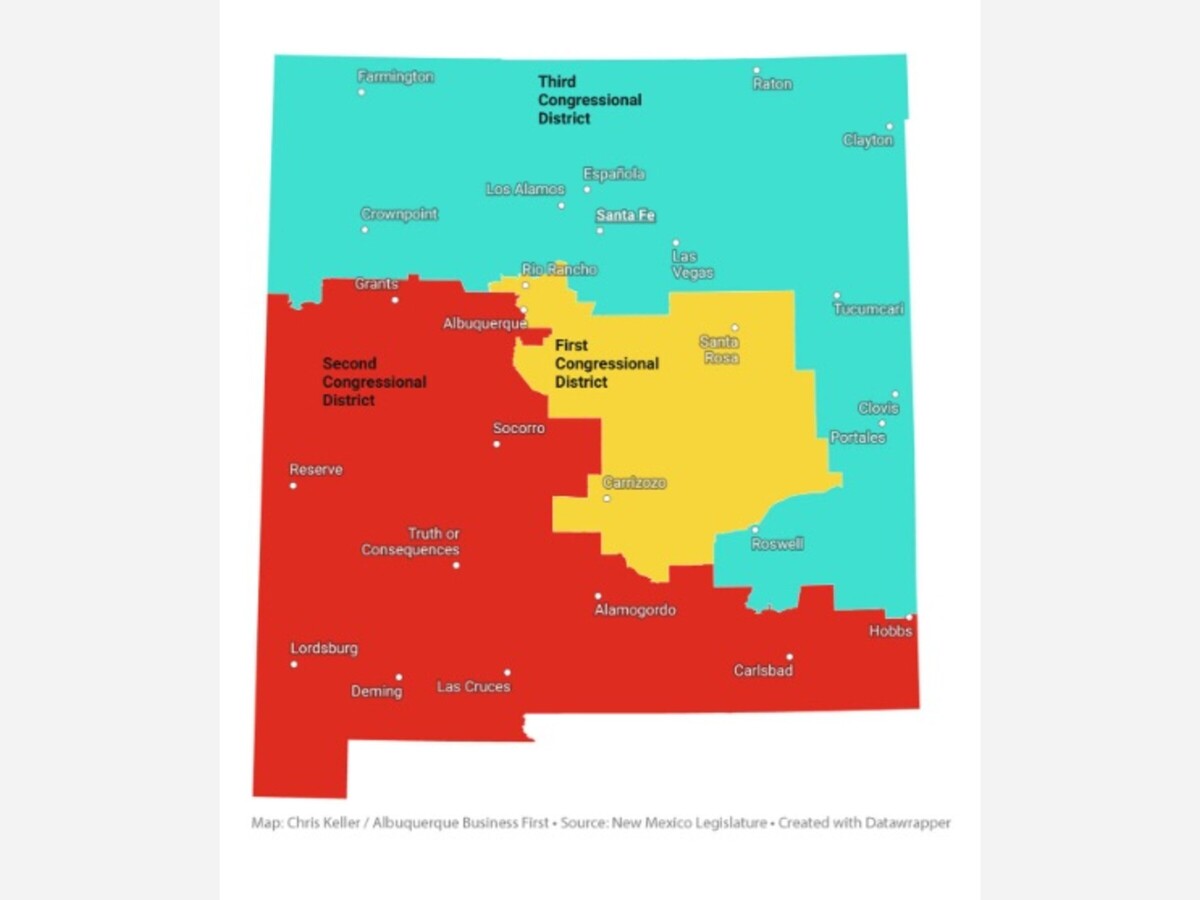



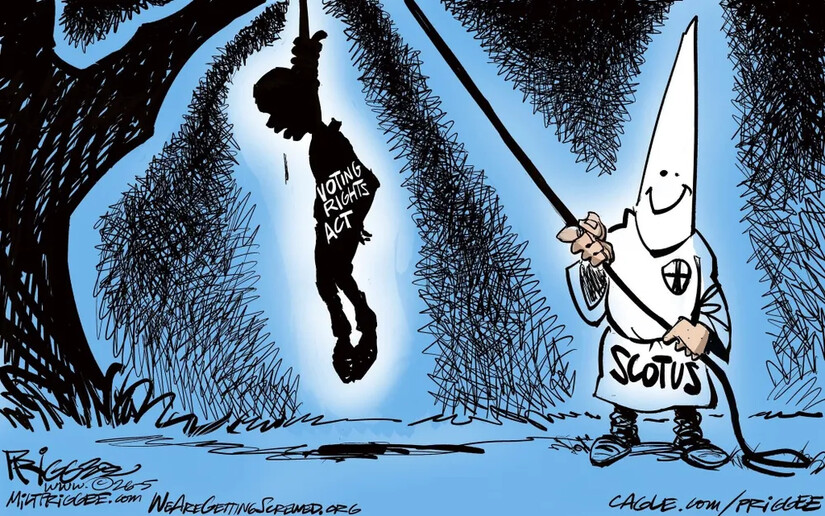
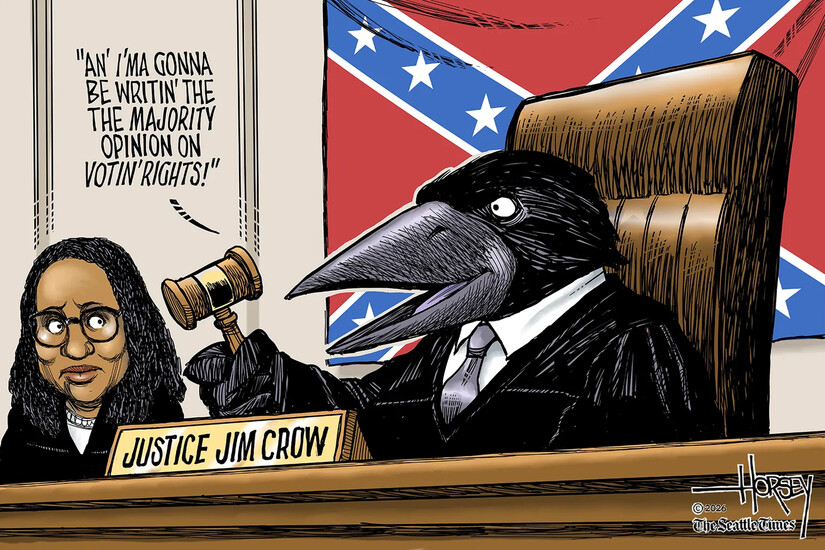
ALAMOGORDO, N.M. — May 1, 2026 — Folks here in the Tularosa Basin and across Otero County are waking up to big news out of Washington that could change how our votes count in future elections. In a 6-3 decision handed down Tuesday, the U.S. Supreme Court struck down Louisiana’s congressional map that carved out a second majority-Black district, calling it an unconstitutional racial gerrymander. The case, Louisiana v. Callais, raises the bar for proving racial discrimination in redistricting and hands more control back to state lawmakers — with real ripple effects for New Mexico’s southern districts, including our own NM-2 that covers Alamogordo, Holloman Air Force Base, and much of Otero County.
For years, New Mexico’s maps — especially here in the south — have been drawn with an eye on the federal Voting Rights Act to protect Hispanic and Native American voices from being split up or drowned out. That “shield” just got a whole lot thinner. Now, districts designed to give minority communities a fair shot could face new lawsuits claiming they’re illegal racial gerrymanders unless there’s clear proof of intentional racism by the folks drawing the lines.
Here in Otero County — a longtime Republican stronghold that hasn’t gone Democratic for president since 1964 — the ruling hits close to home. Our congressional district, NM-2, has flipped back and forth like a hot potato over the decades: from Republican Joe Skeen’s long hold in the ’80s and ’90s, to Steve Pearce, Yvette Herrell (our own Alamogordo Republican who served 2021-2023), and now Democrat Gabe Vasquez. That 2021 redistricting fight by the Democratic-led Legislature in Santa Fe was a doozy — they stretched NM-2 from the bootheel all the way up to parts of Albuquerque, splitting up conservative oil-and-gas counties like Otero, Chaves, Eddy, and Lea to make the map more competitive for Democrats. Republicans sued, calling it a partisan power grab, and the state Supreme Court ultimately let it stand.
Now, with the Callais ruling, those same maps — and any future ones — sit in a new legal gray area:
1. Our Local Minority-Opportunity Districts Are Suddenly More Vulnerable
Southern New Mexico’s NM-2 has long been shaped in part to comply with Section 2 of the Voting Rights Act, giving Hispanic voters (who make up roughly 48-50% statewide and a big chunk right here in Otero) a real chance to elect candidates of their choice. That protection just lost some muscle. Opponents could now challenge these lines as “racial gerrymanders” if race played too big a role in the drawing. What was once required by federal law could now get struck down in court.
2. Native American Communities in the Tularosa Basin Feel the Squeeze
Nearby Mescalero Apache and other tribal voices have relied on these protections for decades to keep their votes from being cracked across districts. Remember the battles in the 1980s and ’90s when courts forced New Mexico to redraw lines after complaints of diluting Hispanic and Indian votes in southern and northwestern counties? Under the new standard, proving vote dilution just got a lot harder — you’ll need ironclad evidence the Legislature in Santa Fe meant to discriminate on purpose, not just that the map had that effect.
3. Partisan Politics Could Now Be the Get-Out-of-Jail-Free Card
The Supreme Court basically said: If lawmakers claim they drew the lines for plain old partisan reasons — “We just wanted to help our party win more seats” — that’s usually enough to make it legal, even if minority voters end up with less clout. In New Mexico, where redistricting has always been a bare-knuckle fight between the Democratic majority in Santa Fe and Republican strongholds like Otero County, this gives the map-drawers in the Roundhouse even more breathing room. Critics here have long said the 2021 maps diluted southern conservative voices to favor Albuquerque and the north. That argument just got stronger.
4. 2026 Midterms and Beyond Just Got Murkier
With congressional and state legislative races coming up this fall, New Mexico’s current maps — already chewed over in court — could face fresh challenges. The ruling tells state legislatures they’ve got more leeway to redraw lines without the feds breathing down their necks under the old VRA rules. Power shifts even more to the state Legislature and our own New Mexico Supreme Court.
The bottom line for Alamogordo and Otero County families: The days when federal courts and the Voting Rights Act acted as the main referee for fair district lines are fading fast. How our congressional and legislative districts get drawn now rests more than ever in the hands of politicians in Santa Fe — and, ultimately, the voters who hold them accountable right here at home.
Local leaders and voting rights folks on both sides are expected to weigh in as the dust settles. We’ll keep you posted on what this means for your ballot in November and the next round of redistricting after 2030. In a place like Alamogordo — where Holloman AFB, White Sands, and our diverse communities have always fought for a fair shake — this one’s worth watching closely.
Reporting draws from the Supreme Court opinion, New Mexico’s 2021 redistricting battles, and local election history.

Democratic party getting worried.
a well stated article - constitutional lawsuits bring questions such as this into sharp focus - as well they should.

Sunny, with a high of 106 and low of 80 degrees. Sunny in the morning, clear for the afternoon and evening,

70 in a 35, poor person un the Honda didn't have a chance.
vehicular homicide indeed.
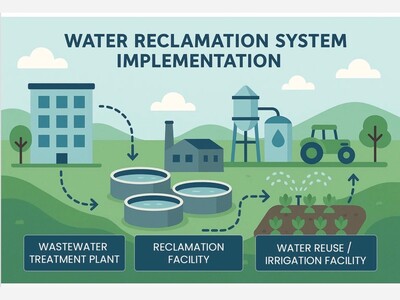
the long term drought conditions serve to underline the importance of long-term vision and planning to meet future water needs.
Now, if there was some way to collect all the storm runoff that goes out to the desert
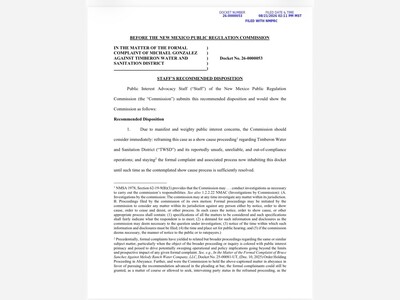
any water distribution built with schedule 20 pvc piping, has been "a public utility emergency" since it was constructed. the fact that it lasted as long as it has is incredible.
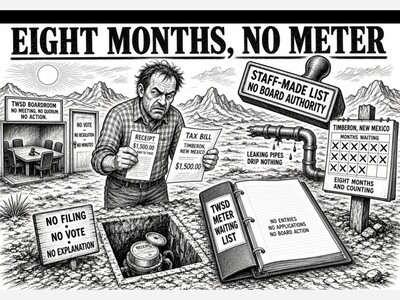
ultimately the price for poor management practices will be equally borne by every property owner in that community - except those who have private wells, i suppose. but even those folks will have a smaller pool of prospective buyers....makes it sound kinda like socialism doesn't it?

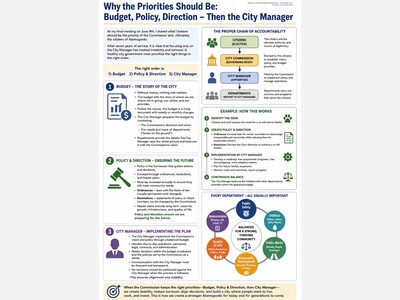
I hope Dr. Hernandez is a guest speaker at an upcoming meeting of the Mayor's Youth Advisory Commission. She has so much wisdom and experience to pass on to younger generations.
It's the product of living in a lowly bubble: an immature, undeveloped writing style that has no insight or reasonable conclusion. Those PhD's from Watsamatta U in New Mexico are only a union card for activists to rally 'round and a far cry from what $200k a year should buy.
Your excellence at writing a reply show that you are an intelligent and urbane fellow. Whatever, get me my fries bro.