61° and Clear
Image



Alamogordo, NM – December 18, 2025
New Mexico has taken a significant step in addressing concerns over the herbal supplement kratom by prohibiting its use in any food or beverage products sold in state-permitted establishments. The New Mexico Environment Department (NMED) announced today that kratom is not an approved food ingredient and will be considered an adulterated substance under state food safety regulations, aligning with federal guidance from the U.S. Food and Drug Administration (FDA).
This new guidance requires all permitted food facilities—including convenience stores, gas stations, and restaurants—to immediately stop using kratom in products like drinks, gummies, or mixes and discard any remaining inventory. Facilities continuing to sell kratom-infused items could face escalating enforcement, including criminal prosecution.
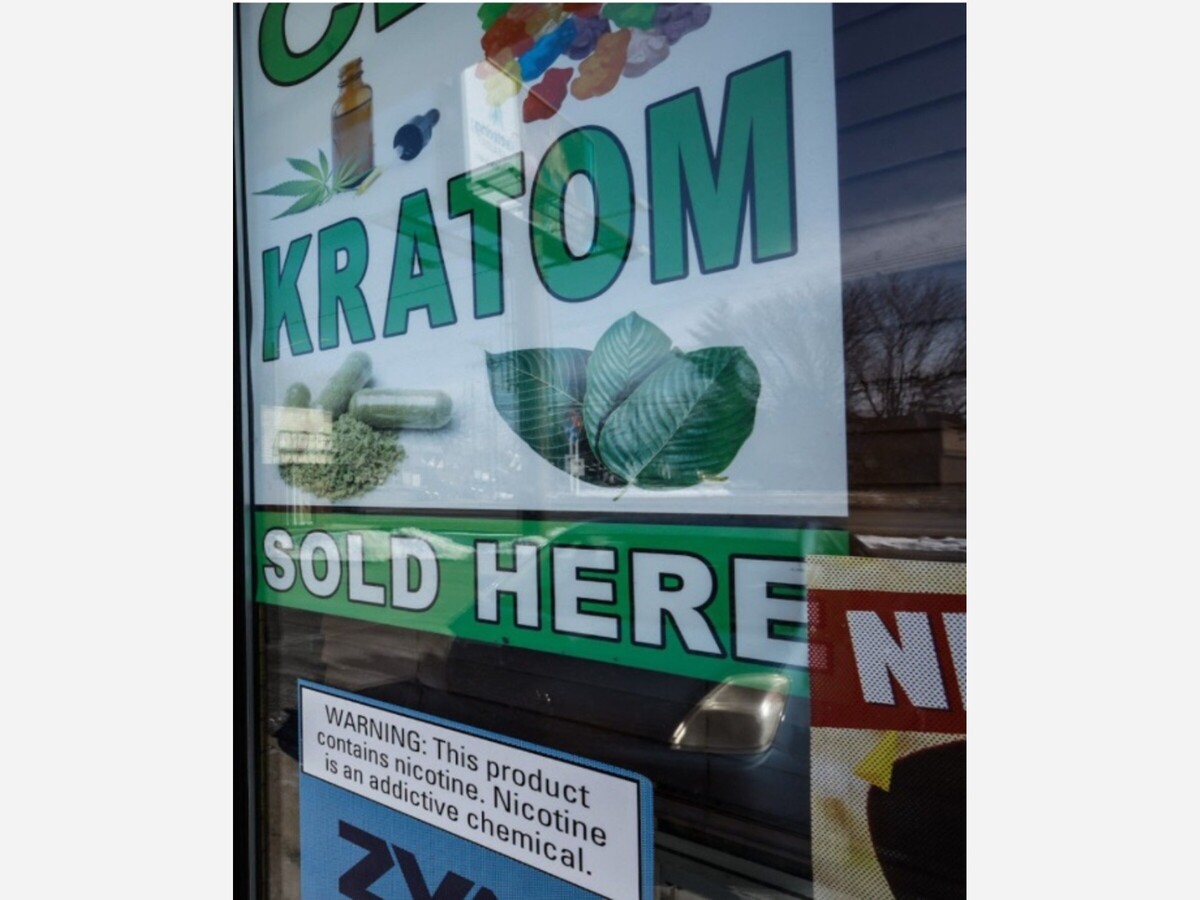
Kratom, derived from a tree native to Southeast Asia, is often sold in forms such as shots, liquids, powders, and vapes. It has been marketed for benefits like pain relief, mood enhancement, and aiding opioid withdrawal, but health officials warn of serious risks.
“Protecting the health and safety of New Mexicans is our top priority,” said Marci Nevarez, Chief of the NMED Environmental Health Bureau. “The use of unapproved additives like kratom in food puts consumers at risk, and today’s announcement reinforces our commitment to science-based food safety standards.”
The move builds on ongoing statewide concerns about kratom. Last month, New Mexico Attorney General Raúl Torrez issued a public warning about the substance’s opioid-like effects and potential for addiction. The New Mexico Department of Justice (NMDOJ) highlighted that kratom products remain widely available in smoke shops, convenience stores, and online, with no prior state regulations despite bans or restrictions in other states.
In Alamogordo and surrounding Otero County, where kratom has been readily sold at local smoke shops and convenience stores, the prohibition will directly affect retailers offering kratom-infused beverages or edibles. While non-food forms like capsules or powders may still be available in non-permitted outlets, the ban targets the increasingly popular drink formats often found at gas stations and smoke shops.
Health officials note that unregulated kratom lacks guarantees of purity or potency. Reported side effects include nausea, vomiting, liver damage, hallucinations, seizures, addiction, and in rare cases, overdose or death. The New Mexico Department of Health recommends carrying naloxone for potential opioid-related emergencies and advises calling Poison Control at (800) 222-1222 for exposure concerns.
The NMDOJ continues to encourage residents, including those in southern New Mexico communities like Alamogordo, to share experiences with kratom via an online form at NMDOJ.gov/kratom.
For more details on the FDA’s stance, visit their kratom resource page. Questions about the new food guidance can be directed to NMED’s Food Program at food.program@env.nm.gov.



thanks for a very even-handed presentation of extremely interesting statistics. the impact of motor-voter registration systems is highly sensitive to political support....the difference between texas and new mexico is stark.

Sunny, with a high of 80 and low of 59 degrees. Sunny in the morning, clear during the afternoon and evening,









like i've said - when your opponents are committing fratricide - don't get in the way....
True that. Worked for the otero county democratic party.