
 70° and Clear



Image
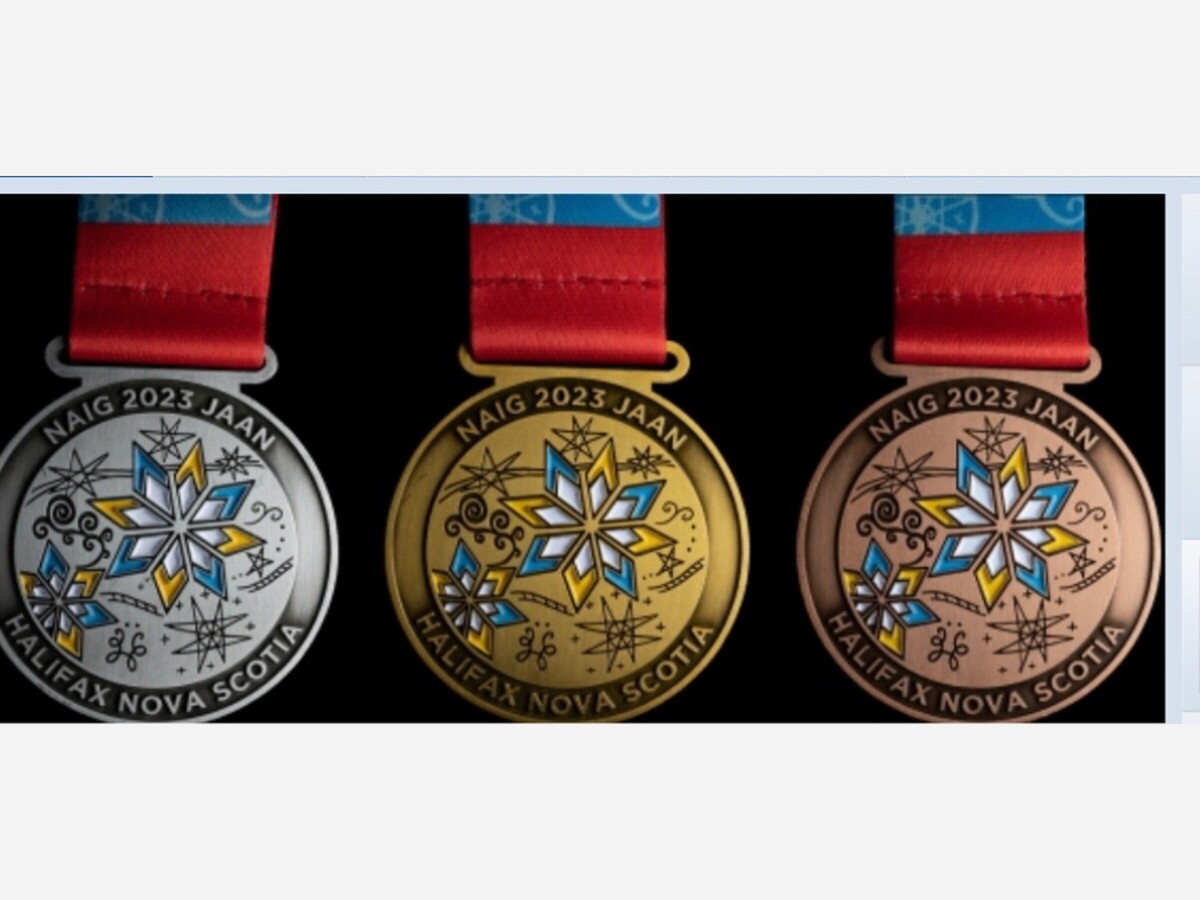
A team of New Mexico athletes competed in this year’s 2023 Indigenous Games. The games were hosted on the lands of three tribal nations located in Halifax, Nova Scotia, Canada.
Team New Mexico competed in a variety of sports at the event which has 16 total. Over 5,000 athletes, coaches, and staff from 756 Indigenous Nations competed in competition.
The New Mexico group is 87 members strong and has a softball coach who won gold at the games before. New Mexico also has a wrestling coach who was successful at the games in the past. Both know the importance of the event.
In an interview with KRQE Coach Cary Moone stated, “It’s a good opportunity to get in touch with your culture. Some of the girls on the team, they play with nonnatives in high school growing up. So, this is a good opportunity to come together, more or less, play for your community.”
According to reports for KRQE, Wrestling Manager and Assistant Coach Vance Aspass was glad that the athletes got a chance to travel.
“Getting out of the State of New Mexico, seeing different competition, it’s huge just to have them go out there and see the world,” said Apass. “Having sports be a big part of it is a big thing for the youth these days. A lot of the Native American kids can’t get out of the reservation, out of the state, except with their high schools.”
The 2023 Indigenous Games wrapped up on Saturday in Nova Scotia, Canada. Team New Mexico represented the Land of Enchantment well, as they received the highest medal count by any team in the division.
The 19U girls softball team also won gold for their efforts in the tournament. Team New Mexico battled all the way to the gold medal match against Manitoba, however the game was cancelled due to extreme weather. Organizers declared both team New Mexico and Manitoba the winners, and they received their medals during a ceremony on Saturday night.
The dream to hold Games for the Indigenous Peoples began in the 1970’s. In 1971, the Native Summer Games held in Enoch, Alberta drew 3,000 participants competing in 13 sports and many cultural events.
In 1973, the Western Canada Native Winter Games were held on the Blood Reserve in Kainai, Alberta. In 1975, a meeting of the National Indian Athletic Association was held in Reno, Nevada, where it was decided to organize Games for Indigenous Peoples. John Fletcher, a Peigan from Edmonton, Alberta, and Willie Littlechild, a Cree of the Ermineskin Tribe at Hobbema, Alberta, attended; John Fletcher is credited for his support in the decision to have the Games, as presented by Mr. Littlechild, based on the above success.
In 1977, the dream to host large scale Indigenous Games took another step forward in Sweden at the Annual Assembly of the World Council of Indigenous Peoples. Willie Littlechild presented the motion to host International Indigenous Games. It was unanimously passed. A Brazilian elder was so moved, he presented Willie Littlechild with a war arrow representing peace in his tribe. Advising it be pointed to the ground, this arrow would direct anything evil toward the underground. It is now part of the sacred ceremonial run.
In 1990, Edmonton, Alberta hosted the first ever North American Indigenous Games.
The NAIG Council was formed between 1992 and 1993 with the help of the hosts from Edmonton, Alberta and Prince Albert, Saskatchewan along with other key individuals. The games have been held ever since.



Sunny, with a high of 90 and low of 66 degrees. Sunny in the morning, clear overnight.


DOJ's on Ilan Omar's immigration case... Anchor Baby Gabe Vasquez c'aint be too far behind . . just sayin . . FOR CHANGE
Nothing says ‘public safety’ like sending gun‑wielding children home and waiting to see who gets hurt next.
When do we hold Governor clown shoes responsible. Like her failing policies with CYFD to return children to parents that then kill them…