
 76° and Overcast
Image



In the rugged heart of New Mexico, where vast deserts meet towering mountains, three rural counties are locked in a nail-biting struggle against a game-changing law that's shaking their economic foundations to the core. The Immigrant Safety Act, boldly signed into law on February 5, 2026, and roaring into effect on May 20, 2026, slams the door on local governments partnering with U.S. Immigration and Customs Enforcement (ICE) for civil immigration detention.
For Otero, Torrance, and Lea Counties, this isn't just policy—it's a potential economic earthquake, threatening jobs, revenues, and the very pulse of community life. But hold on, folks—while the storm clouds gather, each county's story unfolds with twists, turns, and a dash of hope, revealing who's got the grit to ride it out.
Buckle up, because this Act isn't messing around—it's forcing counties to sever ties with ICE, putting detention centers on the chopping block and exposing fragile rural economies to the harsh winds of change.
Otero's county-owned Otero County Processing Center (OCPC) in Chaparral stares down closure, poised to wipe out $3.5 million yearly in GRT and rent, slash 284 jobs pumping $20.8 million in payroll, and trigger defaults on $21–45 million bonds for its $68 million price tag.
Torrance's CoreCivic-run Torrance County Detention Facility (TCDF) braces for a slice of a $17 million statewide blow, with $600,000 in GRT relief barely softening the landing amid a facility haunted by mental health crises and deaths.
Over in Lea, the GEO Group-owned Lea County Correctional Facility (LCCF) in Hobbs navigates a smoother path, vacating state inmates by June 2025 but eyeing direct ICE deals to keep 350 beds buzzing—potentially dodging disaster altogether.
Let's dive into the shared spotlight first, because these counties aren't facing this alone—they're bound by a common thread of reliance on detention facilities as unlikely economic lifelines. Imagine facilities that once hummed with activity, pumping vital gross receipts tax (GRT) dollars into local coffers and providing steady paychecks in areas where opportunities are as scarce as rain in the Chihuahuan Desert. Otero's OCPC, Torrance's TCDF, and Lea's LCCF all stand as economic anchors, fueling everything from road repairs to emergency services.
The Act's ban on these contracts could trigger a domino effect: lost revenues, spiking unemployment, and strained budgets amid a statewide economic slowdown, where general fund revenues are contracting by 1.6% due to sluggish corporate taxes and federal tweaks in oil and gas relief. And don't forget the bigger picture—each county is eyeing legal loopholes, asset repurposing, or state bailouts to claw back from the brink, highlighting a collective cry for diversification in New Mexico's rural playbook.
But oh, the differences! These aren't cookie-cutter crises; they're as varied as the landscapes they inhabit.
Otero County, with its 68,000 residents and a FY26 budget boasting $65.5 million in revenues pitted against $84.9 million in spending, is staring down the barrel of a direct hit. Its county-owned OCPC faces outright closure, vaporizing $3.5 million yearly in GRT and rent, axing 284 jobs worth $20.8 million in payroll, and jeopardizing $21–45 million in bonds for the $68 million facility—talk about a foreclosure nightmare! Add in juicy scandals like $2 million-plus lawsuit payouts for civil rights fiascos, looming $5–10 million hits from cases like a tragic teen shooting, audit delays exposing shaky internal controls, and a $1–2 million gut-punch from Alamogordo ditching the Tularosa Basin Regional Dispatch Authority, and Otero's plate is overflowing with peril.
Torrance County, a pint-sized powerhouse of just 15,000 souls, is already wobbling from a $900,000 general fund deficit in FY26's first quarter and $5.7 million overruns on a building project. Its TCDF, plagued by a dark history of mental health horrors and detainee deaths that have senators screaming for shutdowns, contributes to a $17 million statewide sting, with $600,000 in GRT relief offering scant comfort. Incoming $10.4 million in Payment in Lieu of Taxes (PILT) might buy time, but in this impoverished corner, the risk of turning Estancia into a ghost town looms large, with job losses and service cuts hitting harder without Otero's reserve buffers.
Then there's Lea County, the Permian Basin powerhouse with 74,000 residents and an oil-fueled swagger that's turning heads. Sure, LCCF is vacating state inmates by June 2025, but its private ownership by GEO Group opens the door to direct ICE deals, potentially dodging the Act's bullet and even boosting capacity for 350 beds—hello, job preservation and revenue stability! Lea's budget flexes with investments like $900,000 for Lea Regional Airport and health perks, backed by oil riches that could rake in over $10 million in annual GRT.
Oil price swings are a wild card, but without Otero's debt dramas or Torrance's scandal shadows, Lea sidesteps the worst, focusing on smooth transitions rather than survival mode.
Now, let's peel back the curtain on why hitching your wagon to federal detention stars is a risky gamble that often ends in heartbreak. These arrangements—built on volatile contracts with the feds—promise quick cash through per-diem payments for housing immigrants or prisoners, but they breed economic dependency that's as shaky as a house of cards.
Communities pour millions into building or maintaining facilities, only to face sudden contract terminations due to politics, policy shifts, budget cuts, or scandals, leaving ghost towns in their wake.
Beyond the bucks, there's a human toll: Facilities often skimp on oversight, leading to rampant abuses like inadequate medical care, toxic environments from nearby landfills or coal waste, and even deaths that spark lawsuits and reputational ruin.
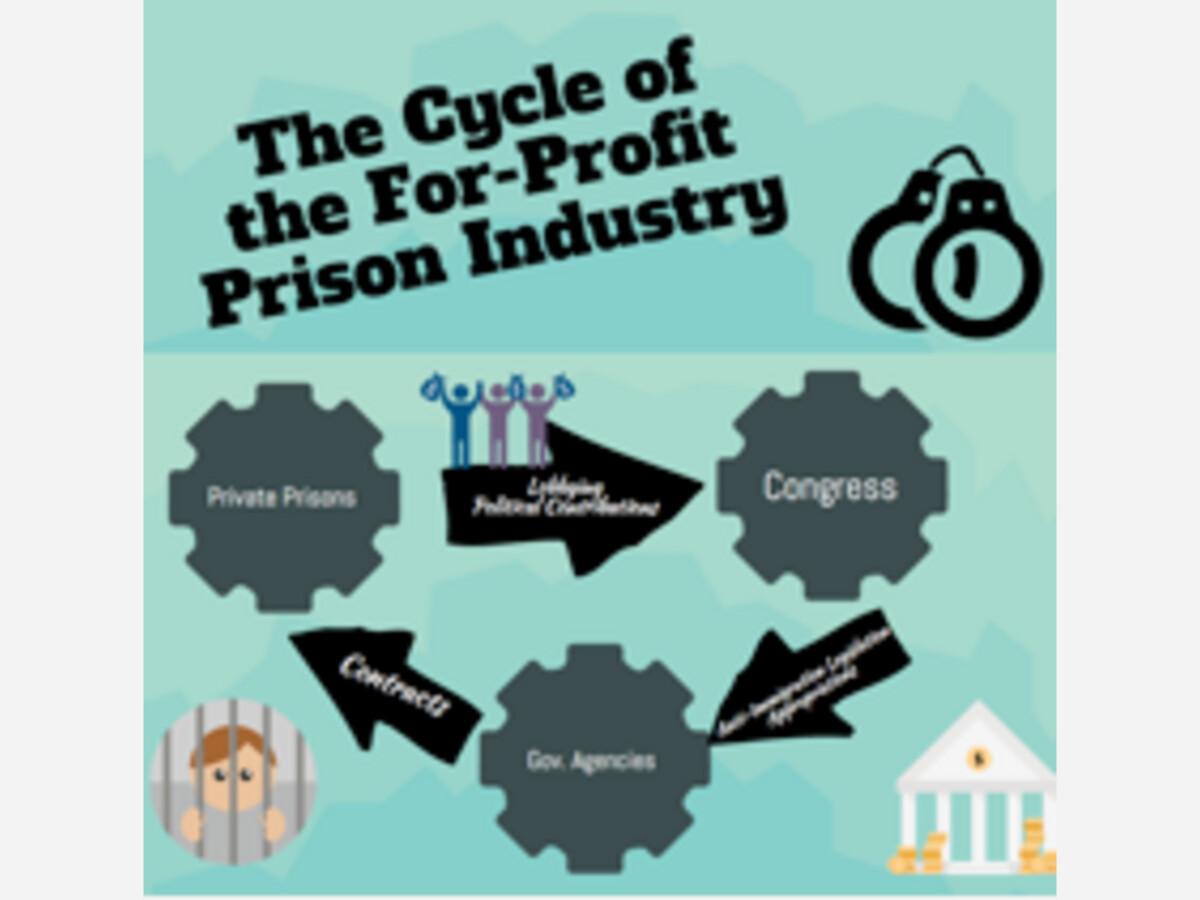
The business of housing prisoners turns people into profit margins, fostering a cycle where rural desperation meets corporate greed, but when the inmate flow dries up, the fallout is brutal—think soaring unemployment, crumbling infrastructure, and families fleeing for greener pastures.
And folks, the cautionary tales from other communities? They're downright catastrophic, serving as red flags waving wildly in the wind. Take Appleton, Minnesota, where the Prairie Correctional Facility's 2010 closure boarded up pizza joints and restaurants, skyrocketed unemployment, and drove young families away after losing $1.1 million in annual taxes and utilities—nearly 60% of the city's budget. Or Blythe, California, already dubbed a "dying" town by investigators, now bracing for Chuckawalla Valley State Prison's shutdown, which will axe hundreds of jobs and accelerate population exodus to nearby cities. Susanville, California, echoes the pain: The California Correctional Center's closure announcement last spring prompted families to sell homes they'd cherished for generations, gutting the local economy where prisons employ nearly as many as live outside the walls. And don't forget Hardin, Montana's infamous empty prison boondoggle—built in 2007 but never fully occupied, it saddled the town with millions in debt, failed bond repayments, and a shattered dream of economic revival.
These stories scream a harsh truth: Betting big on bars often leads to bust, with environmental injustices like toxic sites causing cancers and health woes amplifying the devastation.
So, who's got the edge in this fiscal thriller? Hands down, Lea County struts out as the frontrunner, armed with private facility flexibility and that golden oil cushion to weather the turbulence. Otero hangs tough with its reserves—in the General Fund—but its web of lawsuits, partnerships gone sour, and high-stakes debt makes it a middleweight contender, vulnerable to a knockout punch. Torrance? It's the underdog scraping by, its small size and pre-existing woes amplifying every blow, teetering closest to the edge without the buffers to bounce back.
For all three, the playbook screams action: Sue to stall the Act, repurpose those hulking facilities for criminal detention or fresh industries, slash non-essentials while tapping reserves, hike revenues through taxes or GRT, and beg for more than the $10.5 million statewide lifeline. Throw in tribal partnerships or federal grants near spots like Holloman Air Force Base in Otero, and there's a shot at reinvention.
Otero County folks and beyond, this isn't just numbers on a page—it's your county roads, your safety nets, your future on the line! As these counties duke it out, demand transparency, push for smart reforms, and rally together.
New Mexico's enchantment depends on turning this detention dilemma into a comeback story—will our county leaders rise to the challenge, or let the storm sweep it all away? Stay tuned, because the next chapter could redefine rural resilience.


Cloudy, with a high of 89 and low of 73 degrees. Overcast for the morning, sunny during the afternoon, cloudy overnight.











So, 1 down 3 to go. Keep slinging until the doodoo sticks?