
 59° and Clear

Tiger Critics
Neighbor
9-24-2026 8:59am
Can this be made sharable or posted to the Facebook account
I disagree with this
This is unverified
Spam
Offensive



Guest Commentary By Tiger Football Critics
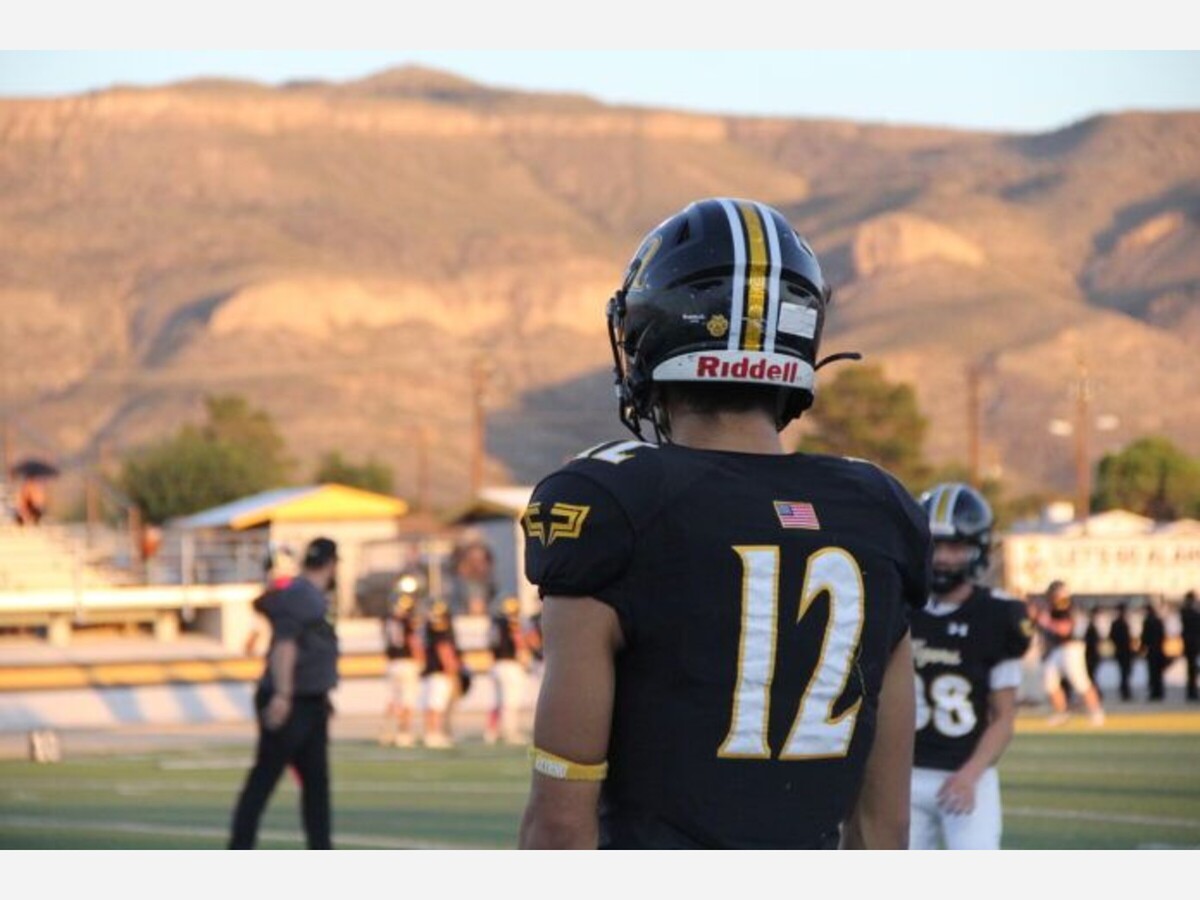
ALAMOGORDO, N.M. — For a football program with a proud history and a community that has long identified with the Tiger tradition, a difficult question continues to surface: When will Alamogordo football turn the corner?
Head coach A.J. Cisco has been at the helm since 2017, and the numbers over that span tell a story that is difficult to ignore. According to MaxPreps’ season records, Alamogordo finished 0–10 in 2017, 1–9 in 2018, 4–7 in 2019, 2–8 in 2021, 5–6 in 2022, 5–5 in 2023, 2–8 in 2024 and 4–6 in 2025. The 2020 season is listed without a completed overall record. Through those completed seasons, the Tigers have gone 23–59, with a 2025 district record of 1–5.
The 2026 season has also started with mixed results. Alamogordo opened the season with a 41–33 victory over Santa Fe, but followed that with losses to Clovis (28–20), Organ Mountain (27–0), Roswell (56–26) and an overtime win against Goddard (28–27) that should have been a cake walk. Following the Goddard game on September 18, the Tigers stand at 2–3 overall and 1–1 in District 2-5A, with the season still in progress.
The Roswell loss was particularly significant because it opened district play, with the Coyotes pulling away for a 56–26 victory at Tiger Stadium.
That record raises a larger question than wins and losses: What does the future of Alamogordo Tiger football need to look like?
Questions About Player Utilization
One of the most frequently raised concerns surrounding the program is how athletes are being utilized on both sides of the football.Critics of the current approach point to a long-running practice of using starting running backs as starting linebackers. The argument is that asking players to carry significant offensive responsibilities while also playing major defensive snaps can leave them physically exhausted by halftime. Supporters of the players, however, point to their willingness to continue competing despite the demands placed on them.
The concern is whether that toughness is being relied upon instead of creating a deeper rotation that keeps athletes fresh throughout four quarters.
Another question involves the opportunities available to players behind the starters.
For example, Qymani Patterson has become an important part of the Tigers’ offense following Bryson Bloom’s Week 1 injury. Patterson’s increased role illustrates how quickly a player can become essential when an opportunity becomes available.
There are also questions about how other skill-position players are being used. Jayden Valdez, a running back with the ability to contribute out of the backfield, could potentially provide another dimension to the offense. The issue at hand of limiting his role primarily to blocking or using him in formations where his alignment makes the direction of the run easier for the defense to anticipate may prevent the offense from maximizing his abilities.
Gabe Russell presents another example. Russell has played quarterback and other skilled positions throughout his youth career, yet his current high-school role has primarily been as the Tigers’ kicker. There are legitimate questions about whether a player with experience at multiple offensive positions could provide additional value elsewhere on the field.Brandon Williams is another athlete whose role has diminished has started discussions among fans following the program. Supporters believe his athletic ability could provide an opportunity to contribute in a larger capacity.
These examples raise a broader issue:
Does Alamogordo have enough player development and evaluation happening throughout the youth pipeline to fully understand the athletes available to the high-school program?A successful football culture doesn’t begin when players arrive at the high school. It starts years earlier.
That means high-school coaches building relationships with youth coaches, attending youth games, hosting camps, identifying talent early and establishing a consistent system that allows young players to understand what it means to become a Tiger.If that connection isn’t strong, talented athletes can reach high school without the coaching staff having a complete understanding of everything they can do.
More Than a Coaching Question
This conversation should not be reduced to blaming one coach, one group of players, or one season. High-school football programs are built over years through player development, community support, youth participation, coaching continuity, expectations and culture.But after nearly a decade under the same head coach, it is reasonable for players, parents, alumni and supporters to ask whether the program is moving in the direction the community expects.The question isn’t simply, “Can Alamogordo win football games?”
The bigger question is:“What is Alamogordo Tiger football supposed to stand for?”
Remembering the Standard
The comparison many longtime Tiger supporters make is to the era of Bruce Dollar.
Dollar took over at Alamogordo in 2003 and helped turn the Tigers into a state-level contender. In 2006, Alamogordo finished 10–3 and reached the New Mexico state championship game, ultimately finishing as the runner-up. Historical accounts identify that as Dollar’s final game coaching the Tigers.That 2006 team remains an important reference point because it demonstrated what Alamogordo football could look like when expectations, preparation and community pride aligned.
After Dollar’s departure, Alamogordo went through several coaching eras. MaxPreps records show Tommy Standefer followed Dollar, Dale Hooper later took over, and Cisco became head coach in 2017.For some former players and supporters, the period since Dollar’s departure represents something bigger than a coaching change. They describe a program that has struggled to establish a consistent identity and culture.
That is an opinion—not a measurable statistic—but it is a sentiment worth examining when discussing the future of the program.
Alamogordo Needs a Tiger Identity
The next chapter of Alamogordo football may require more than a new playbook.It may require a coach who understands what it means to be a Tiger.
That means the next coach should be someone who has worn a Tiger uniform. But there is a strong argument that the program needs leadership capable of understanding the school’s history, connecting with its community, developing young players and restoring a sense of pride around the football program.
Alamogordo needs someone who can walk into Tiger Stadium and understand that the job is bigger than Friday night.It’s about the high school coaches being involved with youth players, watching their games, hosting camps and introducing them to the culture.It’s about former Tigers who still wear their jerseys.It’s about parents who invest their time and money.
It’s about creating a pipeline where young athletes grow up wanting to become Alamogordo Tigers.And ultimately, it’s about building a culture that can survive beyond one graduating class.
The Facilities Are Changing. Should the Program?
Interestingly, Alamogordo recently invested in a major symbol of its athletic future: a new turf field at Tiger Stadium. Alamogordo Public Schools described the project as a way to honor the school’s history and traditions while providing a modern facility for athletes. Coach Cisco himself said the program was excited about the improvements and called it “a great time to be a Tiger.”
That creates an interesting contrast. The facility is changing. The expectations are changing.
So the question becomes whether the football program can change with them?
The Standard Has to Be Higher
This isn’t about disrespecting Coach Cisco or ignoring the work of the players and coaches who have represented Alamogordo.
It’s about asking a legitimate sports question:
After nearly ten years of football seasons without a sustained winning program, what needs to change?
A 23–59 record across Cisco’s completed seasons is not simply one bad season. It is a long-term trend.
And trends are exactly what athletic programs should evaluate.Alamogordo has a history worth remembering. It has players capable of competing. It has a community capable of supporting the Tigers. And it now has a facility designed to represent the pride of the community.
What it needs next is a clearly defined football identity.A coach who understands development.A coach who understands accountability.
A coach who understands the community.And perhaps most importantly, a coach who understands what it means to be a Tiger.
The question facing Alamogordo isn’t whether its football history can be revived.
The question is who will be willing and capable of building the next chapter?
Note: This is a guest commentary and may or may not represent the platform hosting the commentary.
Can this be made sharable or posted to the Facebook account

Just copy the URL and then it can be shared on your page
I follow theatres across the county, and know, this report is very sparse with details. Impossilbe to spend a million dollars on removing a fly loft, rigging and weights. New roof . . other upgrades, no where near a million bucks. The defamation should be on the managers who awarded inexperienced developers.
sounds biblical to me - the right hand knoweth not what the left hand doeth - but the underlying question is whether the right hand cares....


Sunny, with a high of 73 and low of 55 degrees. Clear for the morning, sunny for the afternoon, clear during the evening,


another useful example of a politician who is financed almost completely by special interests rather than the folks he's supposed to be representing. he represents the interests of those who pay his way...and only appeals to his voters when it comes time for re-election.



For those of the civilian public to understand. Every single Airman, marine, sailor and soldier whether Active duty or reserve or national guard has had explicit training on the UCMJ and illegal orders. This includes every “veteran for peace” It is political plain and simple.
regrettably, it might be necessary in the days of numerous respected/high ranking/decorated military leaders being fired/demoted/forced into early retirements when they fail to meet the specifications of glorious generalissimo hairgel - grapevine seems to indicate that dear leader is tiring of his various antics - e

Received that crime flyer in the mail today. Wow! Mudslinging V2.0 by the blockheads as usual.

Couple of people around Santa Fe have told me her highness has been sucking up hard to Ant to get on to a staff job when his pending doom curtain closes here. Queens never learn to really be honest. It's just in their realm of mental health. They live in denial and have pent up retentive r.e.c.t.u.m.s.
His money would have been better spent listing all of his accomplishments while in office. Oh, wait……
Voted twice against the low-income utility rate bill (HB 91) and sponsored the failed 2026 tax on renewable generation (HB 113) which the state confirmed would have further raised PNM rates. We know who has you in their pocket Block. Stop the **** lies!

Million-nine for the bakery, million for a theatre scam. These uneducated skells pass out money to sheis for what? They're not even good ideas. 3 mil and they don't know? Why doesn't we hire out side auditor like the FBI?
All that tax money. Is it true that Brien Caesar bought a four hundred k condo in wyoming last year? Heard, it's near Jackson. Someone put that stuff through. No wonder they change managers so often. Once a deals's done you don't have to stick around in this burg anymore.