Image
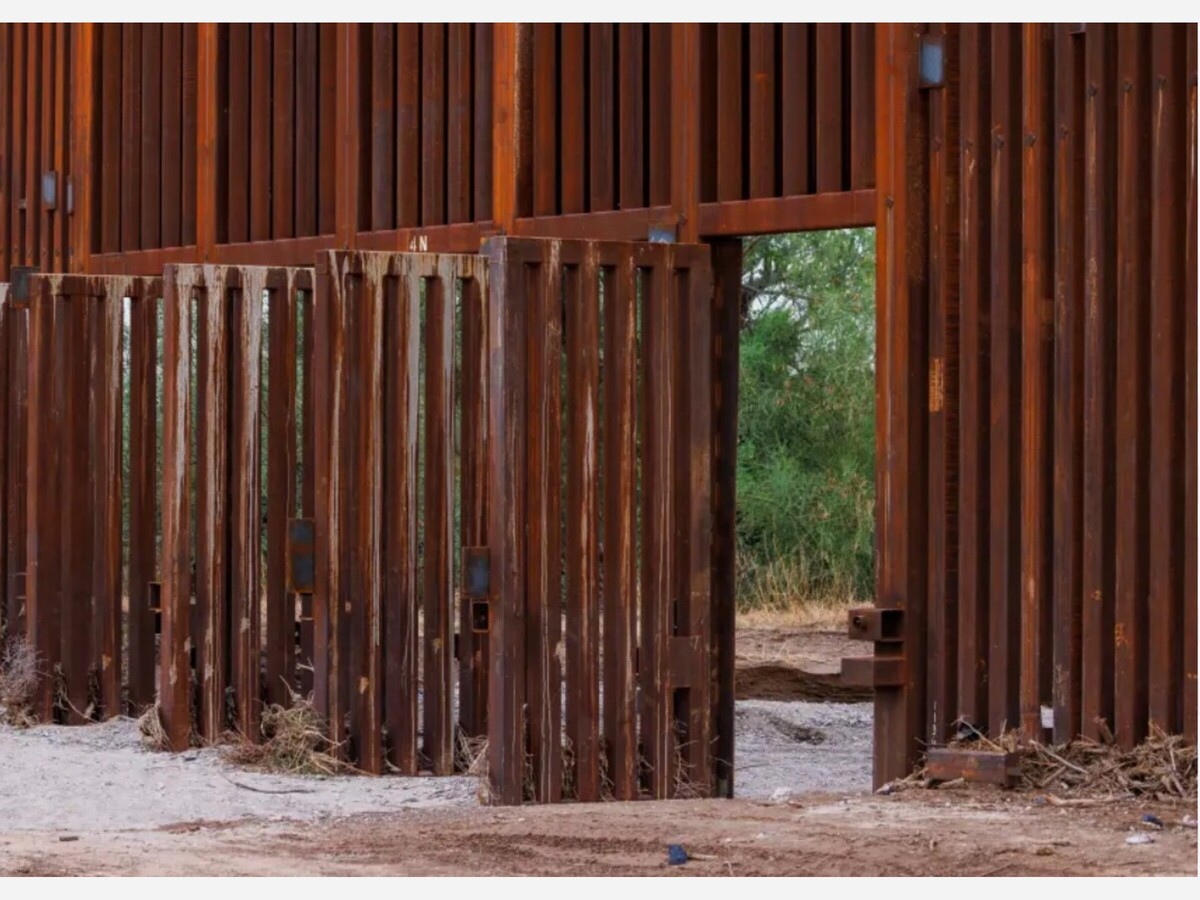



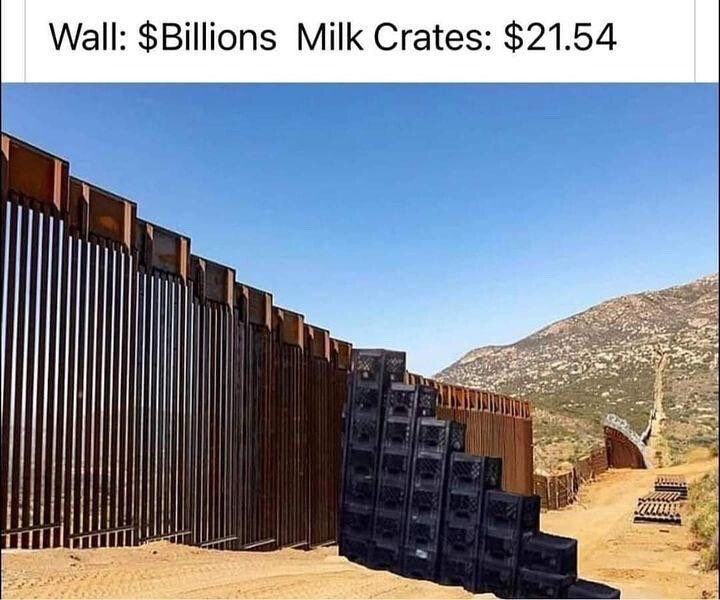
The administration in a step toward restoring order at the southern border per their statements, the Department of Homeland Security (DHS) has awarded a nearly $1.7 billion contract to construct vital border barriers and advanced “smart wall” technology in New Mexico’s remote Bootheel region.
Announced by U.S. Customs and Border Protection on January 6, 2026, the $1,679,170,000 award went to Fisher Sand and Gravel Co. (parent of Fisher Industries) for 49 miles of primary border wall and 60 miles of secondary barriers in Hidalgo County, between Border Monuments 1 and 49. The project includes patrol roads, cameras, sensors, and detection systems—creating a layered, high-tech deterrent against illegal crossings, drug trafficking, and threats to national security.
This massive investment draws from the historic One Big Beautiful Bill Act passed last year, which allocated $150 billion to DHS overall, including $46.5 billion specifically for border wall infrastructure and technology, plus $10 billion to support state and local law enforcement efforts.
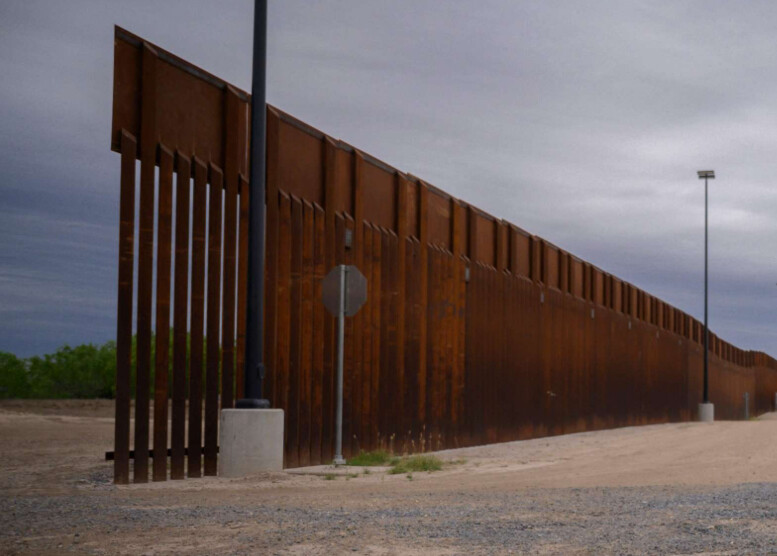
The Bootheel project targets one of the most rugged and isolated stretches along the U.S.-Mexico line, near the southern terminus of the Continental Divide National Scenic Trail. While critics whine about the remote location, proponents argue precisely that: remote, under-patrolled areas like this have long served as vulnerabilities exploited by cartels for smuggling fentanyl, humans, and other contraband. Building effective barriers here—combined with smart technology—will help Border Patrol agents focus resources where they matter most, saving lives and cutting off criminal networks.
New Mexico GOP Chairwoman Amy Barela praised the move, stating: “President Trump and Secretary Noem’s efforts on the border have, without question, saved lives, dramatically minimized drug trafficking, and protected Americans from harm. It is no surprise that Rep. Gabe Vasquez has condemned this project, as he routinely criticizes any effort to secure the border, demonizes our ICE officers, and takes issue with President Trump’s zero-tolerance policy on drug traffickers. This project makes the lives of his constituents safer, but he’s too consumed in political theater to care.”
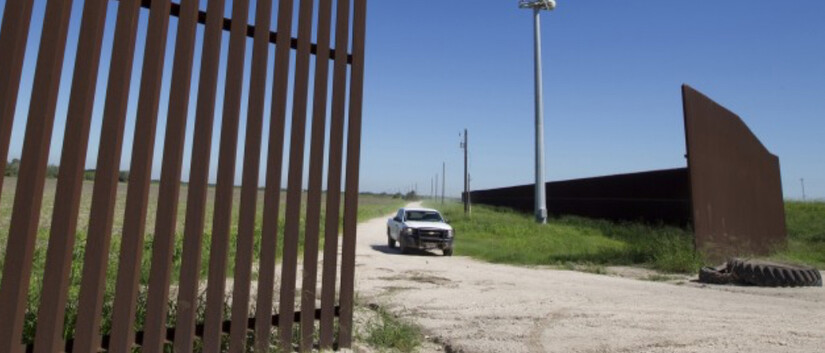
Homeland Security Secretary Kristi Noem has been a vocal champion of these efforts, previously highlighting progress in New Mexico during visits to sites like Santa Teresa.
U.S. Rep. Gabe Vasquez (D-N.M.) blasted the contract as “the absolute definition of waste,” claiming it “will do nothing to make our country safer” and urging a shift to “smart border security technology like autonomous towers and aerostats.” Vasquez and other Democrats have pushed for more surveillance gadgets over physical barriers, arguing the Bootheel’s remoteness makes walls ineffective.
Environmental groups like the Continental Divide Trail Coalition raised concerns about impacts on wildlife migration and open spaces, but national security must take priority over scenic solitude in areas long used as smuggling corridors.
This contract follows other recent awards, including smaller Bootheel projects and broader “smart wall” initiatives across the Southwest border funded by the same reconciliation package. Construction is expected to ramp up soon, bringing jobs to the region.
As New Mexicans face a fight in the state legislature concerning facilities like the Otero County Processing Center, weekly protests against Trump policies and ICE tactics yet with ongoing border challenges, secure borders are meant to offer safer communities, fewer overdoses, and restored rule of law per the administration. The Trump administration continues in its efforts around immigration with a plan seen as controversial by some and as stated by others.



Sunny, with a high of 81 and low of 62 degrees. Sunny during the morning, patchy rain nearby in the afternoon and evening, clear overnight.


Having the Sierra Club endorse you is like drinking the runoff from a lithium mine they spent a decade blocking—then calling the metallic taste “sustainability.” This phoney has a really bad dye job.
Just because you do not like someone does not make them phony.
kinda like not liking the blue kool aid so you hate all the kool aid. Besides doesn’t the editor have a vested interest in her campaign?




as per occam's razor, the simplest explanation for stonewalling a request this basic and straight forward, is that transparency will cast a bad light on lincoln county, and/or the entity they pay to run their jail.
The Albuquerque Journal (9/20/26, page C3) has a column written by Jacob Candelaria that is titled "A blacklist for people who ask too many questions". Basically, in 2025, our NM Legislators were debating House Bill 139 would have let any public body petition to have a person designated as "vexatious", and person's