
Image
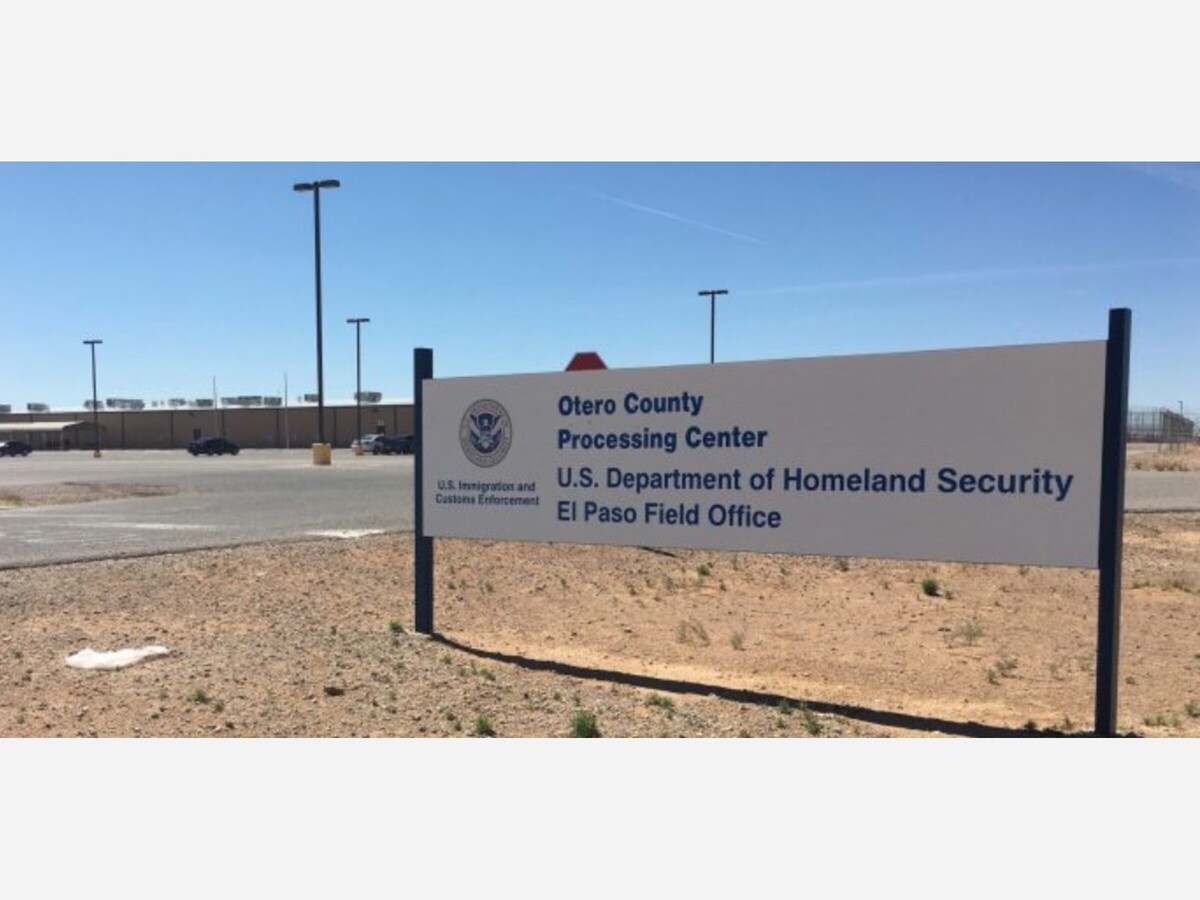



ALAMOGORDO, N.M. — As New Mexico’s 30-day legislative session begins on January 20, 2026, Democratic lawmakers, backed by Gov. Michelle Lujan Grisham, are prioritizing legislation that would prohibit state and local governments from contracting with U.S. Immigration and Customs Enforcement (ICE) to house immigration detainees. The measure, often called the “Immigrant Safety Act,” revives efforts from prior years and could directly impact the Otero County Processing Center (OCPC) in Chaparral, a major facility in Otero County that borders Alamogordo.
The bill would bar public entities—including counties—from entering or renewing intergovernmental service agreements (IGSAs) with ICE for immigration detention. Supporters, including Senate Majority Leader Peter Wirth (D-Santa Fe) and House Speaker Javier Martinez, express strong confidence in passage, citing full Democratic caucus backing and plans to advance it early—potentially within the first two weeks. Wirth described it as a way for New Mexico to “stand up” amid national immigration tensions under the Trump administration, while addressing human rights and oversight concerns in detention centers.
Gov. Lujan Grisham has included the ban on her agenda, supporting an end to the state’s role in federal civil immigration detention. Advocates argue the facilities raise serious issues, including medical neglect, understaffing, excessive solitary confinement, and documented human rights violations, with organizations like the ACLU of New Mexico, Innovation Law Lab, and congressional oversight visits highlighting problems at New Mexico sites.
New Mexico hosts three ICE detention facilities in rural counties: the Otero Processing Center (county-owned, average ~850 detainees), Cibola County Detention Facility in Milan (~217 detainees), and one in Torrance County. These operate via IGSAs, often with private operators. The legislation targets such contracts, though privately run facilities without direct local government involvement might persist in some views. A similar bill passed the House last year but stalled in the Senate; stronger Democratic control this session boosts prospects.
Opponents are anticipated to contend that immigration enforcement is a federal matter, and a ban could trigger legal challenges, federal pushback, or economic fallout in host counties through lost jobs and revenue.
In Otero County—home to the OCPC—the proposal carries particular weight. The facility, owned by Otero County and operated by the private company Management and Training Corporation (MTC), has a maximum contractual capacity of 1,089 detainees. It frequently runs near or above that, with reports from mid-2025 describing it as “bursting at the seams” with over 1,100 people during a congressional visit. Recent averages hover around 850 detainees, making it one of the state’s busiest ICE centers.
MTC manages daily operations, employing staff in roles like correctional officers, medical personnel, food service, and administration. While exact 2026 figures aren’t publicly detailed, MTC facilities typically provide dozens of jobs, drawing from rural areas including Alamogordo and Chaparral. Regular job postings for detention-related positions contribute to the local workforce in a region with few major employers.
Economically, the OCPC generates revenue for Otero County via the ICE contract, but the impact remains modest— in recent years (e.g., roughly $457,730 in one reported year), dwarfed by sources like the nearby Otero County Prison Facility (also MTC-operated).
Critics from groups like the ACLU of New Mexico and People over Private Prisons contend private detention contracts yield limited broad benefits, with minimal effects on unemployment and occasional financial strains from bond debt tied to infrastructure. Proponents emphasize reliable revenue and jobs in a sparse rural economy.
The Otero County Commission holds direct involvement: As owner, it maintains the IGSA with ICE, which the bill would bar renewing. The Otero County Commission has historically backed extensions to safeguard revenue and employment, including retroactive agreements during lapses (e.g., a 2025-2026 extension to March 15). Officials have cited tens of millions in bond debt (approximately $45.2 million outstanding through 2028 in some analyses) as a closure barrier, though experts and advocates argue reserves and options exist to manage payments without the contract.
If enacted—prioritized early in the session—the law would compel Otero County to end its role, potentially shifting operations, closing the ICE function at OCPC, or triggering debates over jobs, revenue, and local impacts.
Alamogordo Town News and KALHRadio.org has sent sn email to Commissioner Amy Barela and County Attorney RB Nichols for comment and impact to the county and budgets if the legislation passes. Once a response is received we will update part two in the series of articles related to legislation that could have a direct impact on the Otero County budgets and economy.
However, the facility’s proximity and economic ties make the issue likely to draw heightened local attention amid broader discussions on state-federal relations, public safety, and immigrant rights.
The session concludes mid-February, with fierce debate expected.

i have known a number of people, both men and women, who have worked as federal/state/local prison staff - and heard their stories...it does not sound appealing. but, it is a job, and in these uncertain times that is better than no job.
however, to deserve my support, i would request this condition for any incarceration - no one should ever be held there who has been denied due process as specified in the constitution and laws of this nation. and the policies currently in place make a mockery of those laws.



Sunny, with a high of 74 and low of 54 degrees. Sunny for the morning, clear in the afternoon and evening,





The choice we have this year is between a sliperycoxsuker and an exabuser. Can one straight person step up for us to support?
I find it interesting that the rhetoric posted is eerily similar amongst all these brave individuals with their interesting stage names. Too bad they didnt use a good one like Biggus Dickus.


Very grateful to Hilary Clinton and Kamala Harris for showing us what happens when political ladies have vision. Looks like a smoky cloud; she's pushing around.


They'll do the right thing. Vote for Gracie, a political lady, with vision in the smoky tradition.