74° and Moderate rain at times

Strengthening the Data on Firefighter Health: A Call for Broader Participation from Southern New Mexico’s Military Fire Service


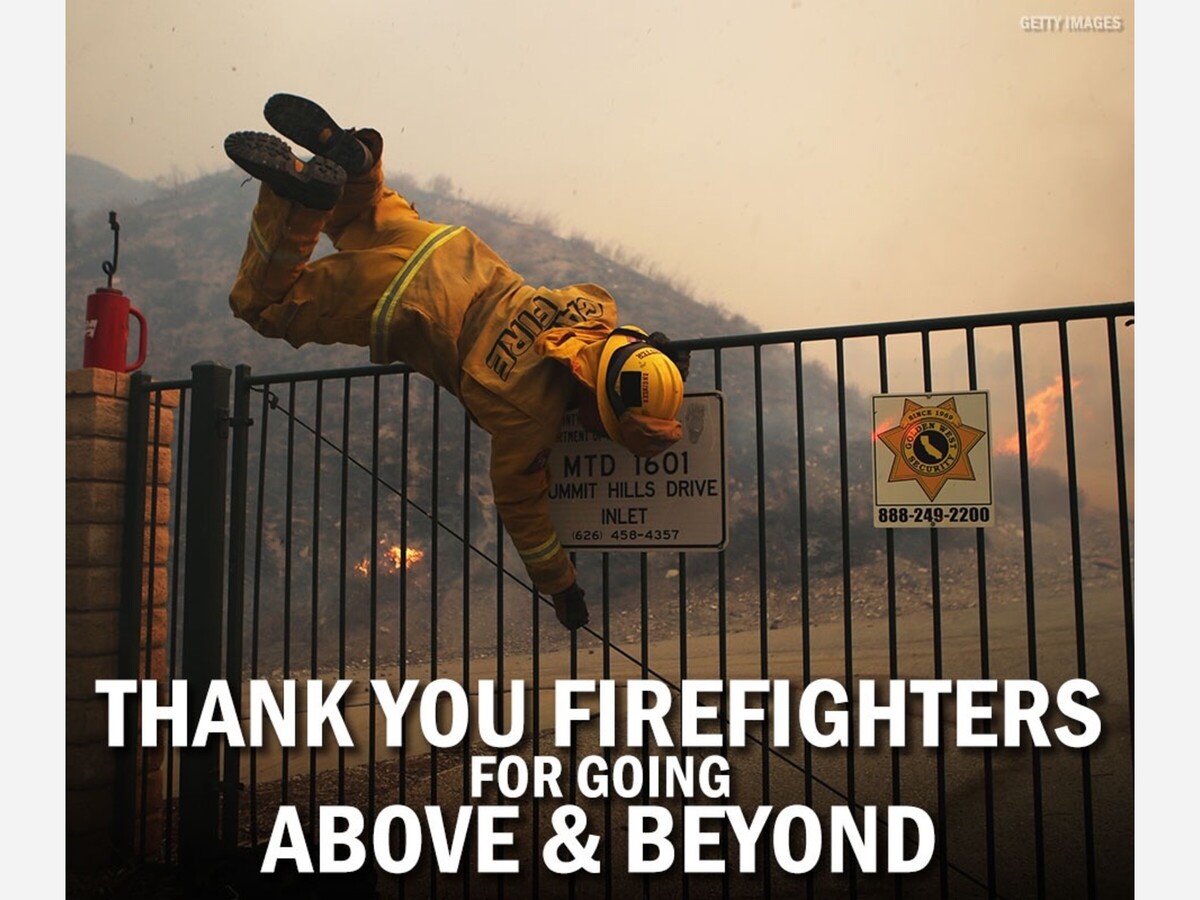
At their core, firefighters serve as a critical emergency response force in communities across Southern New Mexico, including in Alamogordo and the broader Otero County region. Whether career or volunteer, these personnel are routinely called upon to manage structural fires, traffic accidents, chemical spills, and other incidents requiring rapid, decisive interventions. Such a mandate is also closely mirrored in the military fire protection units carrying out similar duties to safeguard troops and operational facilities. Alongside these immediate demands, however, there is an expanding recognition of dire health issues associated with the profession. As is known, repeated contact with smoke and combustion byproducts has been increasingly linked to myriad illnesses—most notably cancers. As such, in response to this escalating concern, Congress passed the Firefighter Cancer Registry Act of 2018, which directed the Centers for Disease Control & Prevention (CDC) to create a National Firefighter Registry to understand better how occupational exposures can translate into lasting health outcomes. But then bringing this goal into fruition entails one crucial element: it is only possible if those most affected willingly participate and are meaningfully represented in the data.
The Drastic Repercussions of Firefighting on Service Members
Fire suppression has always entailed combating immediate, visible danger. Yet unknown to many, a substantial portion of its most serious consequences can only emerge over time through repeated contact with perilous substances. And such is largely due to the environments responders encounter during regular operations. When buildings or industrial sites burn, they release a variety of unsafe agents such as volatile and semi-volatile organic compounds, asbestos, per- and polyfluoroalkyl substances (PFAS), carbonyl compositions, lead, and other fine particulates. Similarly, firefighters may also encounter toxic exposure when responding to leaks and spills, as these events are notorious for emitting persistent organic pollutants, heavy metals, toxic gases, and trace elements. More alarmingly, while these threats are already inherent in any emergency response, they can be further amplified in military fire operations.
In addition to conventional situations, service members are also frequently tasked with managing higher-risk scenarios—such as aircraft-related incidents, fuel-based blazes, and more extensive training exercises—which often involve materials and conditions that introduce a wider range of potential exposures. For instance, fires aboard naval vesselscan be particularly hazardous, especially as confined compartments, mechanical systems, and even the structural components may discharge asbestos fibers, petrochemical residues, hydraulic fluids, lead, and solvent-based compounds when subjected to heat. In such settings, restricted airflow and prolonged suppression activities can concentrate airborne contaminants, increasing the likelihood of inhalation or ingestion for first responders. Beyond the environments themselves, exposure risks are also shaped by the specific tools utilized during readiness exercises and emergencies, among which is aqueous film-forming foam (AFFF).
Invented in the 1960s to rapidly extinguish flammable and combustible liquids, this firefighting agent has faced considerable scrutiny over the years—mainly because of its PFAS compositions that can linger in the soil, water, and human body for extended periods. Given this disconcerting reality, it is not entirely surprising that the latest environmental monitoring has identified severe contamination at more than 720 military installations across the country, including Holloman Air Force Base in Otero County, New Mexico. Within this broader context, repeated exposure transpiring during firefighting activities has contributed to long-term health implications, primarily different forms of cancer. And regrettably, such a crisis continues to impact the firefighting population in Southern New Mexico and nationwide—with approximately 66% of line-of-duty deaths documented among career personnel between 2002 and 2019.
Why Participation Matters for Long-Term Firefighter Health Protection
Assessing the intensity of occupational cancer risk requires comprehensive service histories to uncover patterns that any individual departments or regions may miss. Amid this, the National Firefighter Registry for Cancer—created by the CDC in 2023—becomes even more vital, being a tool that can systematically gather crucial data from all fire service personnel, including retired, former, and active military firefighters. Through integrating records from disparate systems, such a groundbreaking initiative empowers researchers to detect trends across various fire departments, job roles, and timeframes that would otherwise remain obscured in fragmented datasets. More importantly, with unified participation, this new platform can definitely drive improvements in exposure mitigation strategies, protective measures, and long-term health monitoring for those who serve. Beyond research, the registry also seeks to inform how occupational illnesses are evaluated within federal benefit systems.
For both active personnel and veterans, consolidated data can especially bolster the scientific foundation used by the Department of Veterans Affairs when considering access to healthcare services. While some service-related conditions are already granted presumptive coverage under the Honoring Our PACT Act, other ailments—like those associated with PFAS exposure—have not yet been formally recognized, placing the burden of proof on claimants to establish a direct connection between their diagnosis and active duty. Nevertheless, the registry can help ease this concern by creating an evidence base that can clearly demonstrate how certain diseases appear across the fire service, rather than relying on individual claims. The ultimate challenge now is that materializing these objectives hinges greatly on the eagerness of firefighters to partake in the endeavor. As of April 14, 2026, the registry has successfully enrolled nearly 47,400 participants from all states, with over 300 individuals from New Mexico alone. And while this statistic indeed reflects a steady commitment to capturing occupational exposure histories, it represents only a small fraction of the more than one million first responders manning almost 27,200 departments. Until more firefighters participate, this underrepresentation remains a barrier to comprehensive national-level analysis and the timely development of targeted policies.
About the Author
Cristina Johnson serves as a veteran advocate at the Asbestos Ships Organization, a nonprofit that raises awareness of veterans’ exposure to toxic substances.