
Image
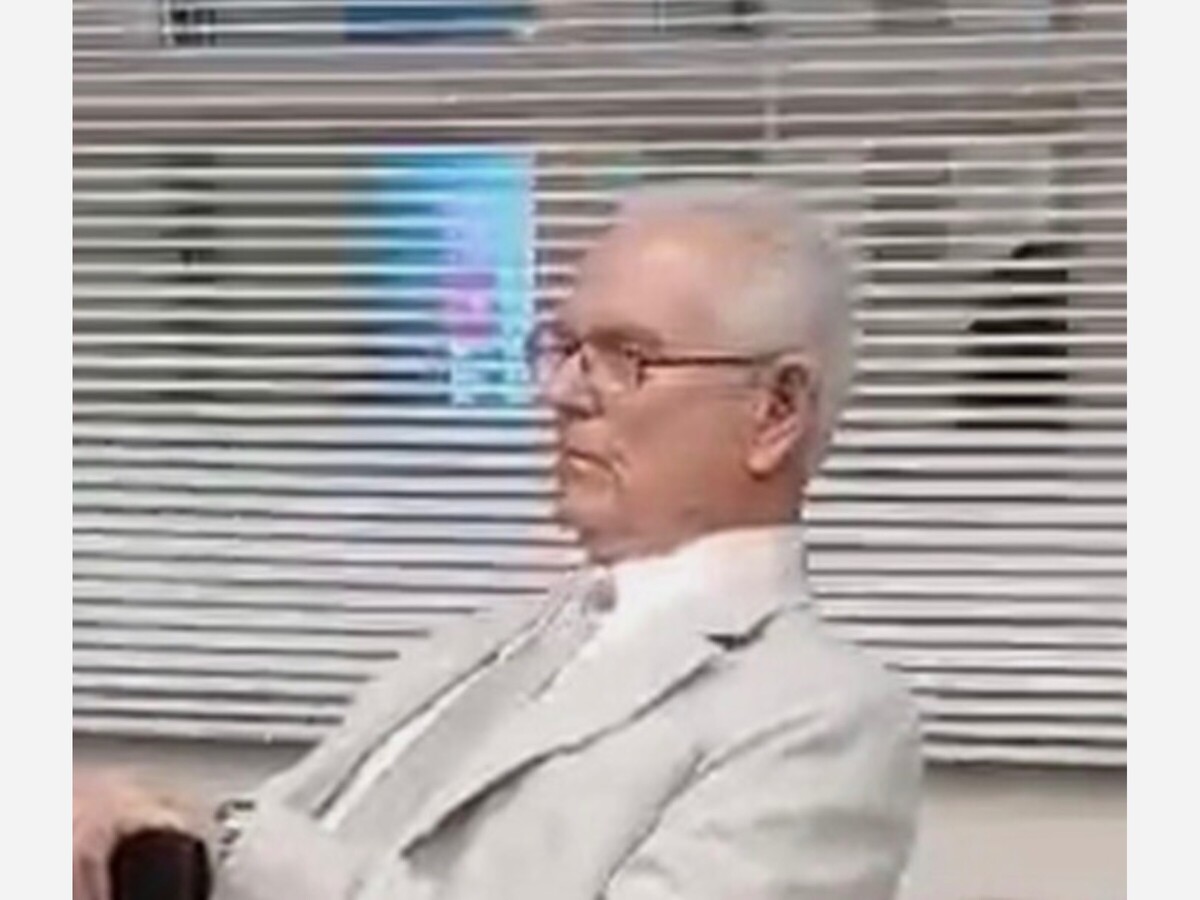



ALAMOGORDO — City Manager Robert Stockwell told the City Commission this week that the city's recent infrastructure projects ran over schedule and piled up change orders because they were "insufficiently designed" and "rushed to bid." He said he has directed staff to hold new projects until they are "really ready to go."
The projects he singled out were designed by contracted, on-call engineering firms, not city staff. Those firms are still working for the city. One such firm just launched design work on the city's new aquatic center and is attached to several other projects now waiting on Stockwell's review.
This raises a question his explanation did not answer. If the old designs were the problem, what has changed now that the same firms are doing the new work?
Stockwell spoke near the end of the meeting. He said he was responding to social media criticism that the city has been slow to bid capital projects since he arrived about 90 days ago. He said he does not read those posts himself.
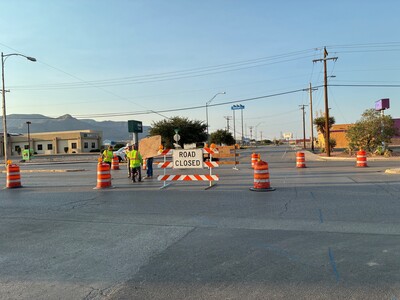
"I think it needs to be reminded when we look at the recent experience that the city has had, like on the reconstruction of Oregon Avenue, a project that should have been completed in months took over a year, had multiple change orders because the project was improperly designed, well, insufficiently designed, bid out, and then multiple change orders over the months," Stockwell said.
He went on to criticize three more projects:
"What I have directed staff to do, and why you are not seeing projects coming forward right now, is … take a very close look at all of the projects that are already in the design and preparing to go to bid, so that we don't make those same kind of mistakes again," he said.
He also said contractors who expect to profit from change orders are "the kind of contractors we don't want." He closed with: "If that means I'm not very good at my job, then I'll take that."
Stockwell did not name any engineering firm or say what specific design flaws he had found. He also gave no dates for when the projects under review would go to bid.
According to people familiar with the city's capital program, the only recent project designed in-house by city staff was White Sands Boulevard to 1st Street. Oregon Avenue Phase 1, the 10th Street culvert, Great Blocks and Fire Station 2 were all designed through the city's on-call engineering contracts.
Those contracts are still in place. The same contracted firms also designed projects that are now on hold, including Granada Hills, the well transmission line and Oregon Avenue Phase 2. Oregon Phase 2 has already had four design walkthroughs.
Stockwell has also presented contracted project management as an improvement. However, the city already paid for professional construction-management services on earlier projects, including Oregon Phase 1.
Commission records show that much of the extra work Stockwell described as design failure was scope the city added during construction.
In several cases the commission approved those additions unanimously.
Oregon Avenue Phase 1. The street was designed before voters approved the pool. Once the natatorium went ahead, the city chose to add water and sewer service for it during construction instead of cutting into a brand-new street later with approval by the very commissioners now questioning the decisions that they encouraged.
The two change orders were:
They added 60 and 149 days. The second order cited weather, unmarked utilities and the need to keep a traffic corridor open. It passed unanimously by this very set of commissioners via multiple votes and approvals.
10th Street culvert. The city knew the structure had problems. A crack under the bridge had gone unaddressed for about a decade and was an emergency due to failure to properly inspect bridges and a failure of the commission for over a decade in oversight. Staff were facing a grant deadline, and commissioners were pressing to reopen the road. The project's one change order was $43,850 to relocate a 10-inch reclaimed-water line that was not where the plans showed it. It was approved 6–0. The work was funded as a repair. Full replacement of the bridge was never in the budget.
Great Blocks. The project began several city managers ago with state MainStreet money that had a deadline. Staff publicly acknowledged at the time that the inherited design was weak. Its largest change order was $605,627.55 for a pedestrian hybrid beacon, one-way signage, striping, sidewalks and alley work. That work was added after public pressure over the traffic changes; it was not in the original design. Flooding concerns were raised during construction, not recently. Staff met with the engineer, the contractor and affected businesses. The city refused to consider correcting the issue. Requests for further fixes were limited by the finance department. The city project manager at the time had no authority to make the suggested fixes. The city is now facing possible litigation in the termination of that project manager under questionable circumstances and a potential claim by the business owners for damages to their building and merchandise due to flooding as a result of the city failing to act preemptively even after being notified. The responsibility of the flooding clearly was recognized and the finance department and the commission ignored the issue.
Fire Station 2. The city moved funding for this project from an Indian Wells-area station to a fire administration building and finally to Fire Station 2, with a state deadline approaching. The design went through departmental and state review. The $83,068.08 change order for apparatus-bay doors drew the most criticism. City staff had planned to buy the doors through an existing purchasing agreement. Finance instead required them to go through the construction contract. A third change order of $143,368.79 was tabled Sept. 8.
Several commissioners praised Stockwell's remarks and failed to accept responsibility for their votes and their role in the change orders. Those very commissioners also approved the change orders and extensions now being cited as evidence of poor planning. Some of them pushed staff to finish faster and reopen streets sooner. In the case of 10th Street, that included visiting the site.
Under the most recent city manager Dr Hernandez, the city completed 22 capital projects. Stockwell's remarks did not mention them and paints a view that is not supported by the record of projects completed or public funds expended.
Local contractors have told this outlet they are frustrated by the pause and the Stockwell narrative is not reality and not what Commissioners Rardin, Burnett and Patillo promised them. They say several projects that appear ready to bid have no schedule and the explanations on delays are not truthful.
Citizens are getting more and more upset as the increased expenses of water and sanitation collections pile into the city coffers and roads and infrastructure continue to deteriorate with false narratives and false promises by an embattled city manager that was supposed to move projects forward quickly.
Stockwell says the pause will prevent repeat mistakes. He has not said what deficiencies the review has found in the current designs, what is being corrected, or when any of the held projects will go out to bid.
The International City/County Management Association's code of ethics calls on members to show professional respect for colleagues, including predecessors, Stockwell’s MO appears to be to blame predecessors versus owning the issues at hand. Meanwhile citizens are frustrated, water bills increase and roads continue to deteriorate all the while the city faces even more employee turmoil and potential litigation.
Stay turned for a litigation update in the upcoming weeks and it’s expected cost to taxpayers as a result of this administration’s actions.

Very grateful to Hilary Clinton and Kamala Harris for showing us what happens when political ladies have vision. Looks like a smoky cloud; she's pushing around.

Sunny, with a high of 78 and low of 63 degrees. Sunny for the morning, clear during the afternoon and evening,
They'll do the right thing. Vote for Gracie, a political lady, with vision in the smoky tradition.

truly international sports are a great thing for all concerned - and doing this up right is a feather in ruidoso's hat!

glad there is fine weather for these events, and pleased to see this feather in ruidoso's cap.