
Image
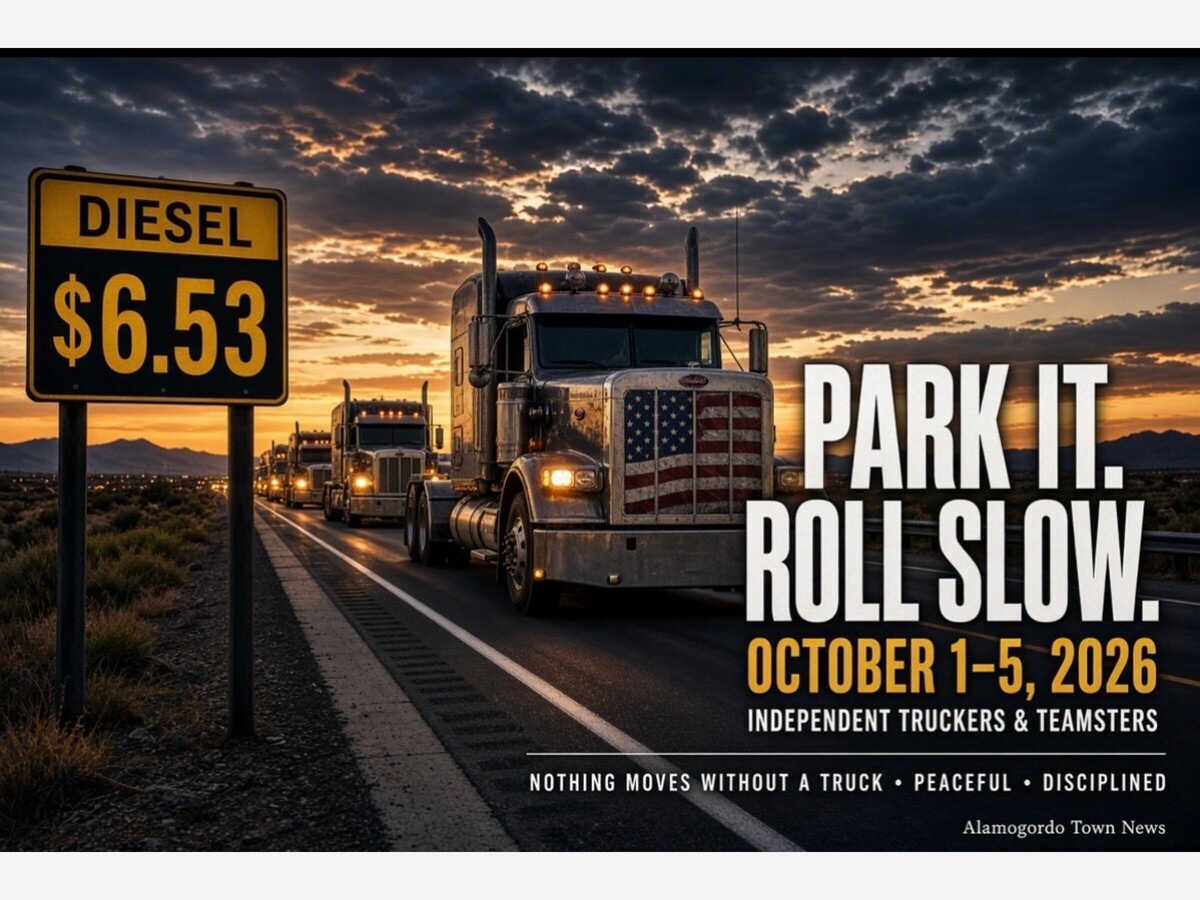



Independent trucking interests and a vocal group within the teamsters has declared that enough is enough! A small but growing organic group of leaders in the trucking industry is calling out to independent media to get the word out to independent truckers and teamsters to park it and or roll slow, October 1–5, 2026
America's truckers are hauling the nation's food at a loss, and Washington is looking the other way. Diesel has hit the highest prices ever recorded, families are paying more for everything on the shelf, and the President and Congress have offered drivers little more than talk. From October 1 through October 5, independent owner-operators and Teamsters must stand together, park their trucks, roll slow through the nation's cities, and demand that Washington act.
The crisis at the pump
Two years ago, in the week of September 23, 2024, the national diesel average was $3.54 a gallon. For the week of September 21, 2026, it reached $6.529, with the Midwest at $6.680, the East Coast at $6.268 and the West Coast at $7.456.
The cause is no mystery. The war with Iran has closed the Strait of Hormuz to a large share of oil and refined-product shipments for more than six months, while Ukrainian strikes on Russian refineries have led Moscow to ban diesel exports. Drivers didn't start these wars, but they are paying for them at every fill-up.
What it costs to feed America
Take a refrigerated load of lettuce or strawberries leaving California's Central Valley. Two years ago, a run of about 2,200 miles from Fresno to Chicago cost a trucker roughly $1,520 in fuel. Today the same trip costs about $2,770, an increase of around $1,250. A 3,000-mile run from Fresno to New York has climbed from roughly $2,040 to about $3,700, an extra $1,660 on a single load. Fuel alone has gone from about 69 cents a mile to roughly $1.25.
For an owner-operator running 100,000 miles a year, that adds close to $50,000 in annual fuel costs. Many never see that money back, because most owner-operators with their own authority get freight through brokers on the spot market, where a separate fuel surcharge isn't necessarily paid. The driver fronts the cost of the diesel, and too often the rate doesn't cover it. In California, some truckers are filling up only enough for the day, hoping prices ease by their next shift.
For shoppers, the extra fuel on a coast-to-coast load works out to about 4 cents a pound of produce. For the trucker paying that bill up front, it's the difference between feeding a family and parking the truck for good.
We've won before
Truckers have been here before, and history shows what unity can do. In December 1973, a Kansas driver known on the CB as "River Rat" stopped his rig on Interstate 80 in Pennsylvania and sparked a movement that gave independent truckers their first national voice. In early 1974, as a nationwide shutdown spread, President Nixon froze diesel prices in an effort to end it.
When the Iranian Revolution triggered a second oil shock, about 75,000 truckers struck in 1979, calling for a diesel price freeze and subsidies for independent owner-operators. The protest lasted about a month, and fresh produce piled up in warehouses as picket lines slowed fuel terminals. It won a temporary mandatory fuel surcharge.
The lesson is plain: when truckers stand together, Washington moves. When we stand alone, we get picked off one load at a time.
Why independents and Teamsters must unite
Today's industry is more divided than it was in 1979. More than 350,000 truckers work as independent contractors, and only a small minority of drivers belong to a union. That division is exactly why unity matters now.
Independent owner-operators bring the numbers on the spot market and the freedom to park. The Teamsters, and the broader labor movement including the AFL-CIO, bring organization, political muscle and a voice in Washington. Together, drivers can make the case that record fuel costs aren't just a trucking problem. They are a crisis for every working family in America.
The call to action: October 1–5
Park it. Independent owner-operators, stay off the load boards and keep your trucks parked for five days. Let empty loading docks and quiet truck stops show what America looks like without us.
Roll slow. In major cities and on the beltways around the capitol, join slow-roll convoys that bring traffic to a crawl and put the fuel crisis in front of every commuter, reporter and lawmaker. Convoys keep moving. They leave a lane open for ambulances, fire trucks and police, and organizers notify local authorities ahead of time. The goal is to be impossible to ignore, never to trap a family on the way to the hospital.
Stand with us. Teamsters and AFL-CIO leaders, speak out publicly for these drivers, join the rallies, and press Congress on their behalf. Union members should check with their locals before any walkout, since many contracts contain no-strike clauses, but every member can show up, speak out and flood their representatives' phone lines.
Show up. Rally at state capitols, truck stops and congressional offices. Bring your fuel receipts. Bring your families. Tell your story.
Our demands to the President and Congress
Suspend the federal diesel tax until prices come down. Require a fuel surcharge that goes directly to the driver who buys the fuel, including on broker loads. Provide emergency relief for small trucking businesses and farmers crushed by fuel costs. And protect families facing higher prices for food, goods and heat this winter.
Discipline wins
This movement will be peaceful. No trucks stopped across lanes, no threats, no harassment of drivers who keep working. The violence that marred the 1970s strikes cost truckers public support and gave politicians an excuse to dismiss them. Today, one ugly video can erase a week of sacrifice. Our strength is our numbers, our discipline and the simple truth that nothing in this country moves without a truck.
Families are in crisis, and Washington is looking away. For five days, let's make sure they can't.
October 1–5. Park it. Roll slow. Stand together. Make them act.


Sunny, with a high of 61 and low of 44 degrees. Sunny during the morning, clear during the afternoon and evening,

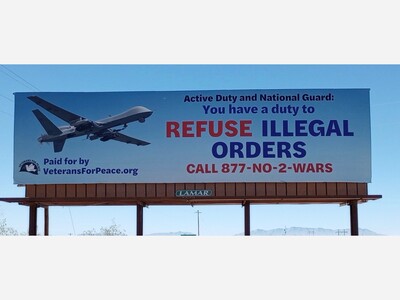

For those of the civilian public to understand. Every single Airman, marine, sailor and soldier whether Active duty or reserve or national guard has had explicit training on the UCMJ and illegal orders. This includes every “veteran for peace” It is political plain and simple.
regrettably, it might be necessary in the days of numerous respected/high ranking/decorated military leaders being fired/demoted/forced into early retirements when they fail to meet the specifications of glorious generalissimo hairgel - grapevine seems to indicate that dear leader is tiring of his various antics - e
Received that crime flyer in the mail today. Wow! Mudslinging V2.0 by the blockheads as usual.


Couple of people around Santa Fe have told me her highness has been sucking up hard to Ant to get on to a staff job when his pending doom curtain closes here. Queens never learn to really be honest. It's just in their realm of mental health. They live in denial and have pent up retentive r.e.c.t.u.m.s.
His money would have been better spent listing all of his accomplishments while in office. Oh, wait……
Voted twice against the low-income utility rate bill (HB 91) and sponsored the failed 2026 tax on renewable generation (HB 113) which the state confirmed would have further raised PNM rates. We know who has you in their pocket Block. Stop the **** lies!

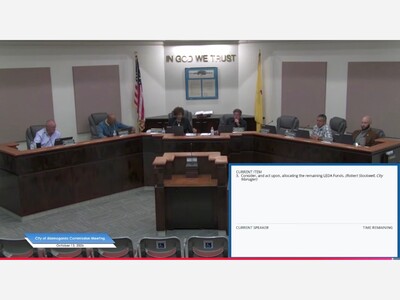
Million-nine for the bakery, million for a theatre scam. These uneducated skells pass out money to sheis for what? They're not even good ideas. 3 mil and they don't know? Why doesn't we hire out side auditor like the FBI?
All that tax money. Is it true that Brien Caesar bought a four hundred k condo in wyoming last year? Heard, it's near Jackson. Someone put that stuff through. No wonder they change managers so often. Once a deals's done you don't have to stick around in this burg anymore.


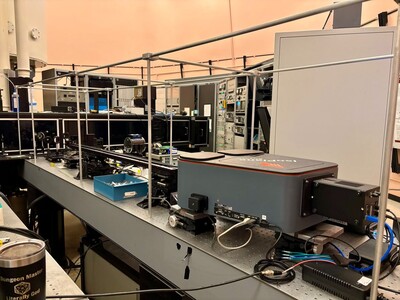
Is there any chance that the Forest Service will allow Sunspot to remain open, after the demolition is completed?