65° and Clear
Image
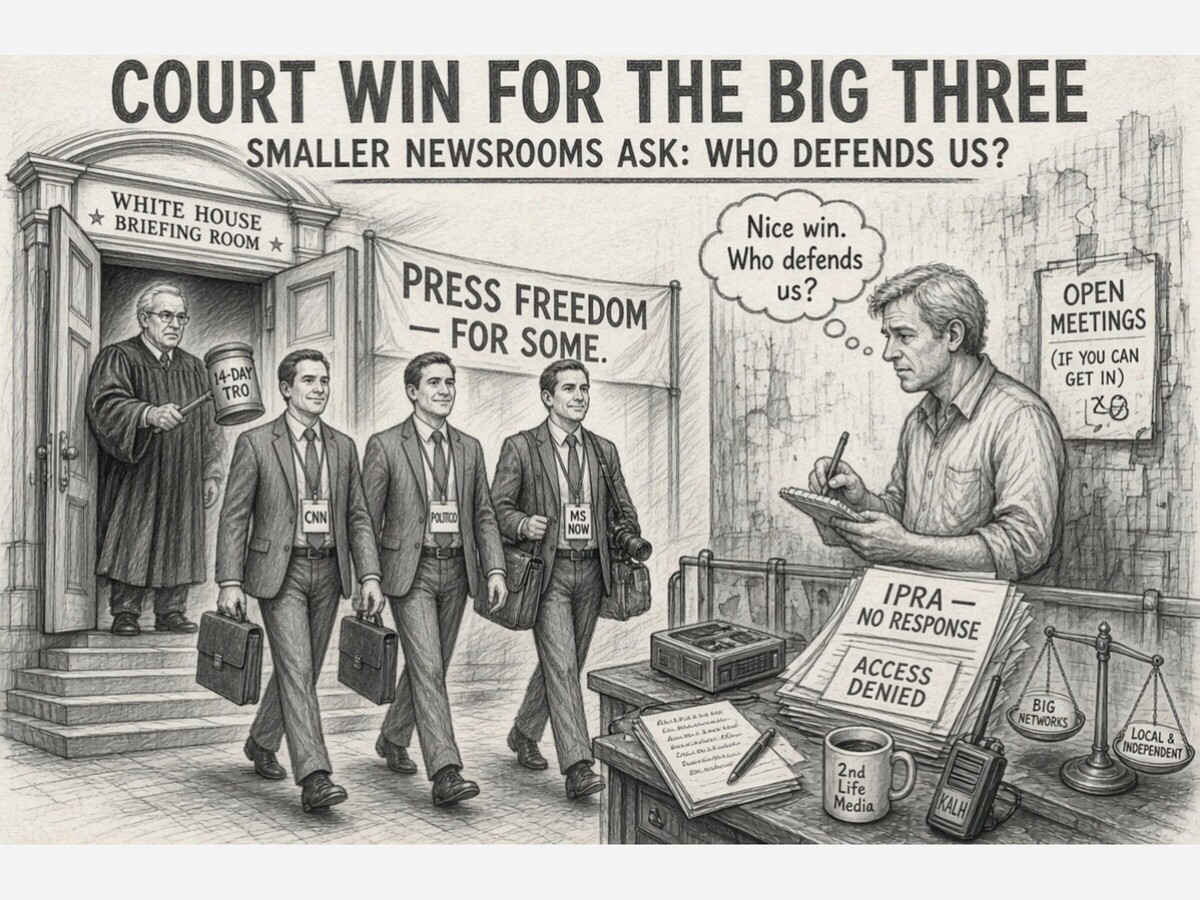



WASHINGTON — A federal judge early Thursday ordered the White House to restore access for CNN, MS NOW and Politico, temporarily blocking President Donald Trump's ban on the three outlets. Independent publishers and local newsrooms say the fight has implications well beyond the briefing room.
U.S. District Judge Timothy Kelly issued a 14-day temporary restraining order, finding the outlets were likely to prove their press passes were pulled without due process. Kelly, a Trump appointee who restored a CNN reporter's credentials in a similar 2018 dispute, also said the White House needs clear rules for what conduct can cost a journalist their pass. He called the standard in the administration's letters to the outlets "so vague it hardly does the trick."
Trump announced the ban last Friday, first calling the outlets "fake news" and later arguing that their reporting posed a national security risk. In a joint lawsuit, the outlets said they were being punished for the content of their coverage, a core First Amendment violation. Their attorney, Theodore Boutrous Jr., praised the ruling as a win for press freedom and the rule of law. The White House did not immediately comment.
A fight most newsrooms couldn't afford
The three outlets won quickly because they could move quickly. They had a nationally known First Amendment litigator, a joint legal strategy and the resources to get a hearing within days. Most of the country's newsrooms have none of that.
Local papers, public radio stations and independent digital outlets often run on thin budgets with no in-house lawyer. When a public utility office fails to respond to IPRA requests, a sheriff ignores press inquiries, or a school board shuts a critical outlet in responses, many small newsrooms simply absorb the loss. For Alamogordo Town News legal reporter advise is our second largest expense.
Press freedom advocates have long warned that exclusion tactics tested at the national level tend to spread. The White House has already clashed with the Associated Press over Oval Office access and taken control of which outlets join the rotating press pool, a role long managed by the White House Correspondents' Association. Many smaller and regional outlets relied on that pool system for their only direct view of the presidency.
Why the ruling still matters locally
Kelly's reasoning could be useful to local journalists even though it only binds this case. His emphasis on due process and clear, content-neutral standards echoes principles that reporters can raise when a city hall or state agency ignores press inquiries.
Groups such as the Reporters Committee for Freedom of the Press offer free legal help to journalists facing access fights, and some states have press associations that do the same. Local editors say many reporters don't know those resources exist until they need them.
What comes next
The order lasts two weeks, and the government can seek to extend the dispute or appeal. For now, reporters from the three outlets can return to the White House grounds.
For newsrooms without national reach, the lesson may be less about this outcome than about preparation. Access, they say, is easiest to defend when a legal plan is in place before it's taken away. Alamogordo Town News stays vigilant in protecting press access and the use of IPRA and Open Meetings Act access to ensure local media access and transparency to the public.

A couple of things you need to learn: #1) Low barriers to entry. In strategic analysis, the lower the barrier to entering a market, the less profit. This is the case with your blog. You can write anything you think and profess its relevance. But there's no profit to be made. Just bee-ess. #2) The Constitutional authority of the Executive Branch is higher than "a court". These podunk morons are trivial interruptions in the process of Executive Actions. That's been the case in the prior hundred local 'actions'. Wise up if you're at all interested. Because your blog is a perfect example of the pee-poor, low-barrier internet sites that levitate themselves into pearl-clutching menstrual cramps over their delusions and hissy fits.
And yet you read it and had to comment Obviously we did our job.
If your intent is to start discussion about local politics, nailed it.
Very grateful to Hilary Clinton and Kamala Harris for showing us what happens when political ladies have vision. Looks like a smoky cloud; she's pushing around.

Sunny, with a high of 77 and low of 59 degrees. Sunny in the morning, clear for the afternoon and evening,

The choice we have this year is between a sliperycoxsuker and an exabuser. Can one straight person step up for us to support?


They'll do the right thing. Vote for Gracie, a political lady, with vision in the smoky tradition.
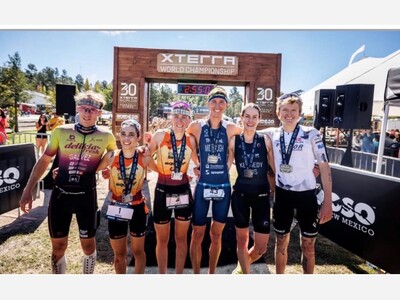
truly international sports are a great thing for all concerned - and doing this up right is a feather in ruidoso's hat!