67° and Cloudy
Image




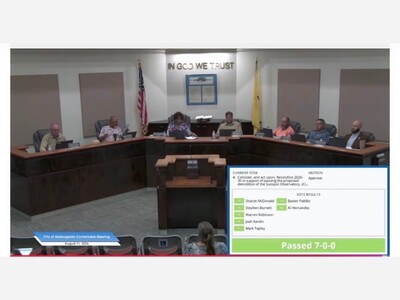
TULAROSA, N.M. — Facing a shrinking river and the threat of future water shortages, the Village of Tularosa’s board of trustees has approved the purchase of an 84-acre tract south of town, clearing the way for a supplemental groundwater treatment facility officials hope to have running by late 2028.
The decision, made after a series of public meetings and a formal hearing, marks a major step in a project the village has been planning since 2022. Tularosa currently depends on a surface water treatment plant fed by the Rio Tularosa, but hydrologic data from 2001 through 2024 shows a steady decline in summer river flows — precisely when demand from irrigation and household use peaks.
“Failure to act risks repeated water shortages and emergency restrictions,” officials told residents, pointing to recent shortages in the village and similar struggles in communities across New Mexico, including the Rio Grande Valley.
An Old Well, New Technology
At the heart of the plan is the Monazuma well, drilled in the 1950s, which the village intends to redevelop as the source for a new reverse osmosis desalination plant. Groundwater from the well carries roughly 2,250 parts per million of total dissolved solids — more than four times the EPA’s secondary drinking water standard, though not unusual for New Mexico. The RO system’s membrane filtration would bring that figure below 5 ppm, producing what engineers described as pristine potable water.
Reverse osmosis is a decades-old technology that has been continually refined, and the Tularosa plant will include two redundant treatment units so operations can continue during maintenance or if one unit runs into problems. Because the process is energy-intensive — one of the chief drawbacks of desalination — the village will install solar panels to offset power consumption and keep the treated water affordable.
But the process comes with a catch: about 18 percent of the water pumped will be rejected as brine, a highly saline waste stream with concentrations around 13,000 ppm that will grow saltier — past 100,000 ppm — as it concentrates over time.
Evaporation Ponds Drive Land Purchase
Managing that brine is the reason for the land acquisition. The village plans to dedicate roughly 25 to 30 acres of the new parcel to lined evaporation ponds, built with polyethylene liners, six-foot water depths, berms, fencing, and state-required monitoring wells to guard against groundwater contamination. Officials said natural, sun-driven evaporation is far cheaper than energy- and chemical-intensive disposal alternatives, but it requires a large contiguous tract close to town — which drove the selection of this particular property.
The facility will operate under stricter regulations than a typical wastewater treatment pond, officials said. Both the treatment plant and the ponds sit outside the waterway itself and will not affect the Rio Tularosa channel. Down the road, the system could eventually tie into aquifer storage and recharge programs to improve long-term sustainability.
Residents Voice Concerns
Public hearings drew questions and concerns from residents, particularly those with private wells near the Monazuma well who worried that increased pumping could draw down their own water supplies and hurt pecan and pistachio operations. Village officials acknowledged some unpredictability until pumping actually begins, but noted the state regulates withdrawal volumes and conducts impact reviews.
Neighbors of the proposed pond site raised questions about contamination, mosquitoes, windborne salt particles, and property values. Officials responded that the ponds will be lined, fenced, monitored, and odorless, though they conceded there is little precedent for evaporation ponds near residences, making effects on property values difficult to predict.
Water Rights Cut Looms
A significant legal hurdle remains: converting the well’s water rights from agricultural to municipal use. The Monazuma well currently holds 210 acre-feet of agricultural rights, but state conversion rules are expected to cut that to about 70 acre-feet — a two-thirds reduction that limits how much the facility can contribute. Officials stressed the plant is intended to supplement, not replace, the cheaper surface water supply, and it will not fully cover peak summer irrigation demand.
Costs and Timeline
The project’s capital cost, including the land, is estimated at $4 million to $5 million, with annual pumping and treatment costs projected to add $30,000 to $40,000 when running at full capacity. Grants and state funding have supported the design phase to date.
Construction is expected to begin by mid-2027 and last about 15 months, putting the facility on track to deliver water by late 2028.

any city/town/village not looking after their water supplies, treatment facilities and delivery systems is being administered by idiots, i.e. timberon. and another opportunity to repeat that no data centers should be considered viable in the southwest unless they give prior commitments to supply their own water and electricity.


Sunny, with a high of 81 and low of 67 degrees. Sunny in the morning, clear in the afternoon and evening, overcast overnight.


Congratulations! Now whoever was charging burritos to the village house account at the Chisum, that the village refused to pay for when the bill came, can afford to buy their own burritos.



glad there is fine weather for these events, and pleased to see this feather in ruidoso's cap.