67° and Cloudy
Image
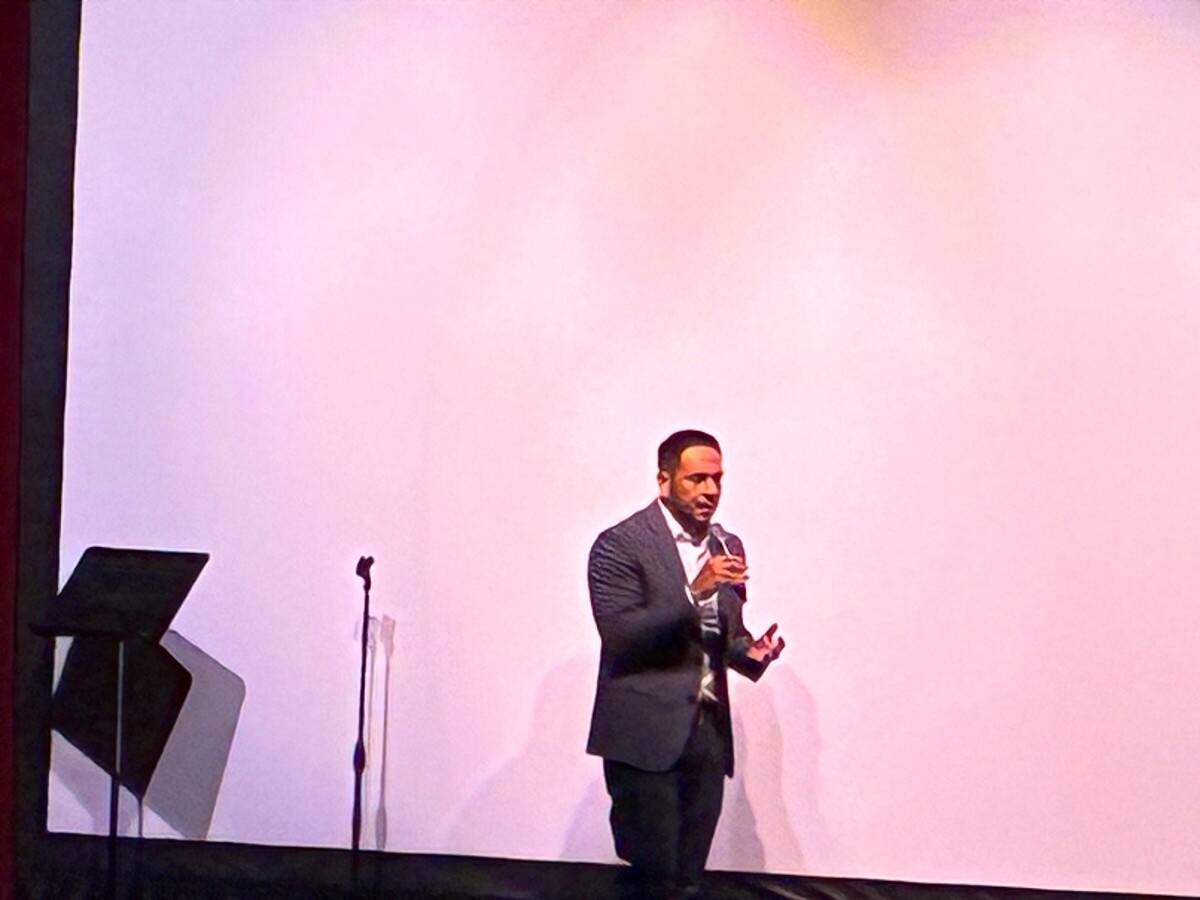



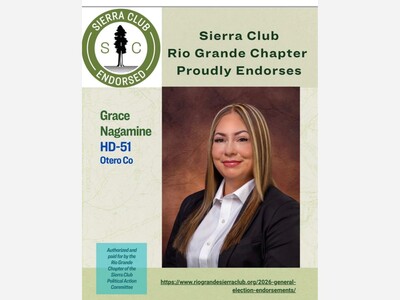
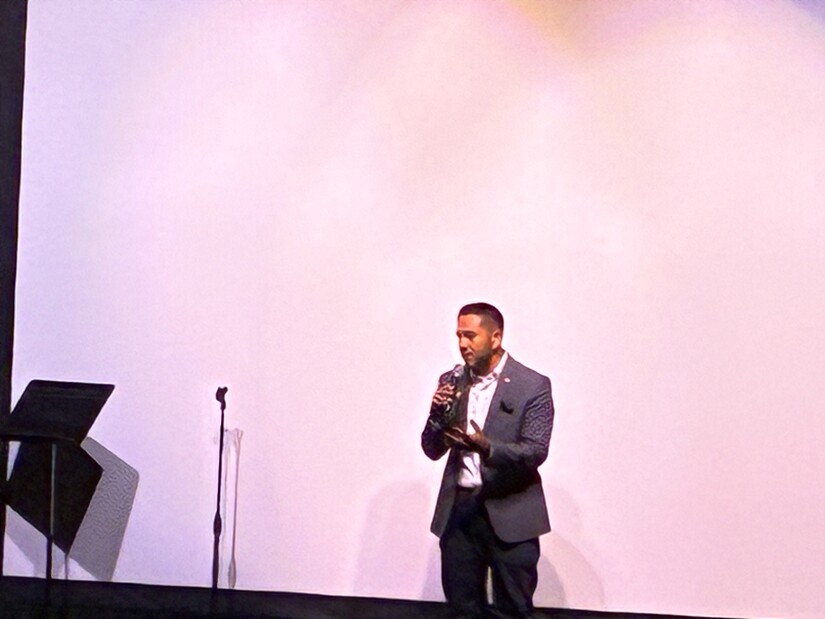
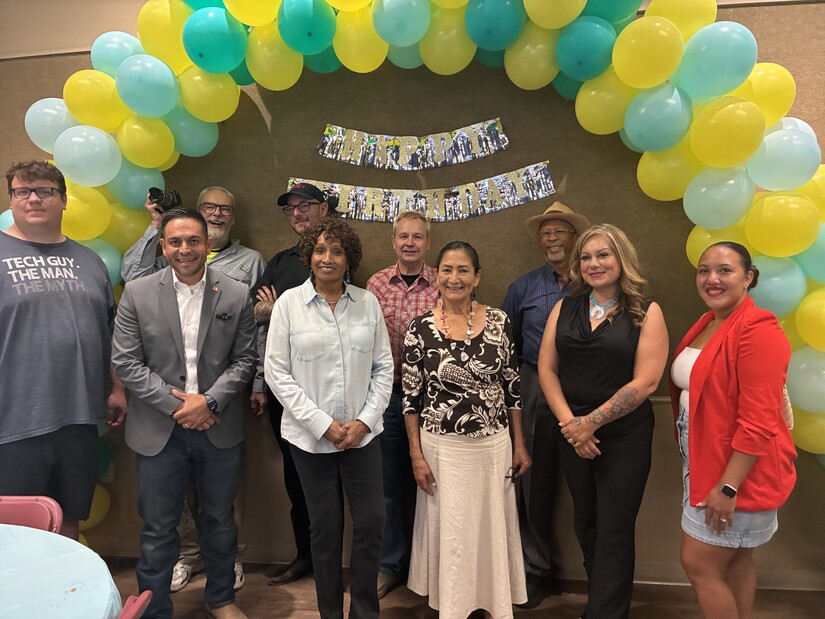
The Flickinger Center in Alamogordo filled with an intent, solemn energy on Wednesday evening as residents gathered to witness "First We Bombed New Mexico," Lois Lipman's unflinching documentary about the Trinity nuclear test and its devastating aftermath. But this was far more than a standard film screening. The presence of Congressman Gabe Vasquez and Deb Haaland—the former U.S. Interior Secretary and current Democratic gubernatorial nominee along with in the audience support from Mayor Sharon McDonald, City Commissioner Warren Robinson, candidate for District 51 State Representative Candidate Grace Nagamine and County Commissioner Candidate Evan Lambert Ross—transformed the event into a symbolic moment of political acknowledgment for a community that has waited eight decades for justice.
The timing could not be more significant. Just over a year ago, in July 2025, Congress finally expanded the Radiation Exposure Compensation Act (RECA) to include New Mexico's long-excluded Downwinders. For decades, while uranium miners and those affected by Nevada's nuclear tests received federal compensation, the residents of the Tularosa Basin and surrounding counties—mostly Hispanic and Native American families—were left out of the narrative entirely. They were the forgotten casualties of the Trinity test, the world's first nuclear detonation, which occurred on July 16, 1945, roughly 40 miles west of White Sands Missile Range.
The Documentary's Power
Lipman's documentary, originally premiered in 2023 but re-edited following the RECA expansion, traces the personal and collective journey of the Downwinders. At its emotional center is Tina Cordova, a Latina cancer survivor whose tireless activism became the driving force behind decades-long efforts to bring recognition and compensation to her community. Through her determined quest, the film unravels a troubling historical narrative: communities that were never warned of radioactive danger, who drank contaminated water and milk, who consumed produce and livestock exposed to lethal fallout, and who raised generations of children in the shadow of an invisible death.
The film does not shy away from the broader context of nuclear injustice in the Southwest. It examines not only the Trinity Downwinders but also Native American and Hispanic uranium miners whose sacred lands were scarred by government mining operations. Together, these stories reveal a deliberate pattern of environmental racism—the targeting of vulnerable communities in service of national security and nuclear ambitions, with little regard for the human cost.
Political Leadership Takes a Stand
What distinguished Wednesday's screening was the unmistakable show of political support. Congressman Vasquez, who represents the congressional district encompassing Otero County and the most affected communities, took the stage to affirm his commitment to environmental justice and the health and economic recovery of those harmed by nuclear testing. His presence signaled that the Downwinders' cause has moved from the margins of advocacy to the center of political priorities
But the most potent symbol of validation came from Deb Haaland. As the first Native American to serve as U.S. Interior Secretary—a position with direct historical ties to nuclear testing and indigenous lands—Haaland brought moral authority to the moment. Her appearance at the screening was not merely ceremonial. It represented a federal leadership that understands the intersection of nuclear history, indigenous sovereignty, and environmental justice in a way few others can. Her words of support for the documentary and for the Downwinders' ongoing struggle to secure full recognition and care carried the weight of someone who knows this fight from the inside.
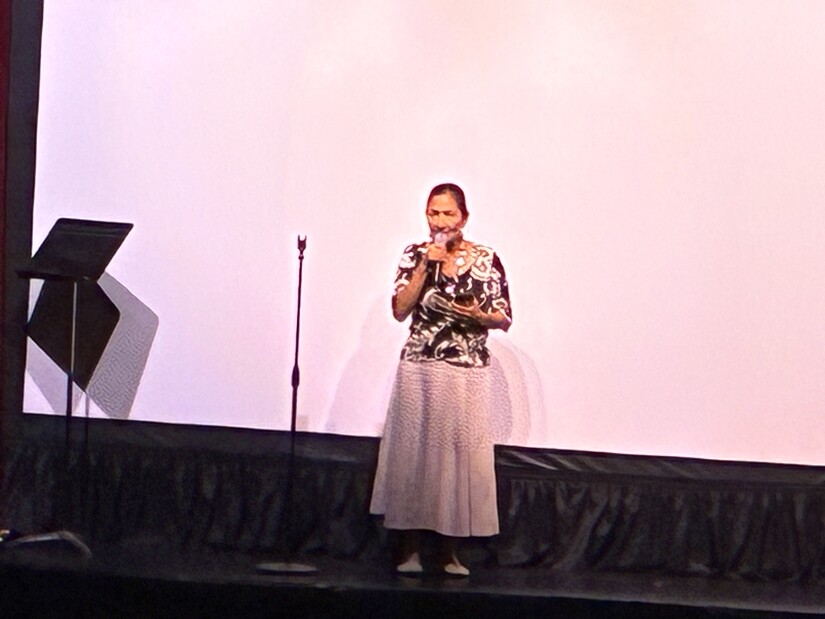
The Q&A session that followed the screening became a direct conversation between community members and two elected officials who pledged to listen and act. This is precisely what the Downwinders have long demanded: not pity, not historical footnotes, but acknowledgment, accountability, and sustained political commitment.
A Victory Marked by Incompleteness
The RECA expansion of July 2025 was a watershed moment—but it remains a partial victory. Compensation and official recognition, while essential, cannot undo generations of illness, cancer, and premature death. Lipman's documentary serves as both a historical record and an ongoing indictment. By bringing it to the Flickinger Center, with full political backing, the community demonstrated that their story is no longer marginal. It is central to New Mexico's identity and to the nation's reckoning with its nuclear past.
The screening was a reminder that documentary filmmaking, when combined with grassroots activism and political will, can transform how communities see themselves and are seen by the world. Haaland and Vasquez's presence on Wednesday was not gratuitous—it was a statement that the Downwinders' struggle for justice has moved from the margins to the mainstream of New Mexico politics.
Essential Viewing
"First We Bombed New Mexico" is essential viewing for anyone seeking to understand the true cost of America's nuclear age. More than that, Wednesday's screening proved that when a community speaks truth, and when leaders listen, real change becomes possible. The Downwinders' long fight for recognition is far from over, but with documentary filmmaking of this caliber and political support now evident, their voices can no longer be silenced.

What we know as fact is when a the state & county lets the government plan everyone’s lives, you don’t get the smart, decent folks in charge—you get the absolute worst people at the top like Gabe "anchor baby" Vasquez. Why? Because to make that plan work you need the most people who all think exactly the same dumb way. Smart people all have different opinions and won’t line up like that. So the DNC recruits the suckers who’ll swallow any simple slogan if you yell it loud enough. And the easiest way to glue them together? Get them hating some enemy or jealous of anybody doing better. Plus, to climb the ladder you gotta be willing to do nasty stuff with no conscience, ‘cause “for the greater good” means anything goes. Nice people won’t touch that, so the ruthless jerks win every time. Now they want to pay the Downwinders so they lock in that vote.

Sunny, with a high of 81 and low of 67 degrees. Sunny in the morning, clear in the afternoon and evening, overcast overnight.


glad there is fine weather for these events, and pleased to see this feather in ruidoso's cap.