
 61° and Clear



Image
Thoughts from Dr Stephanie Hernandez former acting city manager city of Alamogordo:
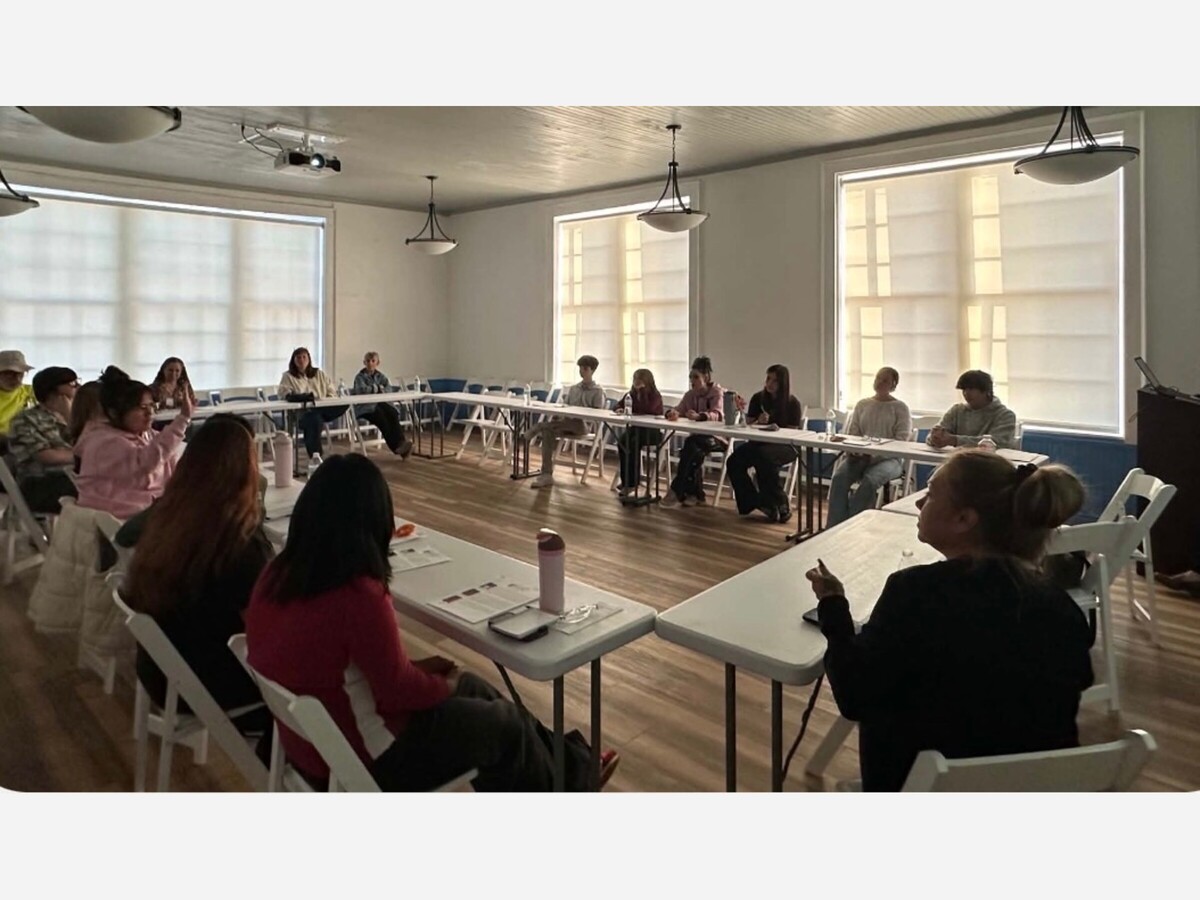
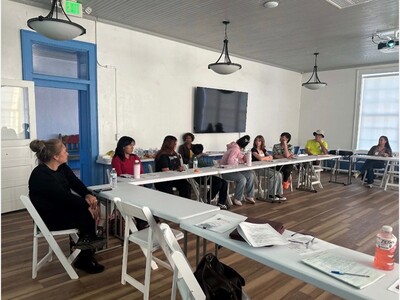
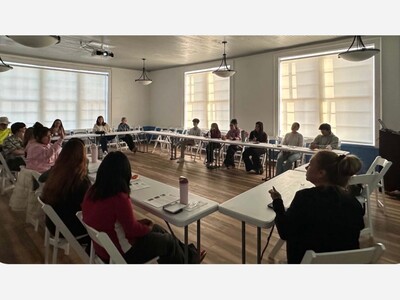
I walked away from the first meeting of the Mayor's Youth Advisory Commission (MYAC) with a full heart and a renewed sense of optimism about Alamogordo's future.
Although this was an informal meeting intended to establish rules, expectations, and structure, it quickly became something much more meaningful. I had the privilege of watching some incredibly intelligent young minds come together, not to complain about their community, but to figure out how they could make it better.
We started by asking a simple question: What do you hope to gain from participating in MYAC?
Their answers included learning leadership skills, becoming better public speakers, understanding how city government operates, learning how governing bodies make decisions, and finding ways to make a difference.
Then we asked what concerned them about our community.
Two themes immediately emerged: safety and having things to do after school.
As the conversation developed, their concerns became much more specific. They talked about safety for young drivers who are still learning to navigate our streets. They expressed concerns about substance abuse in schools, including what they are seeing and hearing at the middle school level, and the need for serious consequences for individuals who provide these substances to children.
They also talked about something that I found particularly meaningful: the need for safe places where young people can gather, complete homework, socialize, and simply spend time with their peers.
They recognized that not every child goes home to the same environment. Not everyone has a safe, quiet place to study or somewhere they feel comfortable spending time after school.
And they weren't simply asking for another place to hang out. They were already thinking about the obstacles. How would something like that be funded? How do we make existing spaces safer? How do we turn ideas into something realistic?
These are the kinds of questions we should want our young people asking.
What impressed me most was that not one of these students approached the conversation from a selfish perspective. They weren't just asking what the city could do for them personally. They were advocating for their classmates, their peers, younger students, and even people they may never meet.
They came out of the gate thinking about the greater good of Alamogordo.
And that brings me to something I believe is important for everyone to understand about MYAC.
This commission is not about adults telling kids what to do, what to think, or even what issues they should discuss.
It is about giving our young people the opportunity to tell adults what matters to them.
Our role as mentors is to help them understand the processes, provide them with tools, and support them as they develop their ideas. It is not our job to dictate their priorities or steer their conversations toward what we think is important.
With 16 student participants and nine mentors, I believe we have an incredible opportunity to build something meaningful.
But one of the final questions of the meeting is what has stayed with me.
A student asked:
"But how do we get people to listen to us?
That question simultaneously made my heart ache and jump for joy.
It hurt because it reminded me that some of our young people don't feel their voices are being heard. They have concerns. They have ideas. They want to participate. But they are unsure whether the adults making decisions will take them seriously.
And yet, that same question gave me tremendous hope.
Because here was a young person who wasn't asking whether their opinion mattered. They were asking how to make sure it was heard.
That is where leadership begins.
We often talk about our youth as the future of Alamogordo. And they certainly are. But sometimes, in focusing so much on who they will become, we overlook who they already are.
They are our citizens today. They live in our neighborhoods, attend our schools, travel our streets, and experience the consequences of decisions made by adults every single day.
Their voices deserve a place in those conversations.
I am honored to be part of this effort and to work alongside the mentors and students who have committed their time to MYAC.
Our young people have already demonstrated that they are intelligent, thoughtful, compassionate, and willing to tackle difficult issues.
Now comes the responsibility of making sure their ideas aren't simply acknowledged and forgotten.
The question is no longer whether our young people have something meaningful to contribute to Alamogordo. They clearly do.
The question is whether we, as adults, are willing to listen.
After this first meeting, I can say one thing with confidence: Alamogordo's future looks a little brighter to me.

Sunny, with a high of 79 and low of 59 degrees. Patchy rain nearby for the morning, clear in the afternoon and evening,

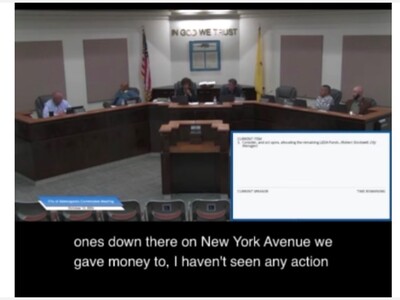

I follow theatres across the county, and know, this report is very sparse with details. Impossilbe to spend a million dollars on removing a fly loft, rigging and weights. New roof . . other upgrades, no where near a million bucks. The defamation should be on the managers who awarded inexperienced developers.

2nd Life Media is not an owner. We sold our share and that owner sold it to the present owner. Might want to check your facts. Also LEDA requires receipts and documentation. We had an estimated when we were an owner of aproximately $3 million needed to make it operational. Check your facts.
It will take well over a million dollars to make the theater usable to the public. We have not yet spent a million dollars, but we are far from complete. Our projected open date is Summer/Fall 2027.
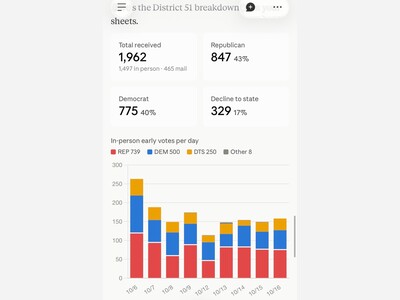


another useful example of a politician who is financed almost completely by special interests rather than the folks he's supposed to be representing. he represents the interests of those who pay his way...and only appeals to his voters when it comes time for re-election.