
 61° and Clear
Image
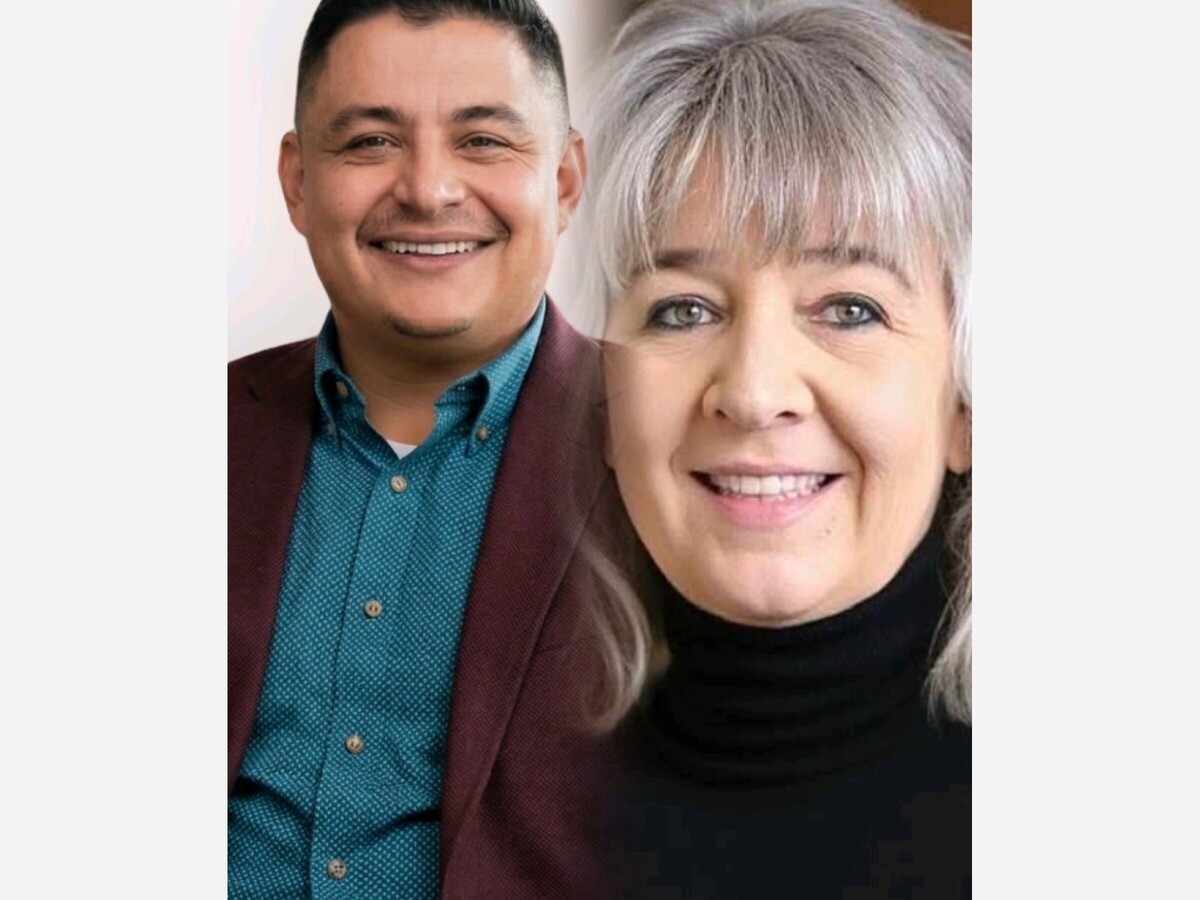



RIO RANCHO — Zac Anaya, a Rio Rancho Republican who ran for the Legislature this year and briefly sought the state party chairmanship, announced Monday evening that he has left the Republican Party and will register as an independent.
The announcement lands 15 days before the Nov. 3 general election. It also lands as the Republican Party of New Mexico heads into a post-election leadership vote with no permanent chair, after a year of lawsuits, failed meetings and an open split between its northern and southern wings.
Anaya, 33, made the announcement in a social media post after nearly three weeks without posting videos. "I've given up on the Republican Party of New Mexico," he wrote. "And frankly, I've given up on our statewide government."
Anaya argued that the state GOP has spent years failing to build competitive campaigns, raise money or hold its own leaders accountable. He said the party preaches faith, family and integrity while letting personal grudges, hypocrisy and favoritism consume it.
He did not spare Democrats, blaming decades of one-party rule for the state's struggles with education, poverty, crime and addiction. He also faulted national Republicans for adding trillions to the debt.
Anaya said the fighting had taken a personal toll. He wrote that his wife, two children and faith deserve more of his time than another political argument.
"I am no longer a Republican. I am not a Democrat," he wrote. He said he will stay independent "until one of the parties in New Mexico can figure it out," and urged followers to do the same.
Anaya lost a June primary challenge to state Rep. Joshua Hernandez in House District 60.
Anaya's sharpest line pointed at the governor's race. He wrote that one of the most qualified Republicans to run for governor in a generation is struggling to raise money and compete. He did not name him, but the reference is to Gregg Hull, the GOP nominee and former longtime mayor of Anaya's hometown, Rio Rancho.
The fundraising gap is real. With fewer than three weeks to go, Democrat Deb Haaland was still well ahead in money, according to campaign reports filed Oct. 13. Hull took in about $634,000 from roughly 1,400 donations in the latest period and has raised about $1.5 million for the general election. He spent nearly all of the period's haul.
Hull's campaign says the numbers reflect a focus on in-state donors. Filings show 99% of his donors are New Mexicans. Hull has also cited donor fatigue after the June primary.
In June, Hull said he had no preference in the party's chair fight.
Anaya's exit is the latest fallout from the fight over Amy Barela, the Otero County commissioner who won the party chair in December 2024 with 157 votes to 58 for John Brenna.
The trouble began when Barela filed in March 2026 for reelection to her county commission seat, which drew a primary challenge from Republican Jonathan Emery. Critics said party rules barred a chair from staying in the post while running in a contested primary.
The dispute escalated through the spring. On April 18, Barela's opponents gathered in Belen to replace her. They drew 252 members, short of the 362 needed for a quorum, and passed a nonbinding resolution declaring she had vacated the post. Barela maintained she was still chair.
On April 30, Emery, gubernatorial candidate Duke Rodriguez and lieutenant governor candidate Aubrey Blair Dunn sued. They said Barela and other party officials broke party rules and tilted the primary in favor of preferred candidates.
On May 27, District Judge Cindy Mercer ordered Barela to step down as chair. The ruling also barred top party officials from publicly backing candidates in contested primaries. Days later, on June 2, Emery narrowly defeated Barela in the Otero County Commission primary.
The New Mexico Supreme Court unanimously denied the party's appeal on June 10. Barela announced soon afterward that she would run for chair again.
On June 20, the party convened in Las Cruces to pick a new chair. Only 163 members attended, most from southern counties, and the vote failed for lack of a quorum after many northern Republicans stayed away. Northern Republicans then called a second meeting in Belen for June 27.
The party called Mercer's ruling a violation of free speech. Barela's critics called her a rule breaker. Rodriguez said a small group had long treated the party like a private club.
Anaya entered the chair race in June as one of four challengers to Barela, along with attorney Robert Aragon, Brenna and KKOB radio host Brandon Vogt.
He framed it as a fight between regions. He told Source NM that a Barela win would show that southern New Mexico had bullied its way into the chairmanship. He soon dropped out, reportedly to avoid splitting the anti-Barela vote in the north.
The party enters the election under an interim leader. First Vice Chair Mike Nelson has run the party since Barela's removal and was still issuing statements as interim chair as of Oct. 10. A further chair vote was rescheduled for late July in Albuquerque after the quorum failures, though no result has been reported.
A permanent chair is set to be chosen after the general election. Earlier reporting placed that State Central Committee vote in December, for a full two-year term, with the new chair serving into 2027.
No public forecasts of that race have been published, but several factors are likely to shape it.
Turnout may matter most. Both summer votes collapsed when one faction stayed home, so whichever side can bring a quorum into the room is likely to pick the chair.
The field opposing Barela has also narrowed. Brenna and Vogt were the remaining challengers after Anaya and others stepped aside to consolidate support.
Barela retains a reliable southern base and will leave the county commission in December, freeing her to focus on the party. But she lost her own primary and was ruled against by two courts.
The Nov. 3 results could tip the balance. A poor Republican showing is likely to sharpen calls for new leadership, though Barela has argued since February that the party's problems are structural.
Anaya's departure does not by itself show the Barela wing gaining ground. He was one of her critics, and his post names no leader or faction. His exit removes a voice from the anti-Barela side, not a vote for her.
The split surfaced again Monday, the same day as Anaya's announcement, when President Trump revived his call to rename the state. In a Truth Social post, Trump said New Mexico should immediately change its name to "New America" and claimed the change would add value and prestige. He first floated the idea in September, posting a map with "Mexico" crossed out.
Hull, the party's nominee for governor, rejected the idea Monday night. In a post on X, he said he stands by his earlier position that New Mexico does not need a new name and that the state's identity is "never up for negotiation." He said voters are focused on jobs, taxes and rising costs.
Barela took a different tone. She shared Fox News's post on Trump's proposal on social media with the comment, "Let's make more heads spin!
The contrast put the former chair on the opposite side of the issue from the party's own nominee for governor two weeks before the election. Hull is attempting to unite the state and understands he needs the vote of independents and moderate Democrats.
Barela thrives on division and extremism not wanting to bridge across party lines for a win.
Democrats seized on the proposal. Gov. Michelle Lujan Grisham called it a tired bit meant to distract from policy failures, and U.S. Sen. Ben Ray Luján said the name dates back centuries and will outlast Trump's time in office. A president has no legal power to rename a state.
Voters go to the polls Nov. 3, with every statewide office on the ballot. The State Central Committee then meets to elect a permanent chair.
Months after a court removed her, Barela's influence still shapes the party. The fight over her chairmanship split Republicans along regional lines, stalled two leadership votes and left the party without a permanent leader through the campaign season.
Anaya's departure is one more sign of that fallout and yet another Barela casualty.
The clearest measure of whether the party's leadership has been effective will come at the polls on Nov. 3. With an open governor's seat, Republicans have a chance to compete against a Democratic nominee they see as vulnerable, even as Haaland holds a wide fundraising lead.
That outcome may decide the chair race as much as anything said in Belen or Las Cruces. A strong night for Hull would strengthen the case that the party can win despite its divisions.
A loss would hand the next fight for the chairmanship to whoever can best argue that the party needs to change. Stay tuned we will be there.

Sunny, with a high of 79 and low of 59 degrees. Patchy rain nearby for the morning, clear in the afternoon and evening,


I follow theatres across the county, and know, this report is very sparse with details. Impossilbe to spend a million dollars on removing a fly loft, rigging and weights. New roof . . other upgrades, no where near a million bucks. The defamation should be on the managers who awarded inexperienced developers.
2nd Life Media is not an owner. We sold our share and that owner sold it to the present owner. Might want to check your facts. Also LEDA requires receipts and documentation. We had an estimated when we were an owner of aproximately $3 million needed to make it operational. Check your facts.
It will take well over a million dollars to make the theater usable to the public. We have not yet spent a million dollars, but we are far from complete. Our projected open date is Summer/Fall 2027.

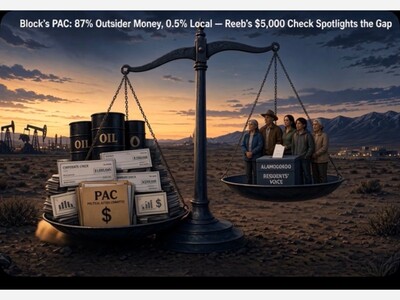
another useful example of a politician who is financed almost completely by special interests rather than the folks he's supposed to be representing. he represents the interests of those who pay his way...and only appeals to his voters when it comes time for re-election.