
 69° and Light drizzle



Image
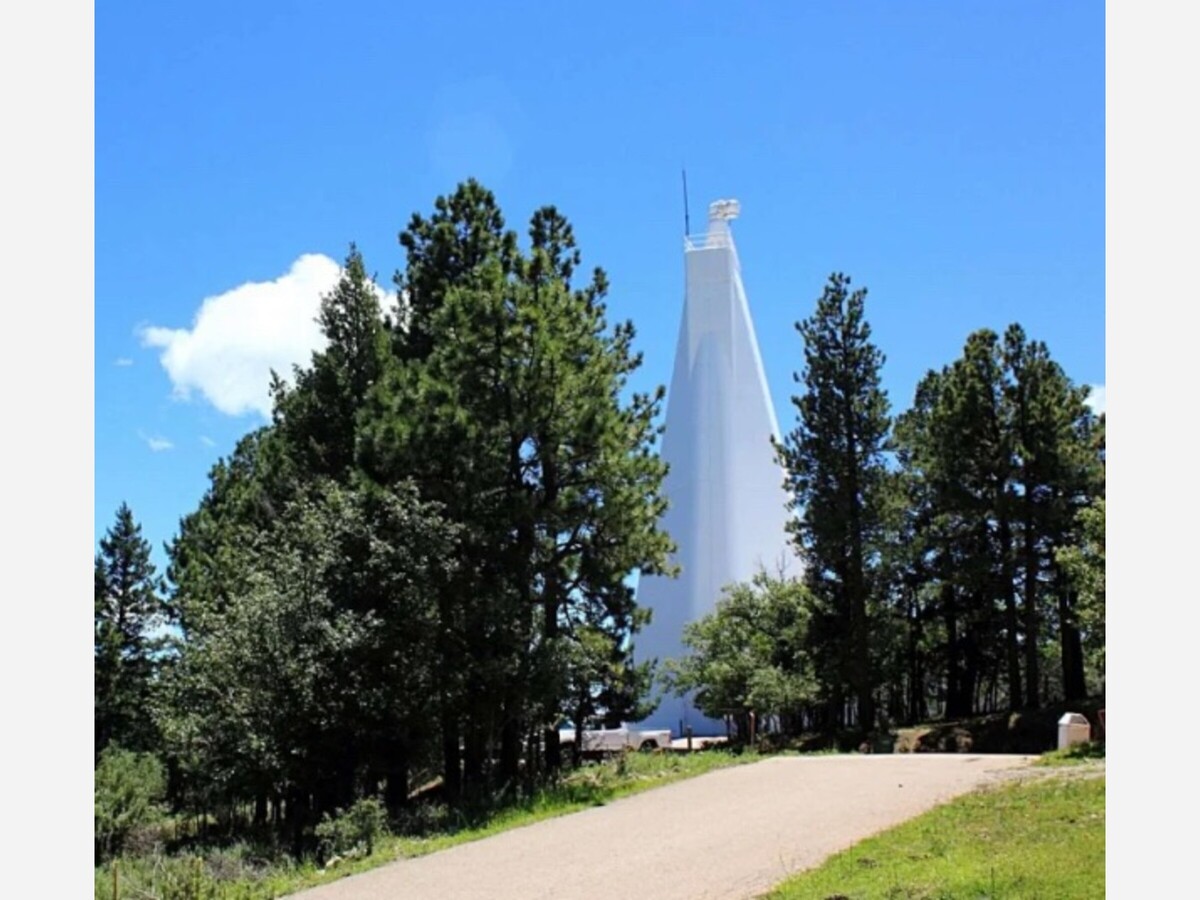
Only 1 percent of the mercury in the Dunn Solar Telescope leaked on Jan. 5, none of it outside the building to endanger the forest or nearby communities.
These and other details come from a National Science Foundation notice of a sole-source Federal contract awarded to a New York-based company, Thornton Tomasetti, for mercury removal and remediation services. With a motto of “When others say No, we say ‘Here’s How’,” it specializes in difficult engineering projects. Thornton Tomasetti was selected because of their forensic investigation into the 2021 collapse of the 1,000-foot-wide Arecibo Radio Telescope in Puerto Rico and other work at heights and on large structures.
The one-year, $320,000 contract was awarded on March 20, but the Federal System for Acquisition Management (SAM) did not publish the notice until April 30. The contract itself is not published as it contains “Controlled Unclassified Information,” a measure used to protect information proprietary to a contractor.
The NSF notice was a “Justification and Approval” explaining why Thornton Tomasetti received the contract without the usualrequest for proposals. NSF justified it because of “The immediate need to assess and stabilize the structure and prevent a catastrophic mercury release … .”
The concept of mercury bearings dates from 1825 when Augustin Fresnel, a French scientist, proposed it as a way to provide smooth, rapid rotation of the flat, lightweight lenses he invented for lighthouses. The first such use was in 1892. Several large astronomy telescopes have used mercury bearings since then.
The Dunn rides on two mercury bearings at 30 and 70 feet above the observing floor to ensure smooth rotation of the 200-ton telescope. Another bearing, at the bottom of the telescope barrel, about 200 feet underground, stabilizes the base of the telescope but is not involved in the leak. The Dunn bearings hold about160 gallons — 18,000 pounds — of mercury.
According to the notice, a weld between a valve and the bottom of a bearing cracked. The exact cause remains unknown. Mercury corrodes many metals, but iron and steel are resistant, and the telescope is 57 years old.
A hazmat team removed and disposed about 186 lbs., equivalent to 1.6 gallons, of mercury by Jan. 15 and identified the source the next day. The leak stopped although the crack has not been sealed, and a container was placed under it, so NSF considers the situation to be active. NSF mentions mercury only reaching the main floor.
“[T]he concern is that the crack may widen suddenly,” NSF wrote, “or that additional undetected structural failures may occur, causing a catastrophic leak in which a portion or all the mercury in the bearing could be released in a very short time [~5 minutes] from a great height.”
Given various risks, NSF stated, all the mercury will be removedand render the Dunn inoperable in its original form.
--
The author is a veteran science writer and former education officer at Sunspot.

I follow theatres across the county, and know, this report is very sparse with details. Impossilbe to spend a million dollars on removing a fly loft, rigging and weights. New roof . . other upgrades, no where near a million bucks. The defamation should be on the managers who awarded inexperienced developers.

2nd Life Media is not an owner. We sold our share and that owner sold it to the present owner. Might want to check your facts. Also LEDA requires receipts and documentation. We had an estimated when we were an owner of aproximately $3 million needed to make it operational. Check your facts.
It will take well over a million dollars to make the theater usable to the public. We have not yet spent a million dollars, but we are far from complete. Our projected open date is Summer/Fall 2027.


Sunny, with a high of 73 and low of 55 degrees. Clear during the morning, patchy rain nearby in the afternoon, overcast in the evening, clear overnight.




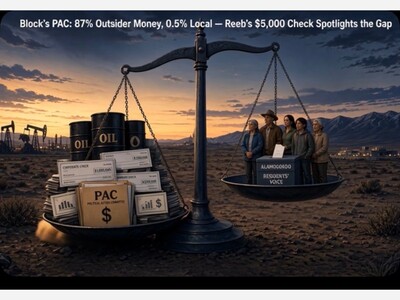
another useful example of a politician who is financed almost completely by special interests rather than the folks he's supposed to be representing. he represents the interests of those who pay his way...and only appeals to his voters when it comes time for re-election.


For those of the civilian public to understand. Every single Airman, marine, sailor and soldier whether Active duty or reserve or national guard has had explicit training on the UCMJ and illegal orders. This includes every “veteran for peace” It is political plain and simple.
regrettably, it might be necessary in the days of numerous respected/high ranking/decorated military leaders being fired/demoted/forced into early retirements when they fail to meet the specifications of glorious generalissimo hairgel - grapevine seems to indicate that dear leader is tiring of his various antics - e

Received that crime flyer in the mail today. Wow! Mudslinging V2.0 by the blockheads as usual.