
Image
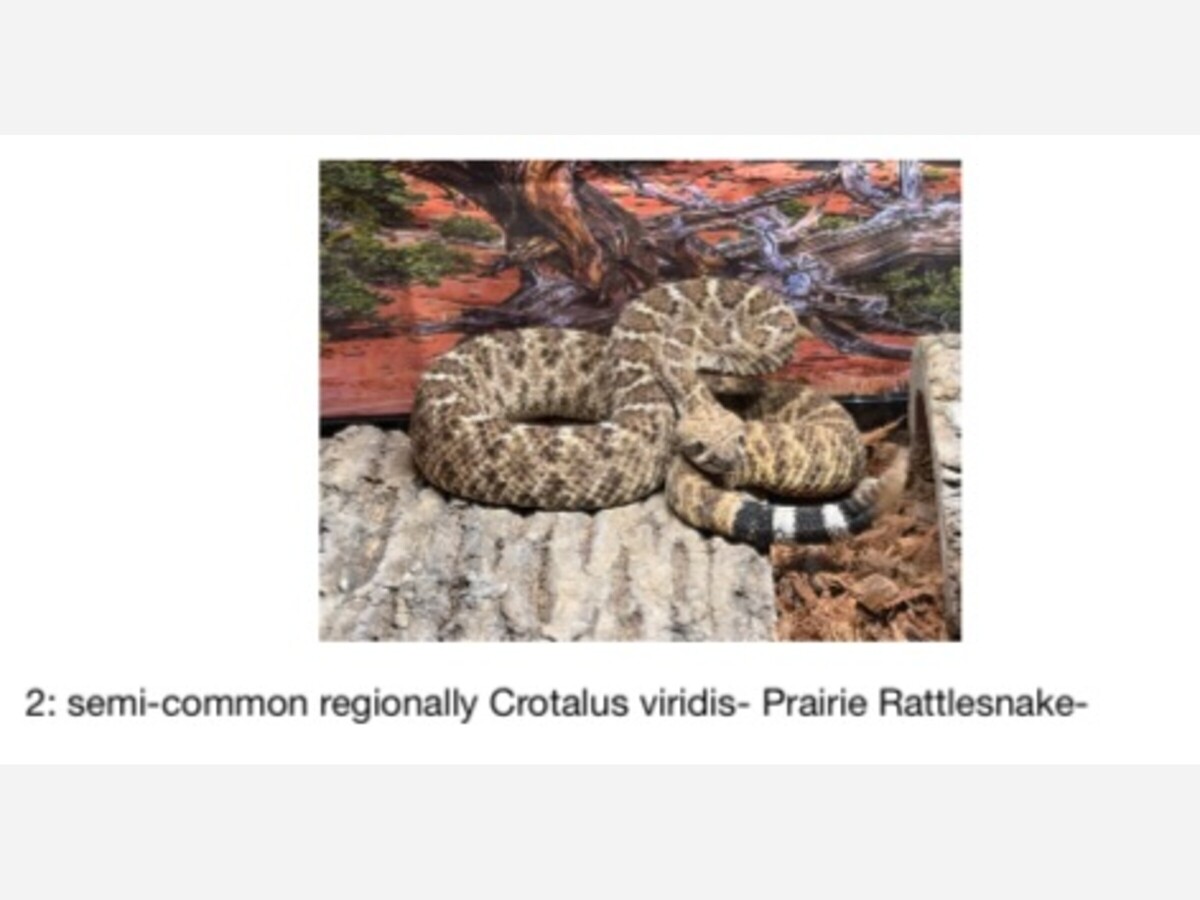



Alamogordo New Mexico - As temperatures rise across New Mexico, snake activity is increasing — and with it, the potential for encounters that can worry residents, especially newcomers to the desert.
In a recent KALH Radio interview, local snake safety and removal expert Anthony Lucero shares practical knowledge to help Otero County families, pet owners, and outdoor enthusiasts stay safe while respecting the important role snakes play in our ecosystem.
Snakes help control rodent populations, maintain balance in the food chain, and even aid in seed dispersal. With the right identification skills and preventative steps, most encounters can be managed calmly and safely for people, pets, and wildlife alike.
Key Topics Covered in the Interview:
• Know your local venomous species in the Otero County area:
1. Most common: Western Diamondback Rattlesnake (Crotalus atrox) — iconic with its banded black-and-white tail.
2. Semi-common regionally: Prairie Rattlesnake (Crotalus viridis).
3. Semi-common regionally: Black-tailed Rattlesnake (Crotalus molossus).
Many non-venomous snakes mimic rattlesnakes by flattening their heads, vibrating their tails, or striking defensively. When in doubt, keep your distance and contact a professional.
Why killing snakes doesn’t solve the problem:
Removing one snake simply opens territory for another. Long-term solutions focus on prevention — reducing rodent attractants, eliminating debris and hiding spots, avoiding feeding wildlife near homes, and considering snake-proof fencing.
Snake safety tips for people and pets:
• Never put hands or feet where you can’t see.
• Wear boots and long pants in brushy or rocky areas.
• Use a flashlight at night.
• Keep dogs on leash in high-risk zones and avoid letting them explore burrows or rock piles.
• Consider rattlesnake avoidance training for dogs (Lucero offers sessions through Otero K9 Snake Safety).
• Ethical responses: Watch from a safe distance and call a professional for humane relocation when needed. Snakes are defensive, not aggressive — most bites occur accidentally or during attempts to handle or kill them.
Fun facts from the discussion:
• Rattlesnakes are attentive mothers.
• They can track prey by following the scent of their own venom.
• They play a role in seed dispersal.
To hear the complete interview visit
https://youtu.be/bcOyy15Rrbk?si=KxdpsB0JgAgj-HZ5
For more on snake safety and bite management (including updated guidelines for humans and pets, plus information on the rattlesnake vaccine for dogs), visit:
https://www.nationalsnakebitesupport.org/
• Rattlesnake avoidance training scheduling: https://oterok9snakesafety.as.me/
Listen to the full KALH Radio interview with Anthony Lucero here:
https://youtu.be/bcOyy15Rrbk?si=KxdpsB0JgAgj-HZ5
Additional resources:
• Arizona Hikers Guide to Rattlesnake Safety (applicable tips for NM): https://rattlesnakesolutions.com/snakeblog/arizona-snakes/arizona-hikers-guide-to-rattlesnake-safety/
• Living with Snakes resources: https://www.snakes.ngo/ and https://www.livingwithsnakes.org/
Stay alert during peak activity hours (morning and evening), keep yards tidy, and remember: knowledge and respect are the best tools for safe coexistence in our beautiful high desert.
Interview conducted by KALH Radio / 2nd Life Media – Alamogordo Town News. Article prepared for KALHRadio.org heard via a podcast at https://youtu.be/bcOyy15Rrbk?si=KxdpsB0JgAgj-HZ5


Patchy rain nearby, with a high of 87 and low of 69 degrees. Patchy rain nearby during the morning,





this is a sad ending, but certainly not unexpected.
What's sad is your time-wasting ***** attitude. The International Space Station replaced these dinosaurs. Neighbor, you need to eat more protein and get some exercise to lose that fat-gut-brain.




Friends of ours talk and are suspicious of her. Why is she still single, without a husband and children? Seems like her highly credentialed attitude got her sideswiped for being too pushy. Now, from the Fox News playbook, she has a radio show. A book too, maybe?